Yes. In general, a foreign individual or foreign company can own 100% of a company in Turkey without a Turkish shareholder or local partner. The appropriate company structure and required documents depend on whether the shareholder is an individual or an existing foreign company, and additional requirements may apply to regulated activities. For the complete setup process, see our company registration in Turkey service.

Yes. Company incorporation can generally be coordinated remotely through properly executed documents and a Power of Attorney, without the shareholder or director travelling to Turkey for the registration process.

Workon coordinates the remote incorporation workflow and provides instructions regarding signatures, notarization, apostille or legalization and translation where required. Corporate banking is a separate process and may have different identification or physical-presence requirements. See our Power of Attorney guidance.

Yes. An existing foreign company can be a shareholder of a Turkish company. This structure requires additional corporate documentation compared with an individual foreign shareholder, including documents confirming the foreign company’s legal status, authorized representatives and authority to establish or own the Turkish entity.

Depending on the country and document type, apostille, consular legalization, sworn translation or Turkish notarization may be required. Workon reviews the ownership structure and provides a case-specific document workflow.

Yes. A foreign-owned company can be established in cities outside Istanbul. Workon can coordinate company formation in selected cities and, where available, arrange the required registered business address or virtual office through partner offices.

Workon’s own offices are located in Ataşehir and Ümraniye, Istanbul. Locations outside Istanbul are coordinated separately through partners, and availability, timing, local procedures and costs may vary by city and business activity.

The total cost depends on the shareholder structure, document requirements, official fees and the services included in the setup. Workon provides a case-specific written quotation showing which services are included and which expenses are official, third-party or continuing costs.

Share capital is separate from the company-formation fee and remains the company’s own money. Where tax, compliance or another regulated area requires an independent licensed professional, those professional fees are also treated separately.

A standard Workon-coordinated incorporation process is usually completed in approximately 5 business days once the required documents are ready and accepted. The actual timing can vary according to documents, appointments, legalization requirements and authority processing.

Corporate bank approval, account opening and activation are not included in the approximately 5-business-day incorporation timeline. Banking follows the bank’s own KYC and approval process.

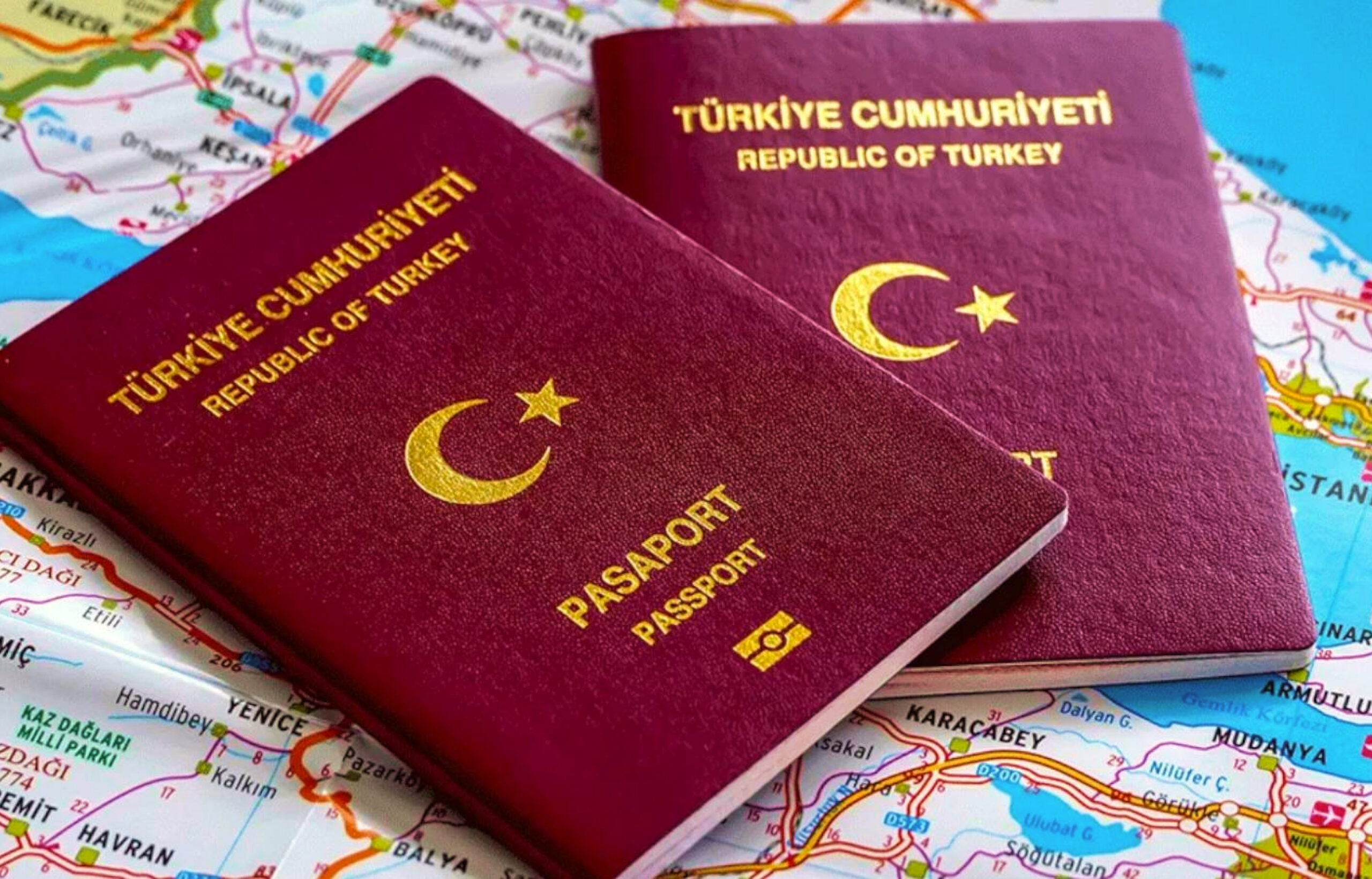
The required documents depend mainly on whether the shareholder is a foreign individual or a foreign company. An individual shareholder generally starts with passport documentation, while remote establishment also requires an appropriately executed Power of Attorney.

A foreign corporate shareholder requires additional company documents confirming legal status, ownership, authorized signatories and corporate authority. Workon reviews each structure before the process begins and provides the relevant document checklist.

Foreign documents used in Turkish corporate procedures may require apostille or consular legalization depending on the issuing country, document and applicable international arrangements. Documents may also require certified Turkish translation and notarization before they can be used in Turkey.

Requirements should therefore be checked document by document rather than assumed to be identical for every country. See our guides on apostille requirements and sworn translation in Turkey.

Yes. A virtual office can generally be used as the registered business address of a company when it is suitable for the company’s activity and applicable requirements. This allows many businesses to maintain a legal company address without renting a permanent private office.

Businesses requiring production, storage, activity-specific premises or licensing conditions may need a different type of location. See our virtual office in Turkey service.

Workon’s own Istanbul locations are in Ataşehir and Ümraniye. These locations provide registered business address and workspace solutions for eligible businesses.

For companies being established in selected cities outside Istanbul, Workon can also coordinate registered address or virtual office arrangements through partner offices, subject to availability and the requirements of the company’s activity. See our Istanbul locations.

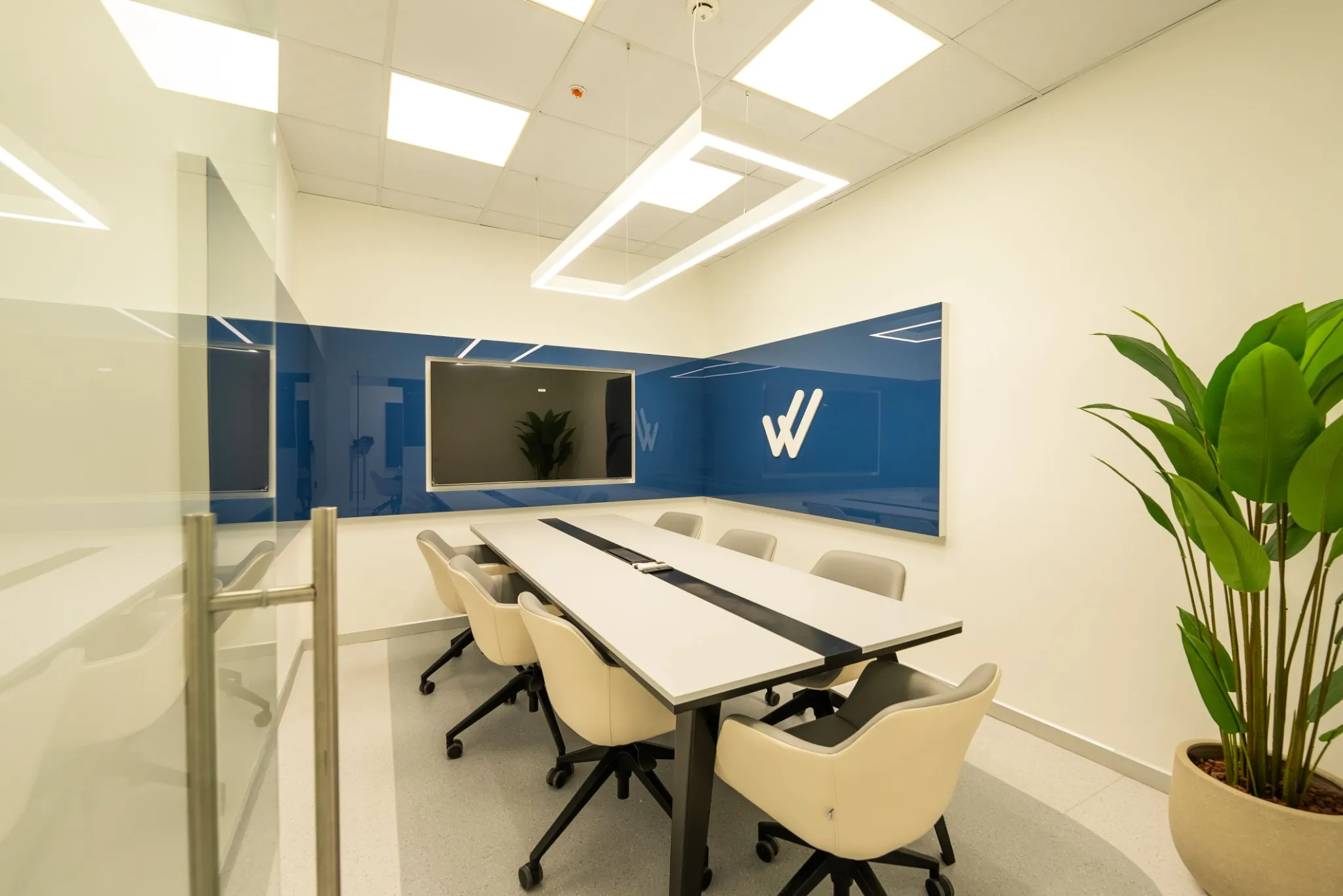
Workon offers private serviced offices, coworking and shared workspaces, meeting rooms, virtual office and registered business address solutions in Istanbul. Businesses can select a workspace model according to team size, meeting requirements, address needs and availability at the selected Ataşehir or Ümraniye location.

Yes. Workon supports corporate bank account applications for foreign-owned companies in Turkey. Workon can coordinate the application, help prepare the required KYC documentation and follow up with the bank through the onboarding process.

Bank approval is never guaranteed by company registration or by Workon. The bank independently controls KYC, approval, account-opening and activation requirements. See our business bank account application in Turkey service.

Standard corporate banking procedures may require the company director to be physically present for identification or account activation. These requirements depend on the bank and the individual case.

For eligible cases, Workon may be able to coordinate a special fully remote banking process through a bank it works with, including document preparation and international signature logistics. Availability and approval remain entirely subject to the bank’s requirements.

A Turkish bank may request detailed information about the company, shareholders, ultimate beneficial owners and intended business activity as part of its KYC review. Depending on the case, this may include an ownership chart, business plan, expected transaction volumes, countries of business and information about the source of funds.

For a company owned by a foreign parent, the bank may also request parent-company documents or financial information. The precise documentation is determined by the bank and may vary between applications.

No. Bank approval, account opening, account activation and online or mobile banking access can be separate stages. A corporate account may therefore exist before all e-banking permissions, users, cards or transaction authorities are fully activated. The bank controls the timing and requirements for each stage.

Trade Registry registration legally establishes the company, but additional steps may still be required before the business is fully operational. These can include tax-office commencement procedures, registered-address procedures, corporate banking and required digital company tools.

Depending on the business, further steps may include KEP, e-signature, invoicing setup, employee and social-security registrations, licences, permits or sector-specific registrations. Workon coordinates relevant administrative and operational steps within the agreed scope.

Company registration can be followed by tax-office commencement, registration and other tax-related compliance steps depending on the company and its activities. The exact requirements and timing can vary according to the business model and current rules.

Workon can coordinate relevant administrative steps, while tax or other regulated professional work is carried out independently by the appropriate licensed professional where required. Workon should not be understood as providing accounting or tax-advisory services itself.

Not necessarily. Legal incorporation and full operational readiness are different milestones. Depending on the business, the company may still need tax-office procedures, digital invoicing or company tools, banking activation, licences, permits or employment-related registrations before particular activities can begin.

For this reason, Workon treats company setup as a process of registration followed by operational activation, rather than assuming that every company is fully ready to operate immediately after the Trade Registry stage.

No. Owning or establishing a company in Turkey does not automatically grant the shareholder or director permission to work or reside in Turkey. Work and residence status are governed by separate immigration and employment rules and require their own eligibility assessment and application processes.

A foreign shareholder, company owner or director may be eligible to apply for a Turkish work permit, depending on the company, role, sector and current official criteria. Company ownership alone does not guarantee eligibility.

Workon can coordinate the application and document workflow, while eligibility and approval are determined by the relevant public authority under the rules applicable at the time of application. For detailed requirements, see our work permit in Turkey guidance.

Establishing or owning a Turkish company does not automatically grant residence rights to the founder’s spouse or children. Possible residence options depend on each person’s circumstances, immigration status and the rules applicable at the time of application. Any work or residence application must therefore be assessed separately.

Yes. Workon’s services are not limited to newly established companies. Existing foreign-owned and international companies can use Workon for registered-address and workspace needs, corporate bank application support and selected administrative or operational coordination.

Workon can also coordinate share transfers, manager or director changes, registered-address changes, amendments to business activities, selected registrations and company closure or transfer processes, depending on the case and applicable professional or authority requirements.

Yes. Workon can coordinate selected digital and corporate-registration tools such as KEP, e-signature and DUNS applications according to the company’s requirements. These tools may be required or useful for different government, banking, contracting, incentive or corporate procedures.

The relevant provider or authority controls issuance, eligibility and technical requirements. For KEP and e-signature details, see our KEP and e-signature in Turkey guide.

Workon can coordinate a range of additional business needs for foreign founders and international companies operating in Turkey. Depending on the case, these may include recruitment, work and residence permit processes, selected government-incentive and exporter-readiness procedures, customs and import-export coordination, corporate changes, digital registrations and other market-entry requirements.

Services requiring a licensed or authorized professional are carried out by the appropriate independent professional, and approvals remain with the relevant bank, provider or public authority. For an overview of available support, see our business services in Turkey.

Contact Us

If you have any questions, you can contact us.

or

Let's Connect

Fill out the form below to get information about the services we offer and we will call you back.