Limited Company Documents Turkey: Essential Guide for Business Formation
29.09.2025
If you’re wondering about the essential documents required to establish a limited company in Turkey, you’re in the right place. At its core, the process hinges on a few key items: the company’s notarised Articles of Association, a bank receipt for the Competition Authority fee, and the official signature declarations for all company managers.
Think of this section as your definitive checklist. We’ll walk through every piece of paper you’ll need, from the moment you log into the MERSIS system to when you submit your final bundle to the Trade Registry.
Getting your paperwork in order is, without a doubt, the most important step in establishing your limited company in Turkey. Every single document has a specific legal function, and even a small omission can bring the whole process to a grinding halt.
This guide provides a clear, easy-to-follow overview of each required document, what it’s for, and where you get it. Following a checklist like this is the best way to make sure you’ve covered all your bases. For a wider view on the legal side of things, it’s also worth reading about the 7 essential legal documents for startups, which offers some great context beyond the initial company formation.
To give you a realistic idea of the timeline you’re looking at, here’s a quick breakdown of the average processing times for the main stages.
Key document processing durations for notary, trade registry, and tax registration
As you can see, the Trade Registry submission is often the longest part of the journey. That’s why getting your documents right the first time is so crucial—it helps you avoid unnecessary delays and revisions.
Essential Formation Documents at a Glance
To simplify things, here’s a quick-reference table that summarises the key documents you’ll need to gather. It outlines exactly what each one is for and who issues it.
Essential Formation Documents at a Glance
Document Name (Evrak Adı)
Core Purpose
Source / Issuing Authority
MERSIS Application Number
Initiates the online registration process
Central Registry Record System (MERSIS)
Notarised Articles of Association
Defines the company’s legal structure and rules
Public Notary
Signature Declarations
Authorises managers to sign on behalf of the company
Public Notary
Bank Receipt (Competition Authority Fee)
Proves payment of the mandatory competition fee
Bank
Chamber of Commerce Registration Form
Registers the company with the local commerce chamber
Chamber of Commerce
This table acts as a great starting point, giving you a bird’s-eye view of the entire documentation process before we dive into the specifics of each item.
Diving Into Your Core Company Formation Documents
Once you have your checklist ready, it’s time to really get to grips with the legal substance of the most critical items on it. These documents aren’t just bureaucratic hurdles; they form the legal backbone of your new company. They define its structure, its purpose, and how it will be governed, so understanding them inside and out is key to a smooth registration.
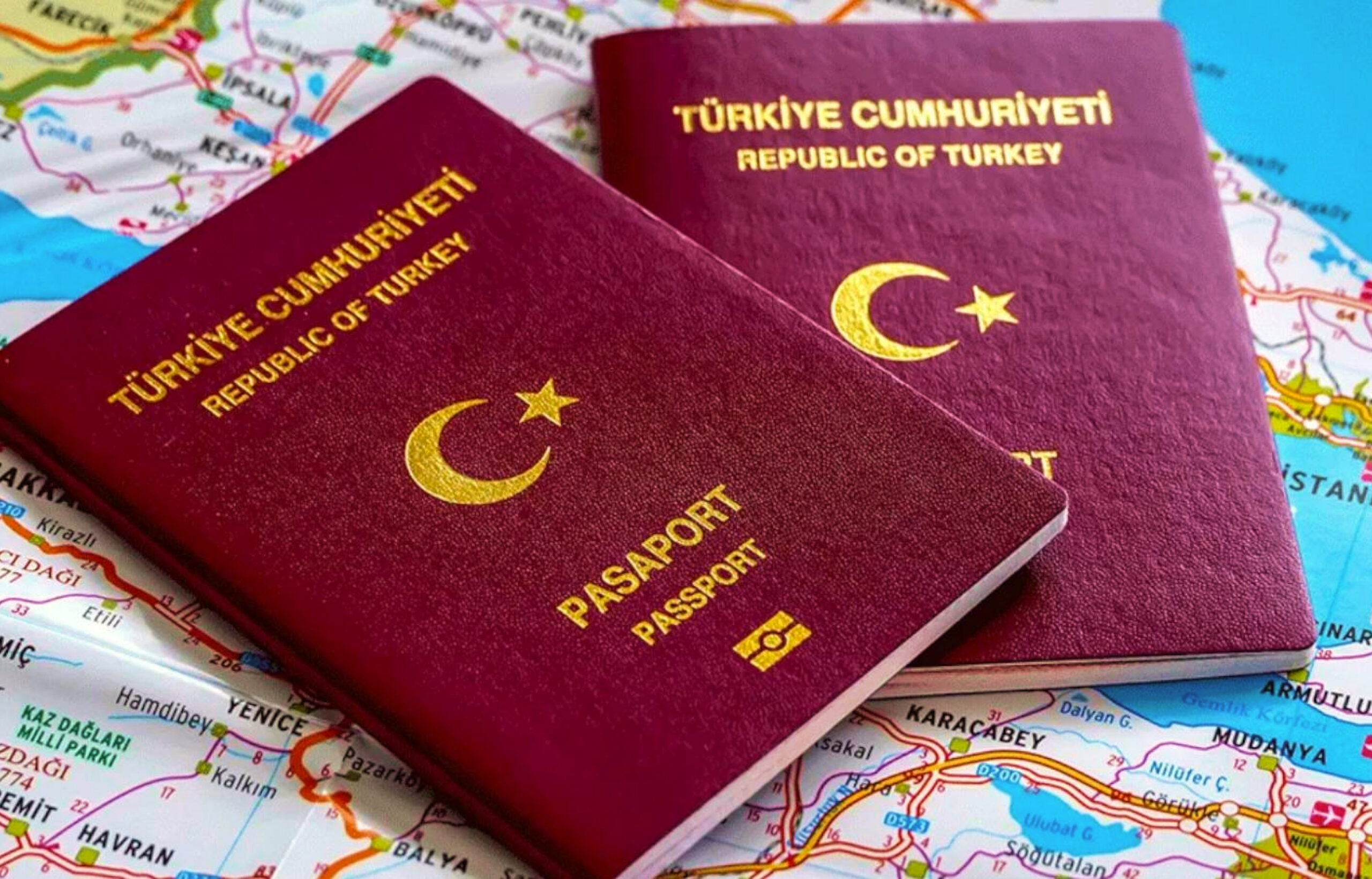
ID cards and passports required for partners and managers during company registration
The two most foundational documents you’ll be preparing are the Company Establishment Petition and the Articles of Association (known locally as the Ana Sözleşme). You can think of the petition as your formal application to the Trade Registry Office, while the Articles of Association serve as your company’s internal constitution.
Simplify your business setup with Workon’s all-in-one company registration service in Turkey.
Crafting the Articles of Association (Ana Sözleşme)
The Articles of Association (Ana Sözleşme) is, without a doubt, the most crucial document you’ll create. This legal text meticulously details every aspect of your company’s operations and has to align perfectly with the Turkish Commercial Code. It needs to be drafted with care and then notarised before it’s considered legally valid.
Here are the key components you must include:
Company Title (Ticaret Unvanı): This is the official, registered name of your business.
Official Address (Şirket Merkezi): A legal address is non-negotiable. This can be a physical office, a virtual office, or even a co-working space.
Scope of Operations (İşletme Konusu): You’ll need to provide a detailed description of all the commercial activities your company plans to engage in.
Capital Structure (Sermaye Yapısı): This section outlines the total committed capital and how shares are distributed among the partners.
Management Details: Clearly state the names and specific authorities of the appointed managers or directors.
Expert Tip: A frequent misstep I see is being too vague in the “Scope of Operations.” You want to be specific about your business activities to prevent the hassle and cost of future amendments. Precision from the start ensures your company is legally cleared to operate in all intended fields from day one.
The Company Establishment Petition and Other Key Papers
The Company Establishment Petition acts as the official cover letter for your entire application package to the Trade Registry. This document formally requests the registration of your new limited company and must be submitted alongside all your other supporting paperwork.
Establishing a limited company in Turkey involves a very specific set of documents. Besides the notarised Articles of Association, you’ll need the application petition, attendance sheets from the founding meeting, and the signature declarations of the managing directors. Remember, the minimum share value per partner is at least 25 TRY, and the company’s minimum total share capital has been raised to 50,000 TRY.
Once you have the core company paperwork sorted, the focus shifts to the people running the show: the partners and managers. It’s not enough to just name them; the Turkish Trade Registry needs to meticulously verify who they are and that they’re legally authorised to act for the company. This is all about transparency and accountability.
Essential Legal Paperwork Every Partner and Manager Must Prepare
Think of it as creating an undeniable legal link between an individual and their role in the new business. Every founder and manager has to provide a specific set of documents, and what’s needed can change slightly depending on whether they’re a Turkish citizen or a foreign national.
Personal Identification for All Parties
The foundational step is proving everyone’s identity. This is a non-negotiable part of the checklist when you’re gathering your “limited şirket kurmak için gerekli evraklar” (documents required to establish a limited company).
For Turkish citizens, the process is quite direct:
Notarised Copy of Identity Card (Nüfus Cüzdanı Sureti): Every Turkish partner and manager needs to supply a clear, notarised photocopy of their national ID.
Proof of Residence (İkametgâh Belgesi): You’ll also need a recent document that confirms their registered address. This can be easily obtained through the e-Devlet portal or from local civil registry offices (Nüfus Müdürlüğü).
For foreign nationals, there are a couple of extra but essential hoops to jump through to make sure their documents hold up under Turkish law.
Translated and Notarised Passport Copy: The information page of the passport must be translated into Turkish by a certified sworn translator, and then the translation needs to be notarised.
Potential Tax ID Number: Before the company registration can even begin, each foreign partner must get a potential tax ID number from a local tax office.
Apostille Convention: If you’re from a country that’s a signatory to the Hague Apostille Convention, some of your official documents might need an apostille stamp to be considered valid in Turkey. It’s always best to check this in advance.
Getting these details right is critical. We dive deeper into the compliance side of things in our guide to the legal requirements to start a business in Turkey, which is a great resource for both local and foreign entrepreneurs.
The Critical Role of the Signature Declaration
One of the most important documents you’ll handle is the Declaration of Signature (İmza Beyannamesi). This is the official document that registers the signatures of anyone who has the authority to represent the company. It’s what gives them the legal power to sign contracts, open bank accounts, and handle official business on the company’s behalf.
This declaration isn’t just a simple form; it has to be prepared and certified at a public notary. The manager signs their name under the company’s official title, which creates a legal specimen signature. Government bodies, banks, and business partners will refer back to this document to verify that a signature is legitimate. It’s a powerful tool against fraud and makes it crystal clear who has executive authority.
Simply put, without this notarised document, a manager’s signature has no legal standing for the company. The business would be completely unable to operate.
Capital and Financial Documentation Requirements
Properly documenting your company’s capital isn’t just a formality; it’s a critical, non-negotiable step in the Turkish company formation process. These financial papers are the official proof that your business is funded according to Turkish law and are a core part of the “limited şirket kurmak için gerekli evraklar” checklist. Getting this right from the start establishes financial transparency.
The first piece of paper you’ll need is the Bank Receipt for the Competition Authority Fee (Rekabet Kurumu Harcı). Before you can even think about submitting your main application, a small fee must be paid to the Turkish Competition Authority. This fee is calculated as 0.04% of your total committed capital and must be paid into a designated bank account. The receipt from this transaction is an essential part of your submission package for the Trade Registry.
Proving Your Capital Commitment
Next up, you have to show proof of your committed capital. While there’s some flexibility in when you actually pay it, your commitment to that capital amount must be crystal clear from day one. Limited companies are incredibly popular in Turkey, largely because their capital rules are quite manageable.
The absolute minimum capital required is 50,000 Turkish Lira (TRY). The good news is, you don’t have to pay this all upfront. Turkish law gives founders a generous 24-month window after registration to pay the full capital amount. If you want to dive deeper into the specifics, the procedural steps for establishing a limited company in Turkey are a great resource.
To prove this, you’ll need a bank letter confirming the capital deposit. Now, while a pre-registration deposit isn’t mandatory, if you do decide to deposit some or all of the capital, this letter becomes a vital document. It’s the bank’s official statement confirming the amount paid into your company’s brand-new bank account.
Key Insight: Many founders I’ve worked with choose to deposit at least a portion of their capital early on. Even though it’s not legally required for registration, it’s a strong signal of financial stability to potential partners, clients, and banks. It really helps build credibility right out of the gate.
Handling Non-Cash Capital Contributions
What if part of your company’s capital isn’t cash? Perhaps it’s a vehicle, a piece of real estate, or specialised machinery. This is known as an in-kind contribution, and it adds an extra step to the process. You can’t just assign a value to it yourself.
Instead, you are required to get an Expert Valuation Report (Bilirkişi Değerleme Raporu). This involves a court-appointed expert who will conduct an official assessment to determine the fair market value of your non-cash asset. Their final report is then submitted with your other formation documents to the Trade Registry, legally registering that asset as part of the company’s capital. This whole process ensures every contribution is valued accurately and transparently.
When you’re planning your capital structure and putting together a pitch for investors, solid financial forecasting is key. Creating your işletmenizin finansal projeksiyonları can make all the difference here.
Your First Stop: The MERSIS Registration System
Your company’s official journey begins on a platform called MERSIS, which stands for the Central Registry Record System. In practice, this is the digital gateway to the Turkish Trade Registry, and it’s a mandatory first step for anyone setting up a new limited company. It’s the system where you’ll get the ball rolling on all the limited şirket kurmak için gerekli evraklar (documents required to establish a limited company).
Before you ever set foot in a government office, you’ll use MERSIS to digitally draft and submit your company’s Articles of Association. The platform is designed to walk you through the process, helping you create a foundational legal document that aligns perfectly with the Turkish Commercial Code. Getting this part right is absolutely crucial for a hassle-free registration.
From Digital Application to an In-Person Appointment
The main objective when using the MERSIS platform is to get a unique request number. This number is your official application tracker and the key to moving forward.
Here’s what the MERSIS homepage looks like—this is where it all starts.
The First Step in Limited Company Formation
This is more than just a landing page; it’s the control panel for launching your business, amending existing company details, or handling other official corporate filings.
After you’ve carefully entered all the required information and finalised your draft Articles of Association, you’ll submit everything through the system. If all goes well, MERSIS will issue your unique tracking number. This isn’t just a reference number; you’ll need it to book an appointment at the Trade Registry Office for the final, face-to-face signing and document submission.
The whole procedure can feel a bit daunting, which is why we’ve broken it down. For a deeper dive, check out our guide on the complete process of establishing a company in Turkey.
Practical Tip: I can’t stress this enough: triple-check every detail before you hit submit on MERSIS. Pay close attention to names, addresses, and capital figures. A simple typo can get your application rejected by the Trade Registry Office, forcing you to start over and re-book your appointment. A little extra care at this digital stage can save you a world of frustration and delays down the line.
Essential Post-Registration Documents and Next Steps
Getting your company registered with the Trade Registry is a huge milestone, but don’t pop the champagne just yet. Think of it as the starting line, not the finish. A few critical post-registration steps are needed to get your business fully compliant and ready to trade in Turkey. This is where your newly registered entity really becomes a functioning commercial business.
This next wave of tasks means dealing with different government agencies, namely the tax office and the social security institution. Each step has its own document requirements, all designed to cement your company’s legal and financial footing. It’s really important to tackle these tasks quickly to sidestep any potential fines and get your business operations started on a solid foundation.
Finalising Your Legal and Tax Status
Once your company’s formation is officially published, you have a few key administrative hurdles to clear. The first is to get your hands on the official proof of registration and then formally introduce your business to the tax authorities.
Trade Registry Gazette (Ticaret Sicil Gazetesi): After registration, the establishment of your company is announced in this official gazette. You need to get a certified copy of this announcement. It’s the ultimate legal proof that your company exists and you’ll need it for just about everything, from opening a business bank account to signing contracts.
Tax Office Registration: Your next stop is the local tax office (Vergi Dairesi). Here, you’ll submit your company’s Articles of Association and the Trade Registry Gazette announcement. In return, you’ll be issued a Tax Identification Number (Vergi Kimlik Numarası), which is essential for all financial transactions.
Legalisation of Company Books: Turkish law requires every company to keep a set of official books (think general ledger, journal, and inventory book). Before you even make your first entry, these books must be notarised. This formal step makes them legally valid for your financial reporting and for any future audits.
With the official registration sorted, it’s a good time to establish clear internal workflows. You can streamline your operations by using effective business process documentation templates.
Registering for Social Security
Planning on hiring staff? Even if it’s just you as a director, registering with the Social Security Institution (SGK) is non-negotiable. This needs to be done right after the company is registered to stay on the right side of Turkish labour laws.
The process involves submitting an application along with your company’s legal documents to the local SGK office. Getting this done ensures that from day one, your employees (and you) are properly covered under the national social security system.
Frequently Asked Questions About Formation Documents
Getting your paperwork right is one of the biggest hurdles when starting a new business. It’s natural to have questions. This section tackles some of the most common queries we hear about the “limited şirket kurmak için gerekli evraklar” to help you sidestep common pitfalls and keep things moving forward.
Can a Foreign National Be the Sole Founder of a Limited Company in Turkey?
Yes, absolutely. Turkish law is quite welcoming to foreign investors and allows a non-Turkish national to be the sole founder and hold 100% of the shares in a limited company. There are no local partnership requirements.
The main difference is just a bit of extra paperwork. For foreign founders, the key documents are:
A notarised copy of your passport, officially translated into Turkish.
A potential tax identification number, which you’ll need to get from a local tax office before the company registration is finalised.
This straightforward approach puts foreign and local entrepreneurs on equal footing, making it much easier to bring international investment into the country.
Is It Mandatory to Deposit Capital Before Registration?
No, you don’t have to deposit the capital upfront. While you must state the total committed share capital in your Articles of Association, the law gives you some breathing room to actually pay it. The full amount must be paid in within 24 months of the company’s official registration.
This is a huge help for new businesses. It means you can manage your cash flow during that critical launch period without the immediate burden of a large capital outlay.
What Happens If My MERSIS Application Has an Error?
It’s not a disaster if the Trade Registry Office finds a mistake in your MERSIS application. They will simply reject the submission, but you won’t have to start over from scratch.
You’ll receive a notification detailing exactly what needs to be fixed. All you have to do is log back into the MERSIS portal, make the required changes to your digital application, and resubmit it. It’s designed to be a relatively painless correction process.
Do I Need a Physical Office Address to Register My Company?
Yes, having a legal business address in Turkey is non-negotiable. This address has to be included in your Articles of Association, as it’s where all official government and legal notices will be sent.
But you have options beyond a traditional office lease. A “physical office” can be:
A standard rented office space.
A desk or private office in a co-working space.
A virtual office address from a legitimate, authorised provider.
This flexibility is great for startups, allowing you to pick a solution that fits your budget and how you plan to operate.
At Workon, we specialise in taking the complexity out of company formation in Turkey. From navigating the MERSIS application to making sure every document is spot-on, our team is here to manage the details for you. Start your business journey with us today.
The required documents include the MERSIS application number, notarised Articles of Association, signature declarations, a bank receipt for the Competition Authority fee, and the Chamber of Commerce registration form.
Yes. Foreign nationals can be sole founders or partners, provided they submit notarised and translated passports, obtain a tax ID, and meet capital requirements.
No. While you must declare the committed capital in the Articles of Association, Turkish law allows 24 months to deposit the full amount after registration.
Yes. A legal address is mandatory but can be a rented office, a co-working desk, or a virtual office from an authorised provider.
If there’s a mistake, the Trade Registry Office will reject it with correction notes. You can revise the application in MERSIS and resubmit without restarting the process.
Subscribe to Newsletter
Be notified of the latest news in the business world quickly