Living in Istanbul as a Foreign Entrepreneur: A Complete Guide to Visas, Business Setup & Costs
28.11.2025
So, you’re thinking about setting up shop in Istanbul? It’s a move that puts you right at the heart of where East meets West, blending ancient history with a seriously modern business pulse. Life here as a foreign entrepreneur is a different beast compared to a typical Western hub—you get a significantly lower cost of living and a strategic launchpad into massive markets. Getting settled means learning to ride the wave of a vibrant culture and figuring out the local red tape, but for those who do, the payoff is huge.
Setting up your life and business in a city as vast as Istanbul can feel a bit like putting together a giant, beautiful, and slightly chaotic puzzle. The opportunities are immense, but you have to know where to begin. This checklist is your starting point, your bird’s-eye view of the essential first moves. Think of it as the foundation—from getting the right visa to finding a place to call home—that everything else will be built upon.
The Strategic Advantage of Istanbul
What’s the big deal about Istanbul, anyway? Why are so many entrepreneurs drawn here? For starters, its location is unbeatable. Turkey sits at the crossroads of Europe and Asia, putting over 1.5 billion potential customers just a four-hour flight away. That’s not just a statistic; it’s a massive market at your doorstep.
This incredible reach is backed by a surprisingly resilient economy with a GDP north of $900 billion. The city is full of young, talented people, and you can actually get a company officially registered in about a week. You can dig deeper and discover more insights about the Turkish market for foreign entrepreneurs to really see the potential.
This view says it all—Istanbul, a city literally split between two continents by the Bosphorus Strait.
It’s more than just a stunning photo. You’re looking at a global logistics hub, a melting pot of cultures, and a gateway to diverse markets, all in one frame.
Making a successful move to Istanbul is all about methodical planning. Every step—legal, financial, cultural—is connected. If you drop the ball on one, it’ll trip you up on the next. A solid checklist isn’t just a nice-to-have; it’s your lifeline.
To give you a clearer picture, here’s a quick breakdown of the core steps you’ll be taking. Think of this table as your project plan for launching your new venture in Turkey.
Core Steps for Entrepreneurs in Istanbul
Step
Action
Approximate Timeline
1. Visas & Permits
Research and apply for the correct work or entrepreneur visa before arrival.
2-3 months
2. Company Formation
Register your business type (e.g., LLC) with the local Chamber of Commerce.
1-2 weeks
3. Open a Bank Account
Secure a Turkish tax ID number, then open both personal and business accounts.
1-3 days
4. Find a Workspace
Choose between a traditional office, a serviced office, or a coworking space.
1-4 weeks
5. Find Accommodation
Rent an apartment. Landlords often require a deposit and several months’ rent upfront.
2-4 weeks
6. Build Your Network
Attend industry events, join business associations, and connect on platforms like LinkedIn.
Ongoing
Each of these steps is a milestone in itself. By tackling them one by one, you turn what seems like a monumental task into a series of manageable achievements, paving your way to success in this incredible city.
Navigating Visas and Residence Permits
Before you even think about scouting office locations or sampling the local coffee, your first and most important job is sorting out your legal status. This isn’t just bureaucratic box-ticking; getting your visa and residence permit is the bedrock upon which you’ll build your entire life and business in Istanbul.
Think of it this way: without the right legal paperwork, you’re essentially locked out of the game. You can’t legally run your company, sign a lease, or even open a proper bank account. Fortunately, Turkey has a few clear pathways for entrepreneurs like you. This visual guide breaks down the critical first steps, showing how your legal status is the key that unlocks everything else.
The Three Essential Steps: Visa → Register → Live
As you can see, getting your permit is the non-negotiable first move before you can register your business or find a permanent home.
Key Visa and Permit Options
For most foreign founders, it comes down to two main options: a work permit linked to your new company, or a short-term residence permit. The best choice for you really depends on how you plan to run your business and what your immediate goals are.
A Work Permit is the go-to for entrepreneurs who plan to be hands-on from day one. Typically, you’ll establish your Turkish company first, and then, as a shareholder or director, you can apply for a permit to legally work within that business. It’s the most direct route if you’re managing operations yourself.
The other common strategy is to first get a Short-Term Residence Permit (STRP). This lets you live in Turkey for up to a year, giving you the time and space to get your company set up. Crucially, the STRP doesn’t let you work. It’s a great fit if you’re overseeing the setup remotely or have local partners handling the initial legwork. Rules can change, so it’s always smart to stay updated. You can find more on this here: https://workon.com.tr/en/turkish-residence-permit-new-rules-2025/
Don’t rush this part. A mistake on your permit application can cause serious delays that ripple through every aspect of your move, from getting a bank account to renting an office. Treat this stage with the careful planning it deserves.
The Application Process and Essential Documents
Getting your paperwork in order is half the battle. While specific requirements can vary, you’ll need a core set of documents for almost any application.
You should be prepared to provide:
A valid passport with plenty of time before it expires.
Proof of accommodation, usually a notarised rental contract.
Biometric photos taken to precise government specifications.
Proof of sufficient financial means to show you can support yourself.
One absolute must-have for a residence permit is valid Turkey travel health insurance. This isn’t optional—your policy must cover the entire period you’re applying to stay for.
Long-Term Pathways and Citizenship
If you see yourself in Istanbul for the long haul, there are more permanent options to explore once you’re established. The Turquoise Card, for instance, functions like a Turkish green card. It grants indefinite work and residence rights to highly skilled individuals and significant investors, making it a fantastic long-term goal.
On top of that, government initiatives have made Turkey an even more welcoming place for serious investors. Certain programmes offer a direct path to Turkish citizenship for foreigners who make qualifying investments, such as in real estate or business. This not only cements your place in the country but also deeply integrates you into the fabric of Turkish society, providing incredible long-term stability for you and your venture.
Setting Up Your Company in Istanbul
Once you’ve got your visa and residency sorted, the real fun begins: turning your business idea into an actual legal entity. Establishing a company in Istanbul is a straightforward process, but it’s more than just ticking boxes. You’re laying the legal groundwork that will support your entire venture as it grows here in Turkey.
The journey involves a few key milestones, from picking the right company structure to getting your tax ID and opening a corporate bank account. Every step is vital for making sure you’re compliant and ready to hit the ground running. The good news is that this process has become much smoother over the years, which is a massive draw for entrepreneurs like us.
Formalizing the Paperwork for Establishing a Company in Istanbul
You can see this growing appeal in the numbers. The count of foreign-capital companies in Turkey has hit an all-time high, with more than 20,000 registered in a single recent year. On top of that, equity capital inflows have climbed to $6.7 billion, cementing Istanbul’s reputation as the go-to economic hub for incoming founders. You can read the full report on foreign investment in Turkey to get a feel for the momentum.
Choosing Your Business Structure
Your first major decision is choosing the right legal form for your company. For most foreign entrepreneurs landing in Istanbul, it really boils down to two main options: a Limited Liability Company (LLC) or a Joint-Stock Company (JSC).
Limited Liability Company (LLC / Limited Şirket): This is by far the most popular choice for small and medium-sized businesses. It requires just one shareholder and a minimum share capital of 50,000 TRY. The biggest plus? A shareholder’s liability is limited to their investment, which keeps your personal assets safe.
Joint-Stock Company (JSC / Anonim Şirket): This structure is a better fit for larger operations, especially if you plan on raising public funds down the line. A JSC can also be founded by a single shareholder but requires a minimum capital of 250,000 TRY. It offers much more flexibility for transferring shares and is mandatory for certain sectors like banking and insurance.
Think of it this way: an LLC is like a speedboat—nimble, fast, and perfect for smaller crews. A JSC, on the other hand, is a cargo ship—built for heavy lifting and larger, more complex operations. For a really deep dive, check out our guide on setting up a company in Turkey as a foreigner.
The Core Registration Process
After you’ve picked your company type, it’s time to make it official. I’d strongly recommend getting a local advisor to help with the details, but the general roadmap is pretty clear.
Prepare and Notarise Documents: This involves drafting the Articles of Association, getting signature circulars for the managers, and having shareholder passports translated and notarised.
Obtain a Tax ID Number: Your new company will need a potential tax ID number, which you can get from the local tax office.
Deposit Share Capital: You’ll need to deposit a portion of the required share capital into a bank account before the registration can be finalised.
Register with the Trade Registry: Finally, you’ll submit all your paperwork to the local Trade Registry Office (Ticaret Sicili Müdürlüğü). Once they give the green light, your company officially exists!
Getting a handle on local accounting standards and employment laws right from the start is non-negotiable. A misstep here can be incredibly costly to fix later. My advice? Invest in solid legal and financial guidance early on. It’s the best way to ensure your business launches smoothly and stays on the right side of the law.
Connecting to the Local Business Ecosystem
So, you’ve got the legal paperwork sorted and your company is officially a Turkish entity. Congratulations! Now comes the real challenge: plugging yourself into Istanbul’s incredible business world. Let me tell you, success here isn’t just about what you know; it’s very much about who you know. The city has a dynamic and surprisingly welcoming startup scene, but you need to know where to look.
Think of building your network as constructing your own personal Bosphorus Bridge. On one side, you’re an isolated newcomer; on the other, you’re connected to a world of opportunity. Forging these connections takes effort. You have to be proactive and seek out the places where founders, investors, and future partners congregate.
Collaborating Within Istanbul’s Vibrant Business Ecosystem
It all starts with finding the right spaces, both physical and digital, to plant your flag. From buzzing coworking hubs to high-energy industry events, each one is a vital node in this city’s entrepreneurial network.
Finding Your Community in Coworking Spaces
For any entrepreneur new to Istanbul, a coworking space is so much more than a desk and a good Wi-Fi connection. It’s your instant community. These places are specifically designed to encourage collaboration and are usually buzzing with a mix of local and international talent. They’re the perfect launchpad for building your professional circle from the ground up.
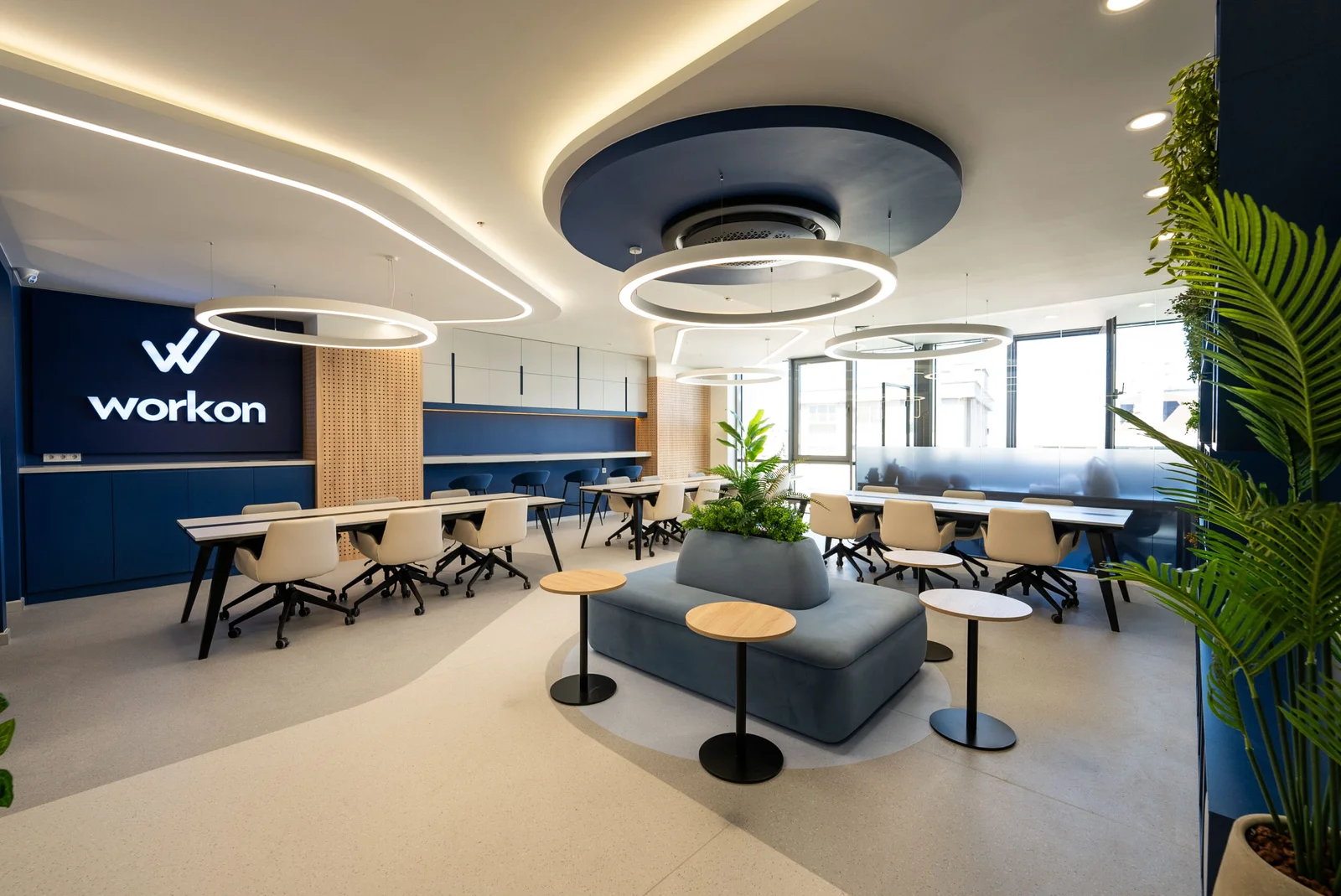
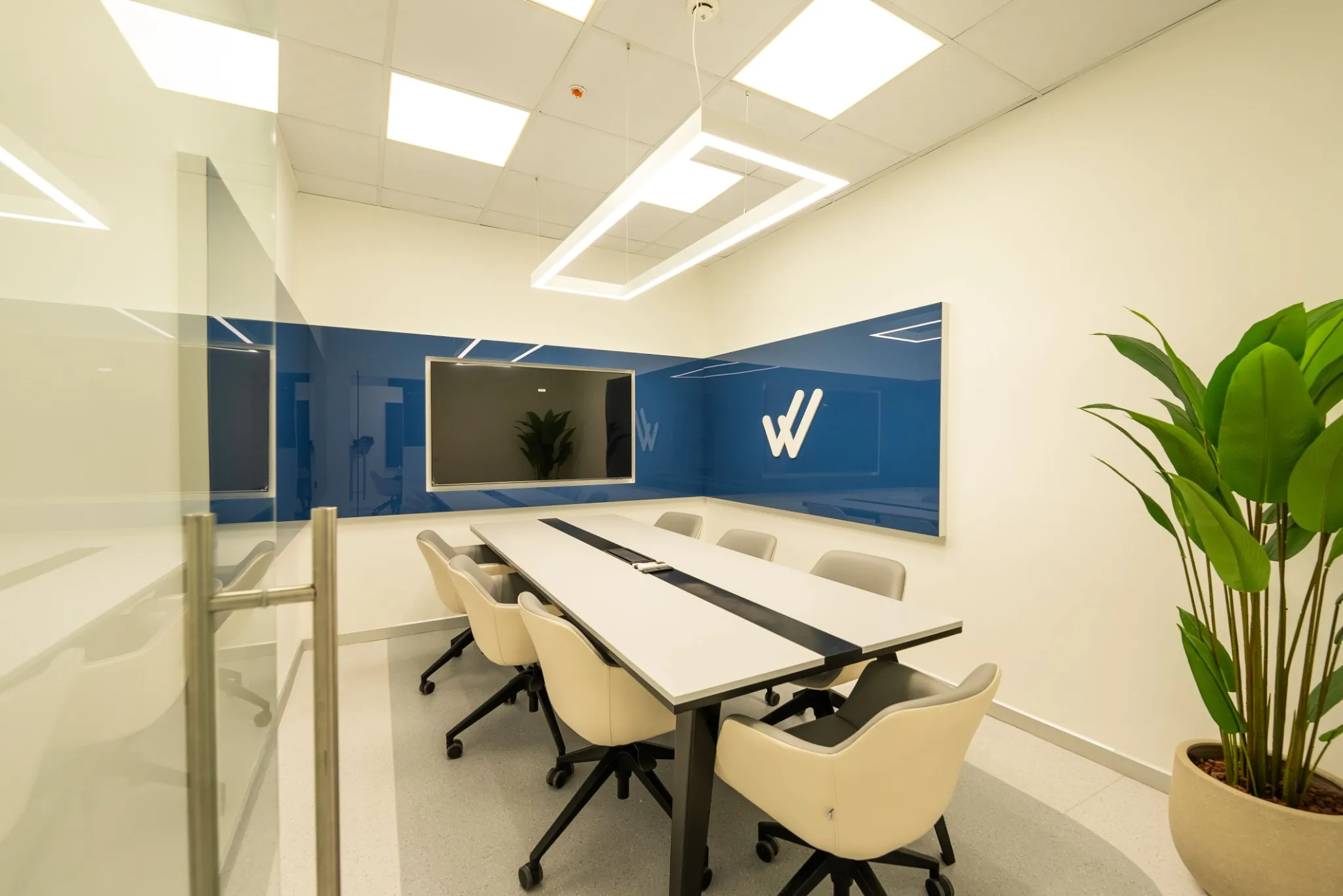
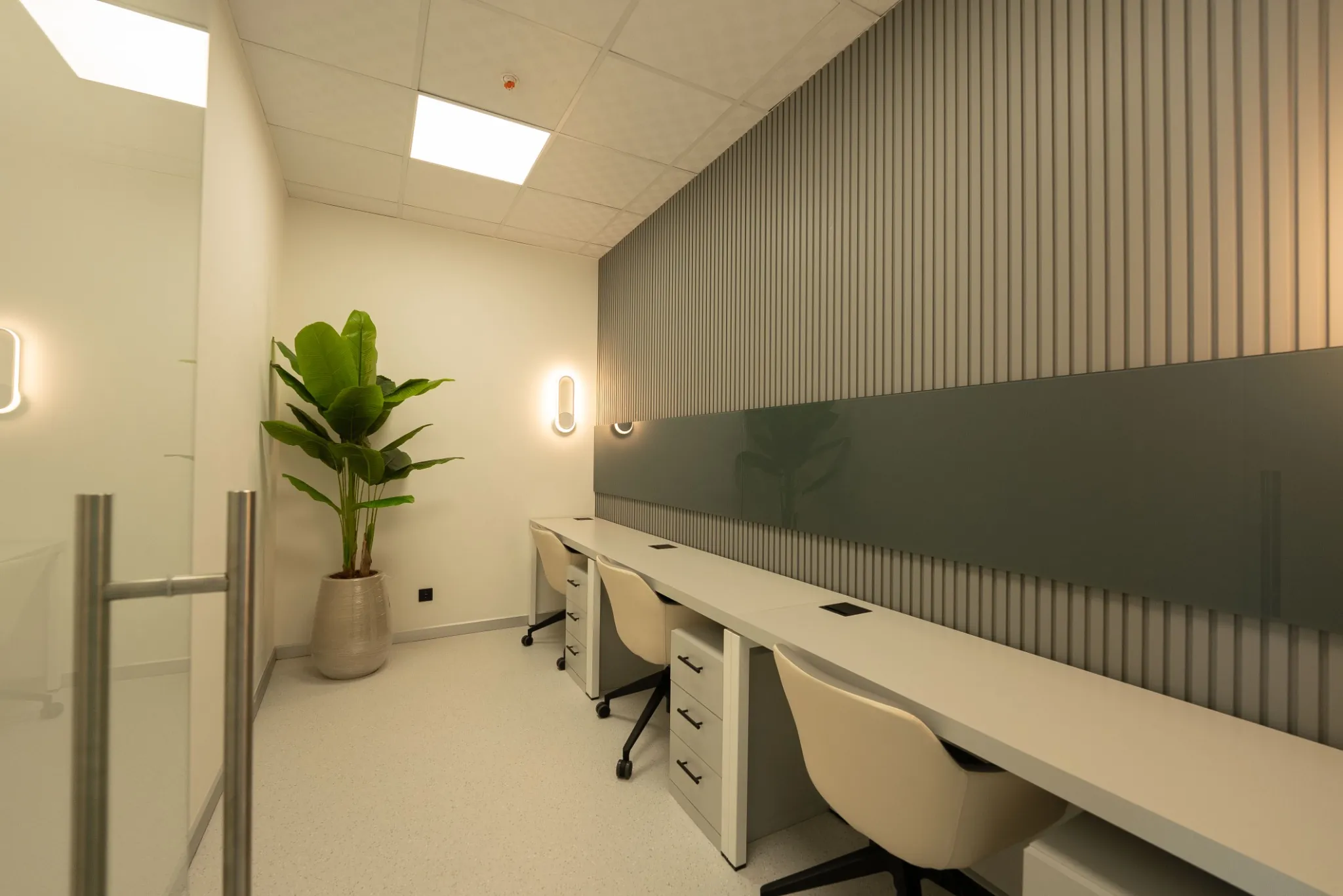
Workon’s coworking locations offer a practical starting point for newcomers looking to connect with Istanbul’s professional scene. Their spaces bring together people from different fields, making it easy to meet others, exchange ideas, and settle into a new work rhythm. With shared areas, meeting rooms, and regular community activities, Workon provides an accessible environment where entrepreneurs can quickly feel part of a wider network.
Key Events and Organisations for Networking
Beyond the daily grind at your workspace, industry events are where you can make truly strategic connections. Istanbul’s calendar is packed with conferences, meetups, and workshops for just about every sector imaginable, from fintech and e-commerce to the creative arts.
Your network is your most valuable asset in a new city. I can’t stress this enough. A single meaningful conversation at an event can open doors that would otherwise take months to unlock. Make relationship-building a priority from day one.
To get started, keep a close watch on platforms like Eventbrite and Meetup for local gatherings. It’s also worth looking into joining business associations like the Turkish Industry and Business Association (TÜSİAD) or one of the many chambers of commerce. These organisations offer structured networking events and can provide indispensable insights into the local market. Showing up is how you find mentors, meet investors, and build the partnerships that will truly help your business grow.
Understanding Turkish Business Culture
Getting your company off the ground in Istanbul is one thing. Actually making it a success is another challenge entirely. To truly thrive here, you need to look beyond the numbers on a spreadsheet and immerse yourself in the local business culture. It’s a world where personal relationships can be more binding than a legal contract, and trust is the most valuable currency you can earn.
In Turkey, business is personal. Forget quick, transactional deals. The focus here is on building genuine, lasting rapport with your partners, clients, and team. This takes time and patience, often unfolding over many cups of tea or coffee where the initial conversation has nothing to do with business at all.
Don’t mistake this for idle chit-chat. This is where the foundation for your collaboration is laid. Your Turkish counterparts want to get a sense of who you are as a person before they decide if they want to do business with you.
The Importance of Relationships and Trust
In many Western countries, a rock-solid business plan and a compelling value proposition are often enough to get a signature on the dotted line. Here in Turkey, that’s just the price of admission. The real decision-making happens after a bond of mutual respect and trust has been established. Think of it as investing in social capital—it pays the best dividends.
This means you should plan for multiple meetings before any decisions are made. Trying to rush the process is often seen as rude and can quickly erode the very trust you’re trying to build. Showing a sincere interest in their family, their city, and their culture sends a clear signal that you’re here for the long haul, not just a quick win.
A direct ‘no’ is rarely used in Turkish business communication as it is considered impolite. Learning to interpret a non-committal response like ‘we will see’ or ‘inşallah’ (God willing) is a critical skill for accurately gauging commitment levels and avoiding future misunderstandings.
Simplify your business setup with Workon’s all-in-one company registration service in Turkey.
Navigating Communication and Meetings
Meetings in Istanbul can feel a bit more free-flowing than you might be used to. Agendas are often treated as flexible guides rather than rigid schedules, and it’s common for discussions to wander. This is all part of the relationship-building process. While punctuality is appreciated, don’t be surprised if things start a few minutes late.
Here are a few key points of etiquette to keep in mind:
Hierarchical Respect: Always show deference to the most senior person in the room. Greet them first and listen carefully when they speak.
Business Cards: Exchanging business cards is still a standard practice. It’s a sign of respect to take a moment to read the card you’ve been given before putting it away.
Patience is Key: Negotiations are often a slow, deliberate dance. High-pressure sales tactics will almost always backfire and can do serious damage to the relationship.
Understanding the Local Market
Beyond the boardroom culture, getting a feel for Turkish consumer behaviour is crucial for tailoring your product or service. The market is incredibly dynamic and diverse, with some very distinct trends shaping key industries.
Take the tech and e-commerce space. Turkish consumers are overwhelmingly mobile-first, so a flawless mobile experience isn’t just a nice-to-have; it’s a necessity. They also put immense weight on customer reviews and social proof, which makes influencer marketing and active community management particularly powerful tools.
The tourism sector is another local powerhouse. Today’s travellers, both Turkish and international, are hungry for authentic, experiential offerings. Cookie-cutter packages are losing ground to personalised tours, unique boutique accommodations, and culinary journeys that celebrate Turkey’s incredible heritage. To succeed here, you need to sell the story and cultural value behind your brand.
By aligning your business strategy with these cultural and market realities, you’ll position yourself not just as a foreign entrepreneur, but as a welcome and integrated part of Istanbul’s vibrant economic life.
Figuring Out Your Finances and Finding a Place to Live
Before you can even think about business, you need a handle on your personal budget. Getting this right is make-or-break for any entrepreneur moving to Istanbul, because where you decide to live will massively impact your monthly expenses.
It’s a classic trade-off. You could set up in a vibrant, central district like Beyoğlu and be right in the middle of the action, but you’ll pay a premium for it. Or, you could cross the Bosphorus to a place like Kadıköy, which has a fantastic creative vibe but is generally easier on the wallet.
Here are a few key numbers to keep in mind from the get-go:
Lease Deposit: Expect to pay between one to three months’ rent upfront as a deposit.
Utilities: Your electricity, water, and gas bills will fluctuate, especially between the hot summers and cold winters.
Public Transport: A monthly Istanbulkart pass will set you back 777 TRY.
Groceries: Shopping at local markets (pazar) instead of big supermarkets can easily shave 15% or more off your food bill.
What Does it Actually Cost to Live in Istanbul?
To give you a clearer picture, let’s break down the typical monthly expenses you can expect. Remember, these are averages and can swing quite a bit depending on your lifestyle and exact location.
Average Monthly Living Costs in Istanbul
Expense Category
Average Monthly Cost (TRY)
Notes
Rent (1-bed flat)
10,000–25,000
Highly dependent on the district and building age.
Utilities
1,500–2,500
Includes electricity, water, gas, and aidat.
Internet (Fibre)
350–500
For a reliable high-speed connection.
Transport
777
Unlimited monthly Istanbulkart pass.
Groceries
4,000–6,000
Based on a mix of market and supermarket shopping.
This table covers the essentials, but don’t forget to factor in other costs like health insurance, entertainment, and business-related expenses.
As you can see from recent data, rent is by far the biggest slice of the pie, often taking up nearly half of an entrepreneur’s budget. Food and utilities are the next major expenses to watch.
A Quick Tour of Popular Neighbourhoods
Choosing a district isn’t just about the cost; it’s about finding a place that fits your personality and work life.
Kadıköy: Located on the Asian side, it’s the heart of Istanbul’s creative and alternative scene. Rents for a decent one-bedroom start around 15,000 TRY. It’s packed with great cafés, independent shops, and has fantastic ferry links to the European side.
Beşiktaş: A bustling hub on the European side. It’s pricier, with rents closer to 20,000 TRY, but you’re in a prime, central location with endless restaurants and easy access to other key business districts.
Üsküdar: Also on the Asian side, this area is more traditional and quieter. It’s a great budget-friendly option with rents as low as 12,000 TRY, perfect if you want a more local, relaxed feel.
Nailing the Accommodation Hunt
Finding and securing a flat in Istanbul has its own rhythm. Here are a few tips to help you navigate the process:
Negotiate: Don’t be shy. Offering a larger deposit or proposing a longer lease term can sometimes get you a better monthly rate.
Inspect Everything: Before you sign anything, check the utilities, look for signs of damp, and make sure everything works. This will save you major headaches later.
Hire an Emlakçı: A local real estate agent can be a lifesaver. They’ll handle the language barrier, navigate the paperwork, and help you avoid common traps like leases with vague maintenance clauses.
A well-negotiated contract, often with the help of a good agent, can realistically save you 10–15% on your total rental costs over the year.
Managing Your Day-to-Day Expenses
Once you’ve found a place, you’ll need to get your utilities set up. This usually requires a Turkish tax ID number (vergi numarası) and proof of your address. Bills are typically sent by email or SMS and can be paid easily online or via banking apps.
Running a business from Istanbul means you’ll be communicating globally. To keep those operational costs down, look into the best cheap international calling apps. They’re a simple way to slash your phone bills without sacrificing call quality.
On the personal side, embrace the local way of life to save money. Do your weekly shop at the neighbourhood pazar and try cooking at home more often. You’ll be amazed how much you can reduce your food budget—often by 20–30%.
A Final Word on Budgeting
The Turkish economy can be unpredictable, with the exchange rate often fluctuating. It’s just smart practice to build a financial cushion. I always recommend keeping a buffer of at least 20% on top of your estimated monthly costs to cover any surprises.
A simple spreadsheet can be your best friend. Track everything:
Rent and deposit payments
Monthly utility bills
Groceries and transport
Miscellaneous spending
This isn’t about being stingy; it’s about being strategic. When you know exactly where your money is going, you can spot opportunities to cut back, freeing up more capital to pour back into your business.
Your Questions, Answered
Starting a new life and business in a city like Istanbul is a huge step, and it’s natural to have a million questions buzzing around your head. Let’s tackle some of the most common ones we hear from entrepreneurs just like you, so you can plan your move with more confidence.
How Long Does Business Registration Take?
Getting your company officially registered can be surprisingly fast. Once you have all your paperwork sorted, the core registration process—drafting the Articles of Association, getting your tax ID, and registering with the Trade Registry—usually takes just one to two weeks.
The real variable is the prep work. Things like opening a corporate bank account and getting documents notarised can add a bit of time to the front end of that schedule, so it’s wise to factor that in.
Is Finding Trustworthy Local Support Difficult?
It’s not difficult, but it does require some homework. Finding the right lawyer or accountant is absolutely key to a smooth start, and word-of-mouth is your best friend here. Tap into the local expat community or business groups for recommendations.
When you’re vetting professionals, make sure they:
Have a clear, upfront fee structure. No surprises.
Specialise in working with foreign-owned businesses. This isn’t a place for generalists.
Can communicate clearly in English to prevent costly misunderstandings.
Never underestimate the language barrier. While you’ll find plenty of English speakers in business circles, all official documents and government dealings are strictly in Turkish. A reliable local partner isn’t just a nice-to-have; they’re essential.
How Do I Renew My Residence Permit?
Renewing your short-term residence permit is pretty straightforward, but you can’t leave it to the last minute. You need to get the ball rolling at least 60 days before your current permit expires.
The whole process kicks off online through the official e-residence portal. You’ll need to upload current versions of your documents, like your rental agreement, proof of valid health insurance, and evidence that you have enough money to support yourself.
Figuring out the legal side of your move to Istanbul is a lot easier when you have an expert in your corner. Workon is here to guide foreign entrepreneurs through the entire journey, from setting up your company and securing permits to keeping up with local rules. Let us manage the red tape so you can get back to what you do best: building your business. Start your journey in Turkey with Workon today.
Yes. Istanbul offers low living costs, strategic geographic access to major markets, a young workforce, and a fast company registration process.
Most founders choose either a work permit based on their company or a Short-Term Residence Permit (STRP). Your choice depends on your business involvement.
Expect monthly expenses of 20,000–35,000 TRY depending on district, rent, transportation, utilities, and lifestyle.
Company formation usually takes 1 week, provided your documents (passport translations, articles of association, tax ID) are ready.
You can start by joining coworking spaces, attending local business events, connecting with entrepreneurial communities, and participating in industry-focused meetups and workshops. Professional associations and chambers of commerce are also valuable networking hubs.
Subscribe to Newsletter
Be notified of the latest news in the business world quickly