Add partner to Turkish company correctly requires choosing the right legal method from the start. This guide explains the options, documents, approvals, and registration steps you must complete
You need to determine the correct method for bringing in a new business partner to your Turkish enterprise. Your current decision will determine the entire direction which your life will take. You need to decide between two options which include either selling your present shares or creating new shares. Your business objectives at present will determine which path to take because you must either transfer ownership or secure funding for business growth.
The guide provides a sequential method which begins with method selection and finishes with all required legal paperwork to create a smooth transfer process for everyone involved.
Deciding to add a partner is a major milestone for any business in Turkey. The decision will create business-wide effects which will impact your company ownership structure and financial stability and operational plans. Before you even think about drafting documents or calling a meeting, the very first step is to figure out the best way to bring this new person or entity on board.
There are two primary ways to make this happen under Turkish law. The two systems operate with distinct rules which produce different financial effects so users need to understand their differences to achieve successful results.
The Two Core Methods Explained
The Turkish Commercial Code provides detailed instructions which explain the process of making structural changes to a company. You need to decide between these two methods which will guide your decision.
Share Transfer (Hisse Devri): The most direct method exists for this purpose. An existing partner simply sells some or all of their shares to the newcomer. The money changes hands between the partners themselves; it doesn’t go into the company’s bank account. The method achieves its best results when investors need to sell their assets or when the organization requires leadership transition planning or when owners want to redistribute ownership without using corporate resources.
Capital Increase (Sermaye Artırımı): The process requires you to establish new shares which you will use to reward the entering partner through a cash investment exchange. The company receives this money directly which enables it to increase its overall capital base. The best approach for funding business expansion and starting new projects and financial stabilization exists. The company becomes more valuable through this process yet current partners need to accept decreased ownership stakes.
For foreign entrepreneurs, the rules around partnership can sometimes seem a bit murky. If you’re wondering about the specifics, our guide on whether foreigners need a Turkish partner to start a business can clear things up.
Share Transfer vs Capital Increase At a Glance
The comparison between these two methods becomes simpler to understand through the analysis of their core differences. The two models present different objectives through distinct operational methods which become evident when they are displayed together to determine which one matches your organization’s strategic objectives.
Aspect
Share Transfer
Capital Increase
Primary Goal
Change ownership or allow an exit.
Inject fresh funds into the company.
Flow of Money
From the new partner to the selling partner.
From the new partner directly into the company.
Company Capital
Remains unchanged.
Increases.
Shareholder Equity
Ownership percentages are reallocated.
Existing shareholders’ stakes are diluted.
Common Use Case
An investor exits, a founder reduces their stake.
Funding growth, expansion, or a new project.
Your personal reason for making a decision will determine which path to choose. A share transfer functions as the solution which enables you to change ownership rights of assets. The company needs to perform a capital increase because this method enables them to obtain funds which they need for their expansion initiatives.
Why Your Company Type Matters
The execution process of share transfers and capital increases depends on the legal structure which your company operates under. In Turkey, the two most common are the Limited Liability Company (LLC or Limited Şirket) and the Joint-Stock Company (JSC or Anonim Şirket).
For an LLC, a share transfer is a formal affair. The board needs to pass a formal resolution which requires official notarization to start the registration process for share ledger changes. The process of getting a JSC makes all procedures more simple to follow. The process of transferring registered shares requires either an endorsement on the share certificate and a company ledger entry based on your articles of association. Your timeline needs to include this essential information.
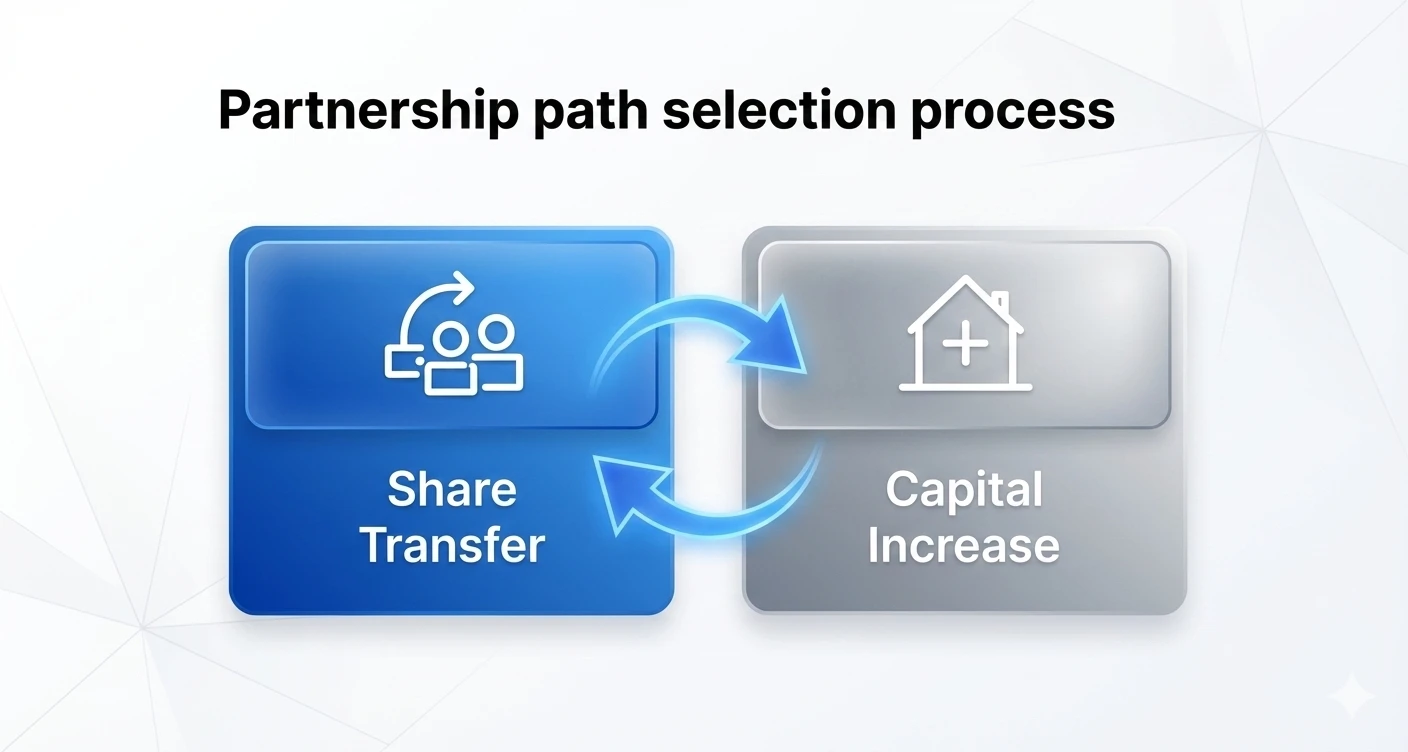
The first choice between share transfer and capital increase will establish which path the process needs to take. This infographic breaks down the two main options.
How company type shapes your options: share transfer or capital increase
Your business decision creates right away financial effects which determine what legal papers your company needs to handle. The Turkish M&A market maintains high levels of deal activity because strategic partners want to access this market. The current market shows that equity buy-ins together with new joint venture formations make up 40% of all market transactions. The tech and health sectors lead the way in new partnerships because artificial intelligence (AI) forms 28% of these alliances and healthcare organizations make up 22% of them. You can dive deeper into these trends in the KPMG Turkish Startup Investments report.
So, you’ve settled on bringing a new partner into your Turkish company. The legal process of confirmation begins after you select between share transfer and capital increase. The process requires more than box-checking because it needs to establish a stable legal base which will support your business operations into the future. The Turkish Commercial Code demands businesses to complete particular formal procedures following their initial meeting.
The first important legal document which founders must handle consists of either a Share Purchase Agreement (SPA) or a Subscription Agreement when they choose to increase capital through subscriptions. This document is the absolute cornerstone of the deal.
Crafting the Core Agreements
A properly developed SPA functions as your primary defense mechanism which protects you from upcoming disputes which might develop in the future. It needs to be crystal clear, leaving no gray areas about the terms of the transfer. The document functions as the complete plan which outlines the entire process of transferring ownership.
Your agreement needs to establish the following essential details:
The Parties Involved: Full legal names, addresses, and ID details for everyone involved – the seller and the buyer.
Share Details: The exact number of shares changing hands, their nominal value, and the final sale price.
Payment Terms: How is the money being paid? When? In what currency? Wire transfer or another method? Spell it out.
Representations and Warranties: These are formal assurances. For example, the seller confirms they legally own the shares, and the buyer confirms they have the funds to complete the purchase.
A vague SPA is a classic mistake I see all too often. Simply writing “payment upon transfer” is asking for trouble. The agreement needs to contain a payment section which establishes that the seller must receive the full purchase price of TRY 500,000 through bank account electronic funds transfer within three business days following both parties sign and notarize this agreement. The detailed information helps to avoid expensive miscommunications which will occur in the future.
A partnership agreement is only as strong as its weakest clause. Your first agreements need complete detailed information because this method helps you prevent legal conflicts and financial disputes which will develop in the future.
The Board of Directors’ Resolution
The process requires your company to obtain a formal board resolution for the agreement after it reaches its final draft stage. A Joint-Stock Company (JSC) has its Board of Directors as its governing body while a Limited Liability Company (LLC) operates through its Board of Managers. The company has officially approved the new partner and all deal terms through this resolution which serves as their official authorization. The document functions as evidence of legal status which enables the transfer process.
This decision must be recorded in the company’s official resolution book. The document needs to show the board’s approval for X shares to move from Partner A to Partner B while it includes the exact share amounts and purchase price from the SPA. The notary requires exactness in this document because he will perform a thorough examination of it. To get a better handle on the required paperwork, you can review our comprehensive guide to Limited Company documents in Turkey.
The Notarization and Registration Process
The Turkish law requires LLC share transfer documents to become legally valid only after they receive notarization. This is an absolute must. Both the current and incoming partners need to go to a public notary’s office to sign the share transfer agreement in person. The notary’s job is to verify everyone’s identity and witness the signing, which gives the document its official legal weight.
A common hold-up?People arrive at the notary office without bringing the necessary documents. The company requires you to obtain three documents for the transfer process which include articles of association and board resolution approval and identification documents from all signing parties.
The process ends when the ink dries and the notary applies their official stamp to the document before the Turkish Trade Registry Office (Ticaret Sicil Müdürlüğü) receives the registration documents. You need to provide both the notarized agreement and the board resolution for submission. The Registry performs an official update of the business information which appears in their database. This makes the new ownership structure public and finalises the entire process. As part of this, you’ll likely find yourself amending your articles of incorporation to reflect the new reality.
The good news is that these procedures have become much more efficient. The entire process which starts with notary services and ends at final registration now requires only 7-10 business days to complete. The fast pace of operations has resulted in a 12% annual growth of partnership registrations because the company registered more than 22,000 new partnership deals during the first six months of this year. You can read more about these economic trends on Yeni Şafak.
Mastering Your Document and Trade Registry Checklist
The process requires you to obtain board resolutions before you can start working on notary and Turkish Trade Registry (Ticaret Sicil Müdürlüğü) paperwork preparation. The process requires absolute precision because Turkish administrative procedures will not accept any form of error. Your organization needs a perfect document package to achieve a legal and trouble-free merger with your new business partner.
The documents you submit function as individual components which together form a complete picture. The officials at the notary and the Trade Registry need to see the complete picture, with no gaps or ambiguities. The deal completion process faces multiple weeks of delay because signatures are missing and the resolution contains incorrect language. You don’t want that to be you.
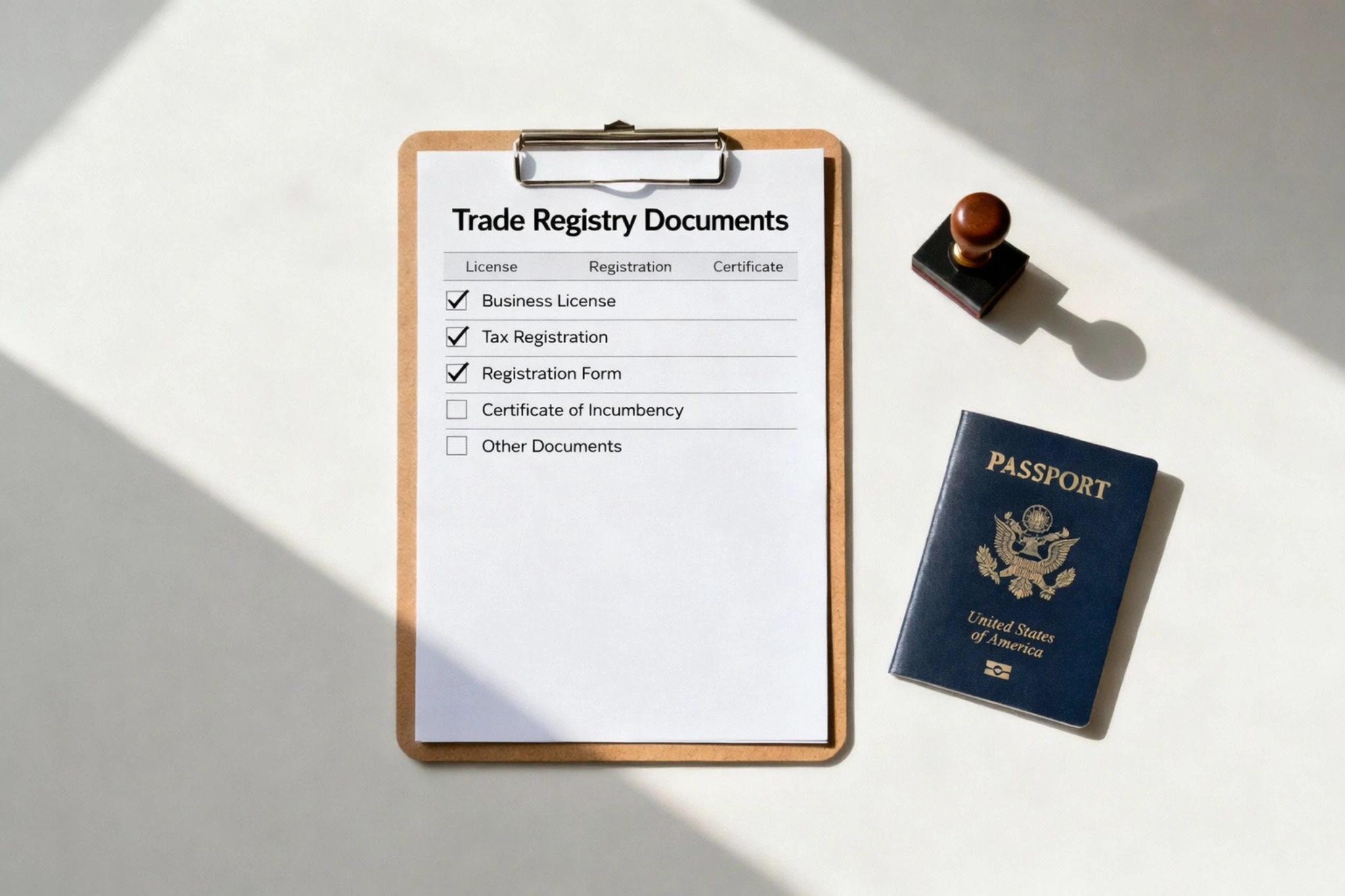
What You Need to Prepare Before Filing Your Trade Registry Application
The Essential Notary and Registry Document Pack
Your first task requires you to collect all essential documents which will serve as the base for your submission. The list of essential documents remains the same for both Limited Liability (LLC) and Joint-Stock Company (JSC) but their exact composition might vary slightly. These documents prove that everyone is on board and the company has formally green-lit the change.
Here’s a breakdown of the non-negotiables:
Notarised Board Resolution: The official approval of your company exists as a notarised Board Resolution document. The document needs a complete explanation of the partnership method between share transfer and capital increase together with the total number of shares and the complete details of the new partner.
Share Transfer Agreement: If shares are being sold, this notarised contract is the key legal document. It must be signed by both the seller and the buyer, right there in front of the notary. No exceptions.
Updated Share Ledger (Pay Defteri): The Updated Share Ledger (Pay Defteri) needs immediate entry of ownership changes because it functions as the official ownership register for your company. The new entry requires company directors to verify it through their signature for official record purposes of the transfer process. The LLC needs to finish this process immediately because it stands as an essential requirement.
New Partner’s Information: You need to get a notarized version of their ID card for Turkish citizens or their passport for foreign nationals. The organization requires the full address of the company along with its Turkish tax ID number.
The complete story emerges from these documents which form a single complete account. The resolution demonstrates that the company has given its approval for the transaction while the agreement shows all details of the deal and the share ledger confirms the transaction and the ID document proves the new owner’s identity.
Special Considerations for Foreign Partners
The situation becomes more complicated when your Turkish business receives an investment from a non-resident partner. The Turkish government needs to verify all official documents received from foreign countries to determine their current status. This is where you really need to be on your game.
First and foremost, any official document from outside Turkey needs an apostille. This is an international certification that verifies the document’s authenticity. A power of attorney or corporate resolution from a foreign parent company requires an apostille stamp to obtain Turkish notary approval.
On top of that, a foreign individual needs a Potential Tax Identification Number (Potansiyel Vergi Numarası). They can’t become a shareholder or conduct any formal business in Turkey without one. It’s a pretty straightforward process at a local tax office, but it absolutely must be done before you head to the notary.
People commonly make the error of believing that basic translation work fulfills their requirements. It’s not. The document needs to be notarised here in Turkey, and if it came from abroad, it must have an apostille from its home country. The two-step verification process creates legal authority which allows this system to operate under our jurisdiction.
Simplify your business setup with Workon’s all-in-one company registration service in Turkey.
Navigating the Trade Registry Submission
Your last destination requires you to visit the Turkish Trade Registry while carrying all your notarized documents. The online submission process for the initial submission occurs through the MERSIS (Central Registration System) portal but you must present the actual documents in person. The registry needs to perform official documentation of the change which will become legally enforceable through publication in the Trade Registry Gazette.
The following sequence describes what usually happens in this situation.
Online Application: The first requirement needs you to submit your application documents along with scanned supporting documents through MERSIS.
Physical Submission: You need to visit your local Trade Registry office with the original documents which have been notarized.
Review by Officials: A registry official will perform a detailed examination of your entire file. The team conducts a comparison between your company data and their collected information which includes names and dates and share values and signatures.
Registration and Publication: If everything checks out, the change is registered. The Turkish Trade Registry Gazette will publish an official announcement about company registration after the company starts operating for several days.
The registry will request modifications to your application after you submit your application. It happens all the time. The committee uses this process to make small changes which include modifying the language found in the resolution. The solution needs to start right away because the customer request has become the most important matter to resolve. The MERSIS system will alert you about system problems which require your immediate action to continue your application process.
Bringing Foreign and Non-Resident Partners On Board
Your Turkish company needs to follow additional steps to welcome your new international partner who resides outside Turkey. The fundamental process of share transfer or capital increase remains identical yet you must follow particular international partner rules which apply to these transactions.
Your business will gain access to worldwide talent and investment and new market opportunities through proper implementation of this strategy. The key to success lies in understanding all necessary steps at the beginning to prevent work interruptions which will result in a problem-free welcome process for your incoming team member.
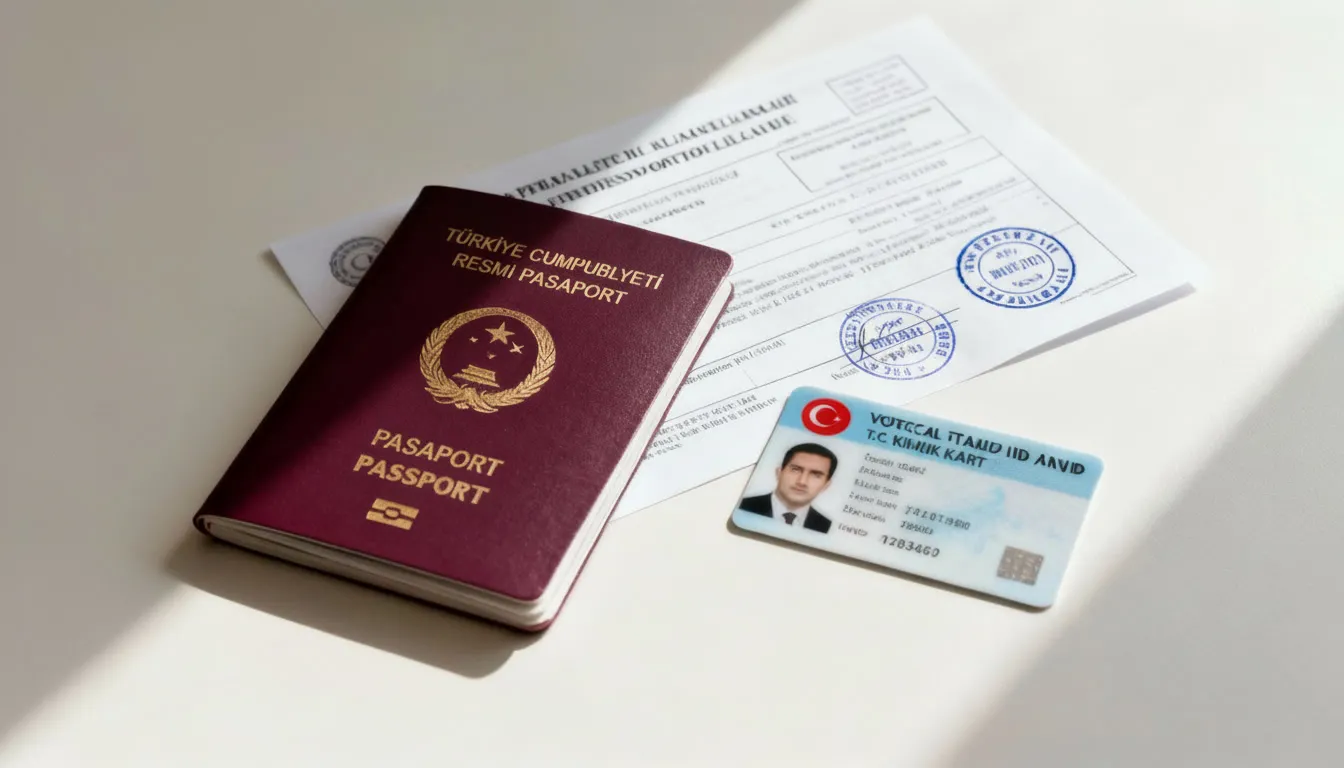
Passport, ID, and Verified Paperwork for Company Shareholding
Getting the Essential Paperwork in Order
First things first: before any agreements can be notarised, a foreign partner absolutely must get a Potential Tax Identification Number (Potansiyel Vergi Numarası). Think of it as their entry ticket into the Turkish commercial system. The requirement stands as an absolute necessity but users can complete it through a simple procedure. The process requires them to go to a nearby tax office where they must show their passport which needs to be valid.
The process requires them to obtain official documents which they need to bring from their home nation. Official documents which include power of attorney and corporate resolutions from foreign parent companies and passport copies must undergo proper legalisation procedures. A standard translation process will not produce the required results. The document must have an apostille certificate, an international stamp of approval under the Hague Convention that makes it legally valid in Turkey. The apostille document serves as the only acceptable proof which Turkish authorities will verify.
Navigating Cross-Border Capital and Profits
Bringing a foreign partner into the fold usually means capital is coming into Turkey. This process is generally quite smooth, but you have to follow Turkish banking and foreign exchange rules. The new partner needs to send their investment money to the Turkish bank account of the company while maintaining all required documents to fulfill the agreement terms.
The process requires developers to predict how their investments will generate future financial returns. How will your new partner get their dividends back home?Turkey has bilateral investment treaties with over 80 countries, many of which include provisions to prevent double taxation. The agreements help foreign partners decrease their dividend tax expenses which makes the business venture more appealing. It’s always a good idea to chat with a financial advisor to understand how the specific treaty between Turkey and your partner’s country works.
A common mistake is focusing only on the initial investment. Your ability to plan profit repatriation and understand tax treaty effects at the start of operations will create enduring financial transparency while demonstrating to your international business partner that you maintain control of all operations.
Sorting Out Residency and Work Permits
Does your new foreign partner plan to move to Turkey and work in the business?You need to follow additional rules which apply to your situation. The owners of company stock who are shareholders do not automatically get permission to live or work in the territory.
If they’ll be taking an active, hands-on role, they must apply for a work permit. The approval process depends on three main factors which include company capital and Turkish employee numbers and the exact job title of the partner. For a deep dive into this, our detailed guide on obtaining residency through company ownership in Turkey is a great resource.
The first implementation of these requirements helps all stakeholders understand future procedures which enables organizations to develop their strategic plans. Turkey attracts increasing foreign direct investment (FDI) because the country received $12.3 billion in foreign capital during the previous year which showed a 15% growth. The company invested 35% of its total funds into joint ventures which demonstrated its international business confidence. The investment streamlines its focus toward three main sectors.
Manufacturing (30%)
Energy (25%)
Information Technology (20%)
This trend is backed by Turkey’s extensive network of investment treaties, which you can learn more about by reading up on Türkiye’s investment climate and FDI trends on state.gov. This legal framework provides protections that make bringing foreign partners on board a much more secure and predictable process.
Avoiding Common Pitfalls and Finalising the Integration
Our company has reached its final stage because we obtained official Turkish Trade Registry registration for our new business partner. The organization needs to complete its essential administrative work before anyone can start celebrating their progress.
The ball-dropping practice happens often which leads to banking issues and team members getting confused and could result in major legal issues for future situations. The partnership started its business operations after finishing the integration process successfully.
Critical Post-Registration Admin Tasks
Organizations begin their process by updating documents after ink dry marks appear on documents before they start notifying their external contacts. The organization needs to perform its regular business operations through its existing ownership system.
A classic mistake we see all the time is forgetting to update the company’s official share ledger, known as the ‘Pay Defteri’. For a Limited Liability Company (LLC), this entry is the final, internal stamp that solidifies the transfer. The long duration required to get this signature has created legal uncertainty about when ownership rights transferred between the two involved parties.
People need to visit the notary’s office which creates frustration for them. The failure to bring all necessary documents when workers arrive at the site results in the majority of project delays. Your appointment process requires verification of all signatures present in the board resolution and foreign documents need apostille certification to move forward with your appointment.
Creating a Smooth Operational Handover
The organization needs to start sharing its information after completing the internal record organization process. Updating your company’s external-facing information is crucial for keeping business running smoothly and maintaining clear communication with everyone you work with.
The following checklist provides you with step-by-step instructions to complete this task.
Update Bank Mandates: our bank needs to be one of your first calls. The company needs to update its signature circulars because these documents will allow the new partner to execute all account-related tasks.
Notify Stakeholders: Your business partners including clients and suppliers need to learn about the change through official communication from you instead of discovering it through rumors. A company should issue positive announcements which create a stable environment because they prevent gossip from spreading while demonstrating the organization’s continued progress.
Amend Shareholder Agreements: If you have an internal shareholder agreement (and you should), it absolutely must be amended or completely redrafted to include the new partner. The section requires you to define all rights and duties and essential termination provisions which need to be included.
Organizations which maintain open communication and execute their administrative tasks with precision will achieve successful transitions instead of disorganized ones. The whole point is to iron out any operational grey areas before they can cause real trouble.
The final stage requires equal attention to legal procedures because they establish a stable base which enables successful business partnerships to develop. The last stage of implementation ensures your Turkish company achieves complete business-wide transformation of partner integration which brings success to all team members.
Frequently Asked Questions
Your search for a new business partner in Turkey will likely generate multiple questions about the process. The entire process needs absolute precision throughout all its components. Here are some of the most common queries we hear from business owners, answered with the practical advice you need.
Can Any Type of Company Add a New Partner?
Absolutely. Both Limited Liability Companies (LLCs, or Limited Şirket) and Joint-Stock Companies (JSCs, or Anonim Şirket) are structured to allow new partners. The main distinction emerges from the methods which you use to accomplish your goals.
The LLC registration process requires businesses to complete additional formal procedures which differ from the requirements of other business structures. The process requires both a notarized share transfer agreement and official board approval which needs to happen through a formal resolution. JSCs function through their established organizational frameworks which direct their business operations. The articles of association from your company determine what steps need to happen for a share transfer which might include only an endorsement on the share certificate and an update to the internal share ledger. The JSC route enables quick processing of cases which require no need for public disclosure of documents.
How Long Does the Entire Process Take?
The official process becomes fast after all team members agree on the plan and finish their required documentation. The notary part can be done in a single day, as long as all parties are present.
From there, getting the change registered with the Turkish Trade Registry (Ticaret Sicil Müdürlüğü) usually takes between 3 and 7 business days. The biggest variable here is the quality of your documentation. The speed of process completion depends on the first attempt at perfection because any small mistake will create additional delays.
What Are the Tax Implications?
The deal success depends on the particular agreement terms which you need to determine.
If you go the share transfer route in an LLC, the tax situation for the seller is key. The shares held for less than two years will trigger income tax when investors sell their shares. Hold them for more than two years, and the sale is generally tax-exempt.
The capital increase method for partner entry does not require new funds to be reported as company income. Instead, they’re just recorded as an increase in the company’s equity, which is a much simpler tax event.
Key Takeaway: Always run your plan by a tax advisor. They will determine the precise tax effects which affect your particular case especially when foreign partners participate and double taxation treaties need to be considered.
Do Foreign Partners Need a Work Permit?
The analysis requires special attention to this essential detail which most people tend to ignore. Just owning shares in a Turkish company doesn’t give a foreign partner the right to work in Turkey.
If the new partner is going to be actively involved in managing the business and living in the country, they’ll need to apply for a work permit separately. The system functions through its own special operating system. You need to address this issue right away during your first meeting to create mutual understanding between all participants.
The process of adding a partner through legal and administrative procedures appears complex yet you will discover help during this time. The team at Workon dedicates their entire existence to this work. Our team provides Turkey-based company formation and management services through a simple process which includes detailed handling of all necessary steps.
The team will manage all necessary documents so you can focus on building a successful business alliance. Learn more about how we can support your business by visiting us at workon.com.tr
You can add a partner either by transferring existing shares or issuing new shares through a capital increase. Each method requires formal agreements, board approval, notarization, and Trade Registry registration.
A share transfer changes ownership among current and incoming shareholders without increasing company capital. A capital increase issues new shares, injects fresh funds into the company, and dilutes existing ownership.
Yes. Foreign partners typically need an apostilled set of documents, notarized translations, and a Potential Tax Identification Number before notarization and registration.
With correct documentation, notary execution and Trade Registry registration usually require 7–10 business days. Delays occur when resolutions, signatures, or translations contain errors.
It depends on the method. Share sales may trigger tax for the seller, depending on holding period. Capital increases generally increase equity rather than taxable income, but professional tax advice is essential.
Subscribe to Newsletter
Be notified of the latest news in the business world quickly