Liaison Office vs. Branch in Turkey: A Quick Guide
13.01.2026
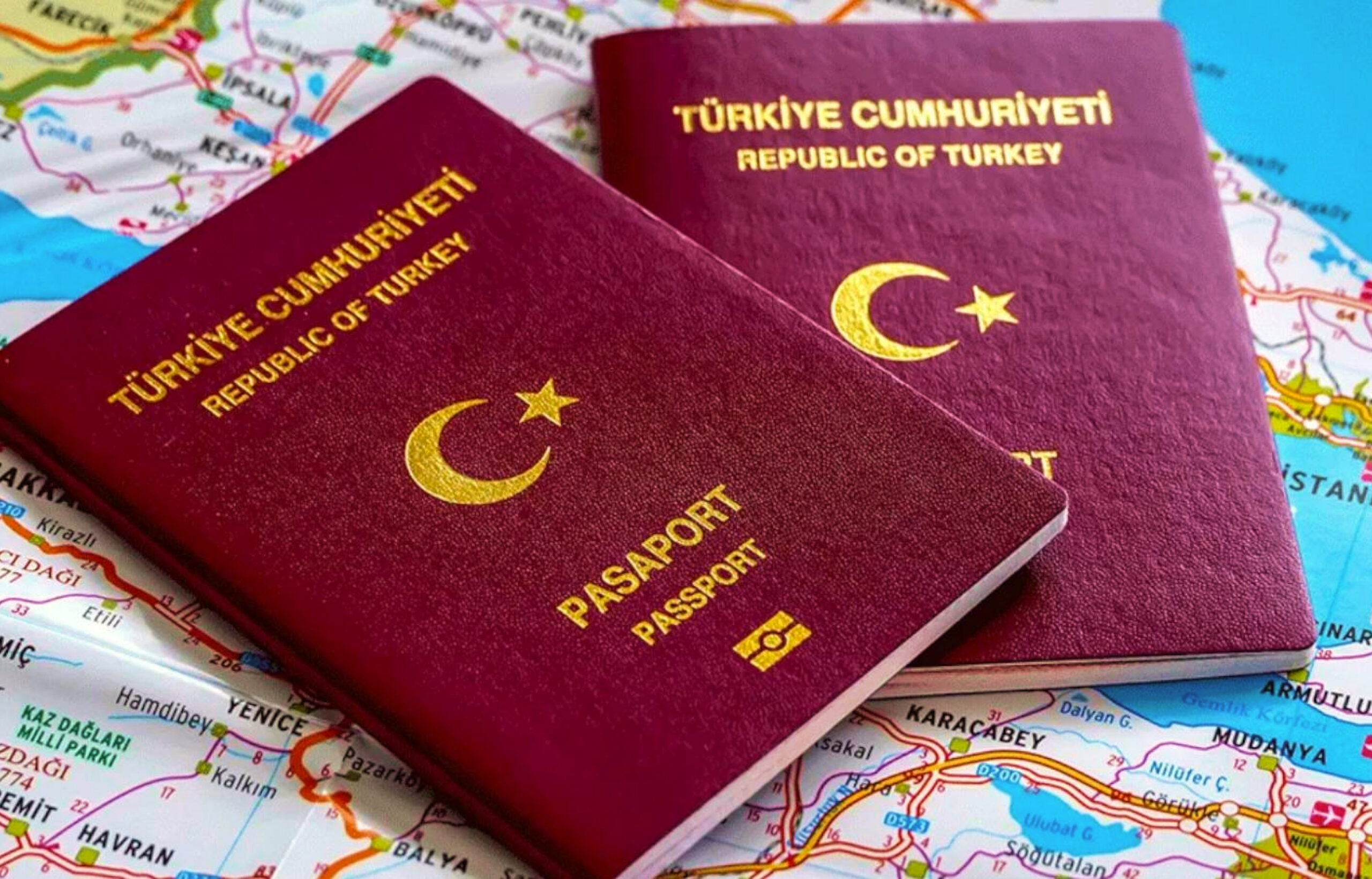
So, you’re looking to establish a footprint in Turkey. Your first essential choice will be to establish either a liaison office or a branch. Liaison office vs branch in Turkey is one of the first strategic decisions foreign companies face when entering the Turkish market. A liaison office operates as your organization’s physical observation system which allows you to perform market research and build connections with future business partners. A branch, on the other hand, is your sales force, a full commercial arm of your parent company ready to generate revenue. Your ultimate business goals will point you to the right choice.
Getting the legal structure right from the start is a massive step for any foreign company planning to operate in Turkey. This single decision sets the stage for everything that follows: what you’re allowed to do, your tax obligations, and your overall operational freedom. Before you get lost in the paperwork, it’s vital to map out your business objectives and start developing a comprehensive go-to-market strategy.
Liaison office vs branch office decision for foreign companies entering Turkey
A liaison office functions as a strategic location which serves as an outpost. The company can use this approach to enter the Turkish market while maintaining minimal financial and legal responsibilities for testing market potential and developing business relationships and understanding local business practices. Crucially, it is legally barred from generating income.
A branch office, in complete contrast, is built for business. The entity operates as a complete extension of your parent organization which holds full authorization to execute business contracts and generate invoices and conduct all commercial operations. This is the ideal route if you’re ready to hit the ground running and start selling your products or services.
Understanding the Core Differences
The two terms have distinct definitions which create actual operational effects that affect your business operations and determine your future strategic choices. If you’re weighing all the possibilities, our detailed guide on which company type you should choose in Turkey offers a much broader look.
We will concentrate on the fundamental requirements at this time.
Your decision depends on your current purpose which is to explore and prepare or to sell and earn. The answer to this question enables you to select between a liaison office and a branch based on your business goals at present.
The following explanation will help you understand the main distinctions between these elements.
Quick Comparison: Liaison Office vs. Branch Office
The table provides essential information about the main distinctions between Turkish liaison offices and branches which enables you to understand their fundamental aspects quickly.
Feature
Liaison Office
Branch Office
Primary Purpose
Market research, representation, coordination
Commercial sales and profit generation
Commercial Activity
Strictly prohibited
Fully permitted
Legal Status
Non-commercial extension of the parent
Commercial extension of the parent
Corporate Taxation
Tax-exempt on income
Subject to Turkish corporate tax
Revenue Generation
Not allowed
Allowed and expected
The liaison office operates as a reconnaissance organization but the branch operates as a revenue-producing entity. Your Turkish business needs to choose between these two methods because their fundamental differences will decide which path to take for future development.
Legal and Operational Frameworks Compared
When you’re looking to establish a presence in Turkey, your first big decision is choosing the right structure. Two common routes are the liaison office and the branch office, but they’re worlds apart in what they allow you to do. The initial selection of business structure choice will determine your legal position and operational abilities which will eventually impact your ability to succeed in Turkey.
A liaison office is essentially a non-commercial outpost of its foreign parent company. It has no legal personality of its own, meaning it can’t act independently. The entity functions as a representative which operates under parental authority but must avoid all business activities that generate revenue.
A branch office, on the other hand, is built for business. The facility operates as a standalone commercial operation which belongs to the parent company. The system allows Turkish businesses to create invoices and perform deal signings which result in profit generation within Turkish territory. The organization operates with complete independence from a liaison office but it needs to handle more complex duties.
Visual comparison of non-commercial liaison offices and revenue-generating branch offices under Turkish legal regulations
Defining the Scope of Permitted Activities
The actual implementation of plans takes place at this stage. The legal authorization which Turkish liaison offices and branches receive determines their primary difference between them. The Ministry of Industry and Technology enforces these rules as absolute regulations which result in severe penalties for any violations.
A liaison office functions with limited authority to perform non-commercial tasks which include planning events and offering support services. The scope is narrow and must be clearly defined and approved when you apply. Typically, this includes activities like:
Market Research: Market Research requires organizations to analyze market conditions through the combination of trend analysis and competitor behavior observation and customer demographic studies.
Supplier Coordination: The organization created this position to check local suppliers through parent company inspections which help preserve product quality standards.
Representation and Networking: The position requires me to participate in trade shows for building connections between people while I need to build professional connections with people from the local community.
Technical Support: The company offers free technical support to all its Turkish business partners and customers.
A liaison office must avoid all activities which generate financial profits. Any effort to produce revenue will result in your office being shut down right away while you must pay substantial penalties.
A branch office, however, has the green light for commercial activity. It’s designed to carry out the same business as its parent company. The system has the ability to:
The platform lets users show their products and services to their core Turkish customer base directly.
The system allows users to create official invoices and process payments through its system.
The organization needs to establish legally binding agreements through local partnerships which it develops with its clients.
Import goods for sale on the Turkish market.
A branch possesses the ability to execute all operations which its parent node can perform. If your goal is to start selling from day one, this is your only real option.
Liability and Legal Responsibility
The two parties maintain different views about who should take responsibility for this situation. Since neither a liaison office nor a branch is a separate legal entity like a Turkish limited liability company (LTD), the parent company’s risk exposure is vastly different for each.
With a branch office, the foreign parent company is fully and directly liable for all debts, obligations, and legal troubles the branch encounters in Turkey. There’s no corporate veil to hide behind. The branch’s liabilities are the parent company’s liabilities, plain and simple. Any business that wants to minimize risks needs to avoid this unlimited liability structure.
For a liaison office, liability is contained. The parent organization must pay for operational expenses which include building payments and staff compensation but the office cannot obtain business loans or create money-making agreements so its total financial risk remains small.
When mapping out the operational framework, staffing is another key consideration. It’s worth exploring different models, and this guide on outsourcing versus in-house staffing offers some great insights into managing local teams efficiently for either structure. Ultimately, the choice between a liaison office and a branch boils down to your intended activities and tax obligations. For a deeper dive, you can discover more insights about the tax implications of Turkish business structures on turkish-tax-and-accounting.com.
Analyzing Tax and Financial Obligations
The choice between opening a liaison office and a branch in Turkey depends primarily on financial factors. Your operational budget and long-term strategy depend on tax and financial implications which form essential factors. The two structures operate as financial opposites which exist at different points of the financial range. One offers a nearly tax-free way to test the waters, while the other dives headfirst into the full Turkish corporate tax system.
You need to evaluate the information to understand how it will affect your financial results.
A liaison office exists as a cost centre according to its definition. Its legal mandate prevents it from making a single lira in revenue, which means it’s completely exempt from corporate income tax in Turkey. This is its biggest financial superpower. Your organization can establish market presence while gathering market data and supporting local operations through this system which avoids the need to file corporate taxes.
The term “tax-exempt” indicates organizations do not pay taxes but it does not imply their operations have no expenses. A liaison office needs to pay its staff members and maintain office facilities which require financial resources for operation.
Comparing tax exemption and corporate tax liabilities for foreign companies in Turkey
What a Liaison Office Pays
Even without profit-based taxes, a liaison office has several key financial responsibilities to manage:
Withholding Tax (Stopaj): The office acts as an agent for the tax authority, deducting income tax from employee salaries and paying it on their behalf. This also applies to things like rental payments for your office. For a complete picture of how this works, check out our guide on withholding tax in Turkey.
Social Security Premiums: For any staff hired locally, making both employer and employee contributions to the Turkish social security system (SGK) is non-negotiable.
Value Added Tax (VAT): The office must pay Value Added Tax (VAT) for all its local buying activities which include paper clips and electricity bills. Since it can’t generate income, it has no mechanism to reclaim this VAT.
Stamp Duty: The tax appears on different official documents which include employment contracts and your office lease agreement. The liaison office needs to manage all payment operations.
Key Insight: The creation of liaison offices enables businesses to reduce their expenses because they do not need to withhold Turkish income tax from foreign currency payments made to employees who work outside Turkey through international bank accounts. The method will result in major decreases to your organization’s payroll expenses.
Full Tax Exposure for a Branch Office
A branch office is an entirely different story. It’s set up to do business and make money, so it’s treated as a full-fledged commercial entity by the Turkish tax authorities. The company needs to handle all corporate tax types because this situation creates new financial management difficulties.
A branch facility requires significant financial resources to operate. A branch is on the hook for a 25% corporate tax on its Turkish profits and a 15% withholding tax when sending those profits back home to the parent company. The two business structures have equal employment tax requirements yet their profit-based taxation systems create a major difference between them. The main reason behind foreign company branch establishment exists because it allows businesses to start commercial operations right away which is why more than 30% of foreign companies choose this setup.
Simplify your business setup with Workon’s all-in-one company registration service in Turkey.
A branch needs to fulfill these essential tax requirements which form its core tax responsibilities.
Corporate Income Tax: The Turkish operations generate profits which face a 25% tax rate that applies to all their profits.
Withholding Tax on Profit Repatriation: The branch needs to keep 15% of its profits before it can send any funds to the head office.
Value Added Tax (VAT): VAT must be applied to all goods and service transactions which occur through branch operations. The process demands businesses to submit their VAT returns on a monthly basis while they must also pay all collected taxes to the government.
Stamp Duty: The scope is much wider for a branch. The Australian government requires payment of stamp duty for all commercial documents which include sales contracts and financial agreements and official papers.
On top of all this, branches have to deal with complex compliance issues like transfer pricing. The branch needs to establish prices for all transactions with its parent company which should reflect independent company dealings. This rule is in place to prevent companies from artificially shifting profits out of Turkey and adds a serious layer of accounting scrutiny that a liaison office simply doesn’t have to worry about.
Tax Liability Breakdown: Liaison Office vs. Branch
The following table presents the primary tax responsibilities which we will examine together.
Tax Type
Liaison Office
Branch Office
Corporate Income Tax
Exempt (as it cannot generate profit).
25% on all net profits earned in Turkey.
Withholding Tax
Applies to employee salaries and rental payments.
Applies to employee salaries, rental payments, and a 15% tax on repatriated profits.
Value Added Tax (VAT)
Pays VAT on purchases but cannot claim it back.
Charges VAT on sales, pays VAT on purchases, and files monthly returns.
Stamp Duty
Applies to specific documents like employment and lease agreements.
Applies to a much broader range of commercial and financial documents.
Your ability to handle financial problems and organizational management responsibilities will help you decide between these two options.
Getting Set Up: The Registration Roadmap
The process of entering the Turkish market through either a liaison office or a branch location will produce distinct results. The process involves submitting an application to one ministry for the first option but requires a complete commercial registration process for the second option. A company needs to understand all entry methods for the Turkish market to create effective budget plans and schedule projections.
The two setups require interaction with separate government organizations which demand varying amounts of documentation and time spent on the process. Your Turkish operations need to begin with proper first steps because this method prevents operational delays while building an appropriate legal framework for your business activities.
The Liaison Office Path
Setting up a liaison office is a relatively direct process, managed entirely by the Ministry of Industry and Technology. The whole game here is about proving your parent company is a legitimate, functioning business and spelling out exactly what non-commercial activities your office will be doing.
Your task involves creating a document collection which originates from your parent organization. The must-haves include:
A Certificate of Activity: A Certificate of Activity serves as an official document which the home country’s chamber of commerce issues to prove your business operates actively while maintaining good standing.
Recent Financials: You need to get your company’s present-day balance sheet or annual report to show its financial stability.
A Detailed Activity Plan: The liaison office in Turkey will execute particular non-commercial duties which are specified in this declaration.
Outside Turkey documents need both notarization and apostille certification to be considered valid. The Turkish authorities need this document to approve their entry. The Ministry will issue your first permit after your application gets approved which will remain valid for three years.
The first permit approval exists for particular business activities which include market research and supplier auditing purposes. Your goals need to change before you can start doing something different because you will need to return for permit modification approval.
The Branch Office Path
Registering a branch, on the other hand, is a much more involved affair that runs through the Turkish Trade Registry. The process begins by handling the branch as a commercial business which needs to create detailed legal and corporate documentation. The process requires more than an application because it functions as an official business registration procedure.
This route requires several key steps that simply don’t exist for a liaison office. The board of directors from your parent company needs to approve a formal decision which will enable the establishment of your Turkish branch.
The organization needs to select a representative who will operate from Turkey to function as the official legal representative of the branch. The person who holds legal authority needs to pick someone who will get their selection. You’ll also need to prepare a Turkish-compliant version of your parent company’s Articles of Association. For a complete deep-dive, our guide on how to register a branch office in Turkey walks you through every detail.
The following section describes the essential conditions which must be met before starting a branch operation.
Parent Company Board Resolution: The Parent Company Board Resolution serves as an official document which authorizes branch establishment and selects the branch manager through notarized approval.
Power of Attorney: The Power of Attorney document gives the designated representative full authority to operate the branch.
Articles of Association: A localised version that defines the branch’s purpose and how it’s governed.
Trade Registry Filing: The process of submitting all required documents to the local chamber of commerce for official processing.
Tax Office Registration: The tax ID number process for the branch ends with this step.
A branch needs to handle more administrative work because it has the authority to operate as a business entity which produces financial revenue. The entire process needs an extended period of time which requires immediate legal and administrative assistance to complete the process.
Choosing Your Path: When to Pick a Liaison Office vs. a Branch
The process of choosing between a liaison office and a branch requires more than following the requirements on a legal document. It’s a strategic choice that needs to align perfectly with what you actually want to achieve in Turkey.
Theoretical concepts need to be discarded because they fail to operate effectively in actual real-world situations. You can identify your business targets by studying real-world examples which will help you pick the best organizational structure for your operations.
When a Liaison Office is Your Best Move
The liaison office functions as your initial connection point which you need to contact before you decide on any important matters. The setup enables businesses to establish their operations in Turkey through which they can start their operations before they begin selling their products and generating revenue in the local market. The primary goal of this activity requires intelligence collection through building relationships with people.
A liaison office is the smart choice if your main goals are:
Market Research and Feasibility Studies: You need to get the lay of the land. Your team requires a legal framework to conduct Turkish market analysis and competition assessment and customer preference identification before you can proceed with expanded business investment.
Building a Local Network: Your method to find business partners involves participating in industry conferences and establishing relationships with people who control essential business networks. A liaison office gives you a professional address and a legitimate platform to do this from.
Supplier and Quality Control: Your business depends on Turkish manufacturers. Your organization needs local staff members to track manufacturing activities while they ensure product excellence and establish links between your main office and distribution network.
Preparing for a Future Launch: Your company plans to launch into the market although you require additional time to establish the necessary conditions. A liaison office performs three main functions which include pre-launch marketing activities and promotional work and all necessary administrative tasks required for establishing a future branch or subsidiary.
A liaison office operates as the core strategic operational base which serves as the foundation for your organization. The method works for organizations which want to create enduring success through data management and planning instead of pursuing immediate financial profits. You get to maximise market intelligence while minimising risk.
This simple decision tree gets to the heart of the matter.
A simple decision tree explaining why a liaison office is the right structure when no commercial activity is planned in Turkey
As you can see, the single most important question in the liaison office vs. branch in Turkey debate is whether you intend to generate revenue.
When a Branch Office is the Right Choice
A branch office is for when you’re ready to get down to business. It’s an active, revenue-generating extension of your parent company, designed for businesses that want to transact and compete directly in the Turkish market from day one.
You should go for a branch if your company is ready to:
Engage in Direct Sales and Services: Your main objective is to sell products or provide services directly to customers in Turkey. A branch gives you the legal power to issue invoices and collect payments locally.
Execute and Sign Contracts: Your business model needs you to establish legally enforceable agreements with all your clients and distributors and local partners. Only a commercially registered entity like a branch can do that.
Import Goods for Resale: You need to bring products into Turkey and sell them through local channels. A branch can manage the entire import and sales process.
Bid on Public or Private Tenders: To participate in Turkish tenders, you need an official commercial presence. A branch gives you the legal permission needed to go after those contracts.
The process of choosing a branch demands absolute commitment from the person. Your research activities become evident through this information because you aim to build a successful enterprise which will create enduring financial prosperity. A business should progress to this stage after it has finished its exploratory phase because it now seeks to gain control of its target market.
Your strategic approach should determine which organizational structure you will choose. A liaison office serves the planner and researcher. A branch empowers the seller and the operator. Your current goals will reveal the right path which you should follow.
Frequently Asked Questions
The evaluation process between establishing a liaison office and a branch in Turkey requires organizations to answer specific essential questions. We need to resolve your outstanding questions which require clarification before you make your last decision.
Can a Liaison Office Be Converted into a Branch?
Yes, but it’s not a simple switch. The process requires a two-stage development approach because it functions as two separate development stages instead of a single conversion process. Foreign businesses start their operations through liaison offices which function as experimental bases before they create commercial facilities.
The process involves first officially closing down the liaison office with the Ministry of Industry and Technology. The company needs to finish all required steps before it can begin the registration process for a new branch office at the local Trade Registry. The established process leads to commercial success through its method which starts with market research.
Are There Restrictions on Hiring Staff for a Liaison Office?
Absolutely. A liaison office has the authority to employ both Turkish citizens who live in the country and foreign workers but it must follow specific employment regulations for each group. You can hire as many local staff as you need to handle your non-commercial tasks.
The foreign staff members face continued limitations in their work environment. The initial permit usually only allows for one authorised foreign representative to get a work permit. Regardless of nationality, all staff must be registered with Turkey’s social security system (SGK), and the liaison office has to handle their income tax withholdings.
A key point to remember: if you pay your liaison office staff in foreign currency, directly from your parent company’s overseas bank account, their salaries are exempt from Turkish income tax. This can be a major financial plus.
What Are the Penalties for Commercial Activity in a Liaison Office?
The rule against commercial activity stands as an absolute prohibition which law enforcement agencies enforce with great dedication. The discovery of any revenue-generating activity by your liaison office will result in major consequences.
The Ministry holds the power to take away your operating permit at any time which would force your business to close down right away. The tax authorities will start an audit process which will force them to treat your office as an unregistered business. The practice results in back taxes together with substantial fines and interest penalties which eliminate any potential financial benefits you expected to achieve. The area exists as a boundary which humans must always stay beyond.
Does a Branch Office Need a Turkish Resident Manager?
It does. The branch requires someone who possesses full operational authority to serve as its representative and manager. This person doesn’t have to be a Turkish citizen, but they must reside in Turkey.
The process serves a purpose which extends past its status as a standard operating procedure. The residency rule requires a person to maintain a legal representative who resides in the country for answering to local law enforcement and financial institutions and judicial bodies. The organization needs to select appropriate personnel because the manager maintains substantial authority which serves as a critical element for risk management and governance in the Turkish market.
Organizations need to handle various complex factors when they choose between creating a liaison office or a branch. Workon exists to provide users with an easy path through their professional development process. From handling the initial paperwork to keeping you compliant, we manage the complexities so you can focus on building your business in Turkey. Explore our company formation services today and let us get you started on the right foot.
Subscribe to Newsletter
Be notified of the latest news in the business world quickly