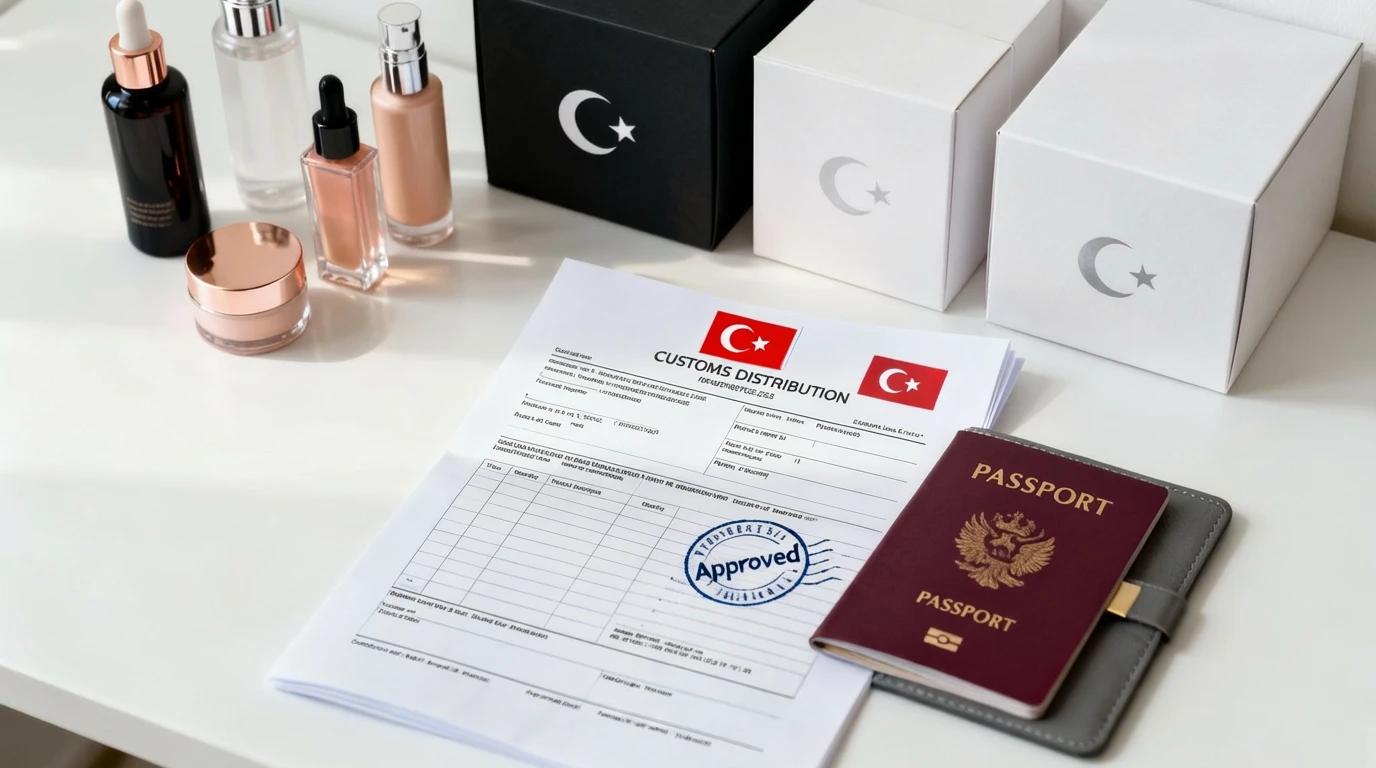
The process of importing cosmetics into Turkey requires more than obtaining a single import license with a stamp. The Turkish Ministry of Health operates this process which requires all businesses to submit both self-declaration information and product notification data. The system operates to protect consumer safety and maintain product quality starting when your products reach their destination.
Getting to Grips with Turkey’s Cosmetic Import Rules
The first step to enter the Turkish cosmetics market requires knowledge of its specific regulatory framework. The Turkish government uses manufacturer declarations together with direct product notifications instead of traditional import licenses for its import procedures. The importer together with the brand must demonstrate their products fulfill strict safety and quality requirements before any product becomes available for sale.
The market serves as the foundation for this method. The Turkish market shows strong interest in international beauty brands which results in substantial cosmetic product imports. The notification system enables the Ministry of Health to monitor all incoming data while preventing an overwhelming administrative process. The system enables new popular products to enter the market through an efficient process provided they meet all necessary compliance requirements.
Why a Notification System?
The entire process depends on two essential components which include the Product Information File (PIF) and the TİTCK online portal notification submission.
The PIF functions as an extensive resume which presents your product’s complete profile. The document must include all necessary information which includes detailed formula descriptions and raw material specifications and manufacturing procedures and complete safety evaluation results.
The system performs three essential operations.
Keeps Track of Everything: It creates a digital footprint for every single cosmetic product legally sold in Turkey. This lets authorities instantly trace a product back to its origin and the company responsible for it.
Guarantees Safety: By demanding documents like Good Manufacturing Practices (GMP) certificates, the system confirms that products are made in safe, controlled environments.
Informs and Protects Shoppers: It makes sure all product information, especially the labelling, is accurate, transparent, and in Turkish. This stops misleading claims and helps consumers make informed choices.
The main point to understand is that your organization must prove its case. The government does not need to grant licenses for every product before they can enter the market. The system bases its operations on a trust-but-verify approach which requires complete documentation and continuous market surveillance to confirm adherence to rules.
A Market That Loves Imports
The market numbers explain why the company needs to follow this strict notification system. International brands control the majority of the Turkish cosmetics market. The beauty product imports of Turkey reached USD 568 million during 2023 which made the country the 27th biggest beauty product importer worldwide. The market demands such a large quantity of products which China and Russia and Germany supply through their export of beauty and makeup items.
The company needs to establish an unbreakable import strategy because it depends on foreign-made products. New business owners need to learn about the proper process for establishing an import-export company in Turkey as their initial step. The website https://workon.com.tr/en/import-export-company-setup-turkey/. provides additional information about this process. Your business needs to establish a solid foundation for cosmetic regulations because it will operate under customs and distribution laws. The guide to import and export trade provides international trade regulations information which helps users understand multiple market requirements.
Cosmetic product notification through the TİTCK system is the core requirement for obtaining an import license for cosmetics in Turkey.
Getting Your Paperwork in Order
Your success in entering the Turkish cosmetics market depends entirely on how well you prepare your documentation. Your main responsibility before using the online notification system requires you to collect and prepare all necessary documents which need to be perfect. The Turkish authorities require more than formal paperwork because they need to verify your products meet safety standards and follow international manufacturing protocols.
Your import strategy needs this element to serve as its starting point. The entire process becomes halted when a single missing signature or an expired certificate or an incomplete product file is detected which results in expensive customs delays or complete product rejection. The establishment of correct procedures at the first stage becomes an absolute requirement.
The “Big Three” Certificates
The extensive document list contains only three essential certificates which form its foundation. The Turkish Medicines and Medical Devices Agency (TİTCK) will conduct a thorough examination of these documents to verify your product meets safety standards and follows all necessary regulations.
Certificate of Free Sale (CFS): This is your golden ticket, proving the product is already legally sold and approved for consumers in its home country. It’s a powerful signal to Turkish regulators that another competent authority has already given it the green light. Make sure it’s recent, officially issued, and properly apostilled or notarised.
Good Manufacturing Practices (GMP) Certificate: This document is all about how and where your products are made. It verifies that they are consistently produced and controlled according to strict quality standards. Turkish authorities are specifically looking for internationally recognised standards like ISO 22716.
Material Safety Data Sheet (MSDS/SDS): This provides a transparent, detailed breakdown of every substance and mixture in your cosmetic product. It outlines potential hazards and safety precautions, ensuring total clarity on the chemical makeup of what you’re importing.
The three documents prove to be the most common reason which causes applications to fail their assessments. An expired CFS serves as an immediate warning which will immediately terminate your application process.
Breaking Down the Product Information File (PIF)
The Product Information File (PIF) stands as the essential documentation element which surpasses all other core certificates. The file contains all necessary information which presents a complete narrative about your cosmetic product. The Ministry of Health needs immediate access to this document for their inspection process.
The PIF contains all essential information which describes your product in its entirety. The Turkish shelf requires complete preparation before adding any product which needs to include specific details about the exact formula and complete safety reports.
The PIF document requires ongoing work instead of being completed as a single final task. The document exists as an active file which requires your ongoing maintenance at your Turkish address for ten years starting from the product’s complete sales period. The long-term duty stands as a fundamental element which supports Turkey’s cosmetovigilance regulatory framework.
The following elements need to appear in the document.
Product Description: A crystal-clear description that directly links the file to the specific cosmetic product.
Cosmetic Product Safety Report (CPSR): The PIF contains its fundamental element in this section. A qualified certified professional needs to perform this complete safety evaluation.
Method of Manufacture: A full description of the manufacturing process, along with a formal statement confirming compliance with Good Manufacturing Practices.
Proof of Effect: You need to back up your claims. If your product is “anti-ageing” or “intensely hydrating,” you must provide the data and evidence to prove it.
Animal Testing Data: A transparent record of any animal testing performed by the manufacturer, its agents, or its suppliers.
The process of creating a PIF which meets all requirements demands specialized knowledge and thorough attention to detail. Your business establishment in this location requires you to select the appropriate legal framework as your initial priority. The process of company formation process in Turkey which we detailed in our guide serves as essential background information for establishing local operations which will handle these responsibilities.
I have created a quick-reference table which presents the essential documents for your organizational needs.
Key Documents for Turkish Cosmetics Import
The following table presents all necessary documents required for cosmetic import license in Turkey by showing their intended use and my most important recommendation for each document.
Document Name
Purpose and Description
Key Tip for Compliance
Certificate of Free Sale (CFS)
Confirms the product is legally sold in its country of origin, acting as a certificate of safety and market approval.
Ensure the document is recently issued and has been properly legalised (e.g., apostilled) for use in Turkey.
GMP Certificate (ISO 22716)
Proves the product was manufactured in a facility that adheres to international quality and safety standards.
The certificate must clearly state the manufacturing site and be valid throughout the import process.
Product Information File (PIF)
A comprehensive dossier containing all technical, safety, and manufacturing data about the product.
The Cosmetic Product Safety Report (CPSR) within the PIF is the most critical part; ensure it’s completed by a qualified assessor.
Material Safety Data Sheet (MSDS)
Details the chemical properties and potential hazards of all ingredients used in the cosmetic formula.
Cross-reference the ingredients listed on the MSDS with your product label to ensure 100% consistency.
The preparation of these documents before starting your official application process will help you avoid future delays and difficulties. The distinction between successful market access and becoming trapped in administrative approval processes exists.
Navigating the Official Product Notification
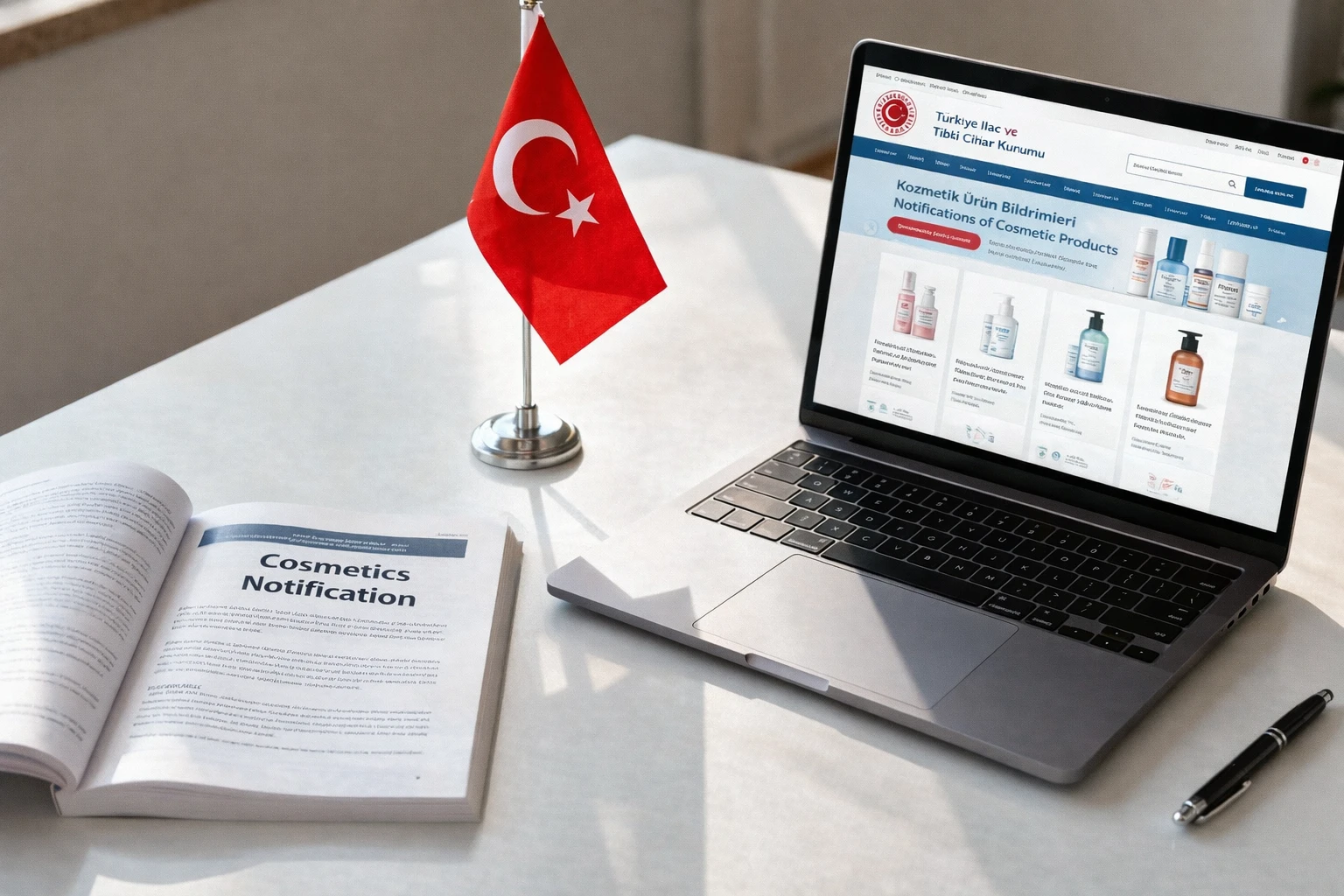
Once you’ve got all your paperwork in order, the next step is to tackle the official system. In Turkey, every cosmetic product notification goes through an online portal called the Electronic Application System (EBS), managed by the Turkish Medicines and Medical Devices Agency (TİTCK). This is where all that careful document preparation really matters, as you’ll be digitally submitting all the details that prove your product is compliant.
The EBS portal functions as the main control center which enables the Ministry of Health to monitor all cosmetic products. The success of a smooth submission depends on two essential factors which include correct entry of information and verification that all online entries match the documents which have been collected. A single small error in your application will trigger automatic screening which produces unnecessary time-consuming processing.
Simplify your business setup with Workon’s all-in-one company registration service in Turkey.
Appointing Your Responsible Technical Person
The EBS system requires you to select a “Responsible Technical Person” (or Sorumlu Teknik Eleman) before you can access the system. The process requires this step as an absolute necessity which stands as the essential foundation for all import operations. The person serves as your authorized representative who interacts with Turkish government agencies while maintaining full accountability for your products.
So, who can fill this role? They must be:
A Turkish citizen living in Turkey.
A qualified professional, typically a chemist, biochemist, biologist, microbiologist, or pharmacist.
Formally authorised by your company to represent you.
The position requires more than administrative work. The Responsible Technical Person maintains responsibility for updating the Product Information File (PIF) and handles cosmetovigilance reports which monitor adverse reactions and interacts with the Ministry during market inspection activities. Your future success depends heavily on selecting an experienced trustworthy professional who will handle this position.
Creating Your Account and Inputting Data
Your organization needs to select a Responsible Technical Person who will create a company account within the EBS system. You can begin the notification process for your cosmetic products starting from this point. The work requires users to enter data with absolute accuracy.
You’ll be asked to input specific details like:
Product name and brand
Product category (e.g., skin cream, shampoo)
The full ingredient list using INCI names
Details for both the manufacturer and the importer
The country of origin
Importers commonly make an error when they use product names or ingredient lists which differ slightly from their Certificate of Free Sale and product label information. The system detects these minor errors which trigger a notification delay until you resolve all issues.
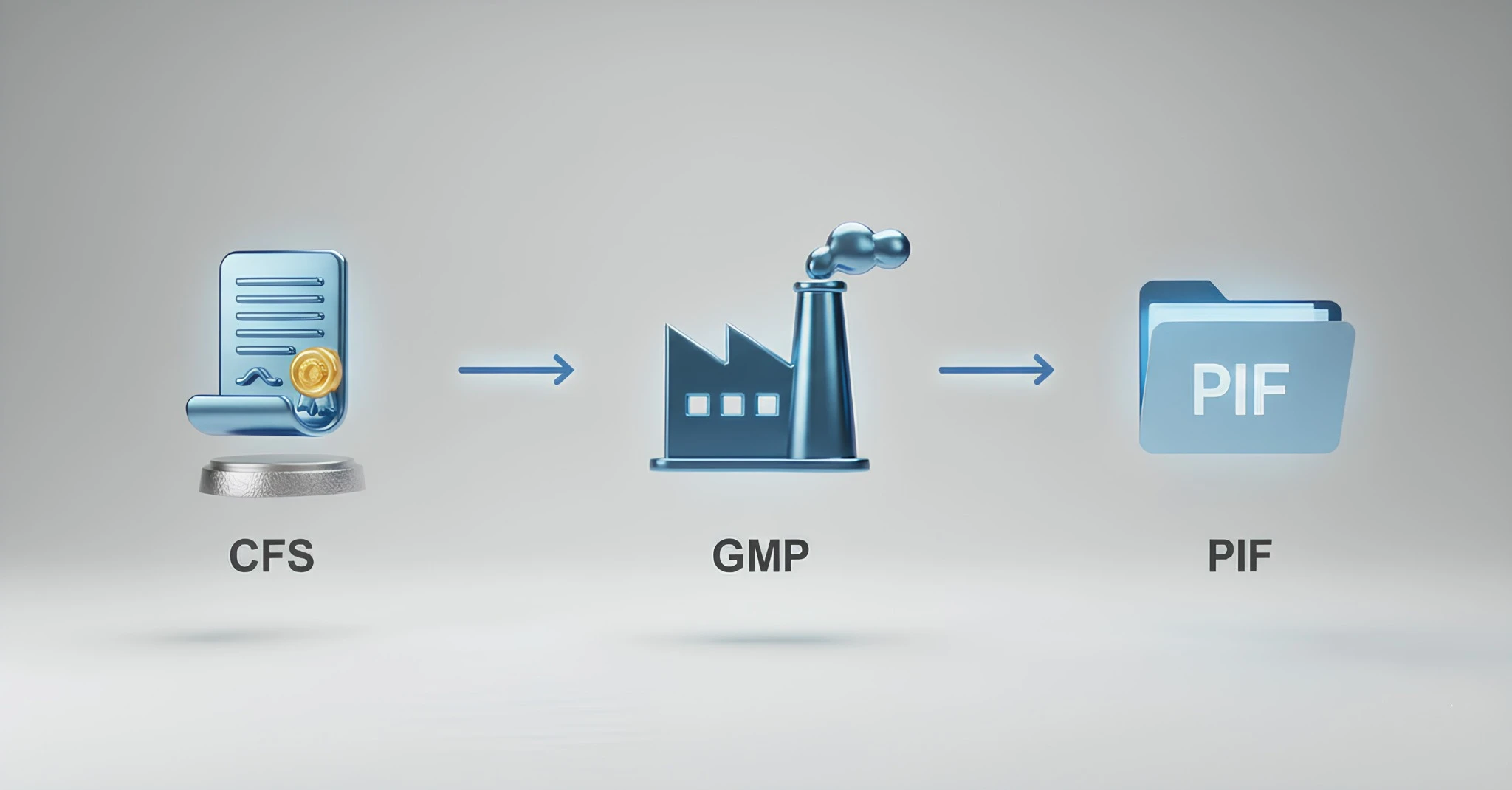
The infographic provides you with an effective way to understand how essential documents become part of the notification system.
Certificate of Free Sale, GMP certification, and Product Information File data are entered sequentially during cosmetic product notification in Turkey.
The documents follow each other in sequence to create a complete product notification which fulfills all requirements for Turkish market entry.
The Self-Declaration System and Its Responsibilities
The Turkish regulatory framework operates through a system which relies on companies to declare their compliance status. The manufacturer or importer must bear complete responsibility for this situation. The system allows you to declare your product meets Cosmetics Law requirements without needing to obtain formal approval before market entry.
The company needs to fulfill its duty to follow all safety regulations and Good Manufacturing Practices because it has obtained this freedom. The Ministry of Health conducts strict inspections and market surveillance to verify the information you provide. The website cbclaw.com.tr provides valuable information about Turkey’s cosmetics market and its governing rules for those who want to understand the industry better.
The system operates at high speed but requires you to stay alert at all times. The Ministry expects you to maintain all necessary documents including the essential PIF which should be available for immediate assessment.
The online notification serves as a declaration rather than an approval. You inform the Ministry of Health that your team has performed all necessary checks to show your product safety and you possess all required documentation. The declaration functions as a legally enforceable agreement.
The system produces a special barcode which becomes available after you complete the online submission process. The barcode functions as your official document which demonstrates your product received official notification for customs clearance. The shipping documents need to display this barcode because customs officials will verify it against the EBS registered products to ensure the border arrival matches the registered product. Your shipment will not move forward when there is no matching information.
You have completed the notification process which represents a major achievement. But don’t pop the champagne just yet. The following stage requires continuous monitoring because Turkey needs all imported products to meet complete labeling requirements.
The point where theoretical concepts encounter actual situations exists here. The Turkish government maintains strict control over cosmetic product labeling requirements which demand all essential details to appear in Turkish language only. The requirement stands as a legal obligation which determines both product customs clearance and their ability to remain available for sale.
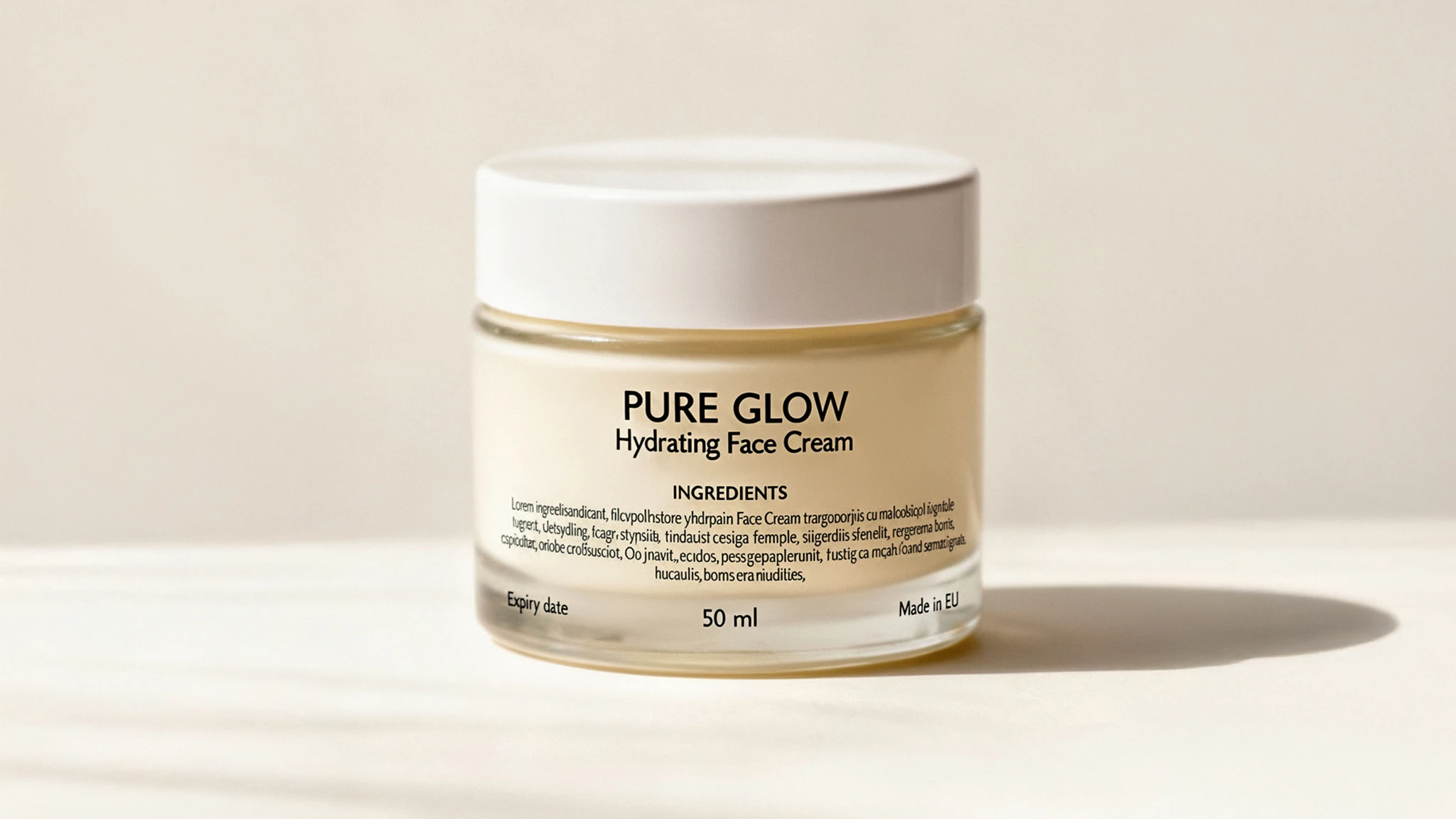
Under Turkey’s self-declaration system, cosmetic importers are legally responsible for accurate labeling, safety information, and product compliance.
Decoding Turkish Labeling Rules
A non-compliant label represents the fastest path which will result in border inspection stoppage and market shelf removal during regulatory checks. The expensive error can be avoided by ensuring all labels show exact Turkish information which includes particular details.
Your labels require these essential elements which form the foundation of their design.
Importer’s Name and Address: The full, registered name and address of your Turkish entity or representative must be easy to find.
Country of Origin: Simple but crucial. Consumers need to know where the product was made (e.g., “Made in Germany”).
Net Content: State the volume or weight using metric units, like 50 ml or 100 g.
Expiry Date or PAO Symbol: If your product has a shelf life under 30 months, it needs a “Best Before” date. For anything longer, the Period After Opening (PAO) symbol is mandatory—that little open jar icon with a number like “12M” inside.
Precautions and Warnings: Any safety instructions, such as “avoid contact with eyes,” must be translated into Turkish.
Ingredient List (INCI): You must include the complete ingredient list using the globally recognised INCI (International Nomenclature of Cosmetic Ingredients) format.
Getting the language and formatting perfect is non-negotiable. I’ve seen brands get into hot water over what seems like a minor translation error or a missing detail. The authorities can view it as a violation of consumer protection laws, and that’s a headache you don’t want.
The Importance of Post-Market Surveillance
Your work continues after your products become available for purchase. The Turkish legal system demands that you must continuously track your products’ actual performance in their operating environment. The process of monitoring products after they enter the market constitutes post-market surveillance which serves as an essential component of Turkey’s cosmetic import license system. The process demonstrates that your first safety declaration represents an ongoing commitment rather than a single occurrence.
The continuous observation requires three essential tasks to be performed. You must legally handle all new product safety information which becomes available to you through collection and review and subsequent action.
Post-market surveillance represents your ongoing dedication to protect consumer safety throughout the entire product life cycle. The Ministry of Health will understand that you represent a business partner who maintains responsibility in the Turkish cosmetics industry. The failure to comply with regulations will result in substantial penalties together with product withdrawal and permanent harm to your corporate image.
Your responsibilities in this position follow the rules which exist as part of our legal system.
Managing Cosmetovigilance
The official term for cosmetic product effect monitoring and reporting and assessment activities is Cosmetovigilance. You must establish a reliable process to record customer complaints and conduct investigations about what occurred and submit all critical incidents to the TİTCK. The Responsible Technical Person maintains control over this process to guarantee all reports receive proper handling according to procedures and meet their scheduled deadlines.
Maintaining the Product Information File (PIF)
The Product Information File (PIF) requires ongoing maintenance because it does not function as a document which can be created once and then abandoned. The document exists as an active file which requires continuous updates with fresh information about formula adjustments and safety research findings and cosmetic product monitoring results. Ministry inspectors have the right to request your PIF document whenever they want and you must keep it accessible at your registered Turkish address. A PIF which lacks current information or contains insufficient details creates a significant risk for non-compliance.
Handling Official Inquiries
The Ministry of Health contacts you occasionally to ask about your product offerings. The inspection might occur at any time because it represents a standard procedure or it might start because someone filed a complaint about the product. The organization needs to respond immediately through open communication while working together with all parties involved. Your ability to handle these situations will improve when you maintain organized paperwork and your Responsible Technical Person is ready for action which will establish your reputation as a dependable importer who follows all regulations.
Clearing Customs for a Smooth Market Entry
You have completed the necessary task of sending proper notifications and adding correct labels to your products. The last challenge stands in the way of clearing Turkish customs. The entire preparation process becomes effective at this stage because it prevents port delays which allow your shipment to enter your distribution network without interruption.
The last checkpoint before entry into a country exists through customs officials who serve as its protective barrier. The main responsibility of these officials consists of verifying that all imported products meet registration requirements while they focus primarily on maintaining uniformity in their inspections. All information on shipping documents needs to match exactly what you entered into the TİTCK online system including product details and business address. A small difference in shipping information will trigger customs to stop your package which results in costly and time-consuming delivery delays.
Getting Your Harmonized System (HS) Codes Right
The Harmonized System (HS) code stands as your most essential information when filing customs declarations. International trade uses this standardized code as its universal language which enables customs officials to determine product identities for proper duty and tax application.
The incorrect application of HS codes results in frequent and expensive errors. The wrong approach to customs clearance will result in paying excessive tariffs and simultaneously paying insufficient tariffs which produces two major problems that result in substantial financial penalties and legal complications. The HS tariff schedule contains Chapter 33 which covers cosmetics but you must identify specific codes that match your products.
For example:
Lipstick and other lip make-up fall under 3304.10.
Mascara, eyeshadow, and other eye make-up are classified as 3304.20.
Moisturisers and most other skincare preparations are typically 3304.99.
Shampoos have their own code: 3305.10.
Nailing the classification for every single product in your shipment isn’t just good practice—it’s absolutely essential for a smooth clearance.
Why a Good Customs Broker is Your Best Asset
The process of handling customs paperwork yourself remains possible but I strongly recommend against this approach. Working with an dependable Turkish customs broker represents your most valuable business decision. A great broker serves as your strategic partner who understands all procedures for cosmetic imports because they live and work in the specific market.
The company has complete knowledge about Turkish import licenses for cosmetics which enables them to detect upcoming issues before they occur. A broker for your beauty and personal care business needs to have established experience working with this industry sector. The team will identify all official documents which need inspection and assist you in creating accurate declaration documents. The complete customs clearance in Turkey can be studied through our detailed guide which serves as an excellent beginning point.
A customs broker who has experience will defend your shipment during the entire process. Their specialized knowledge protects your organization from border-related delays and inspections and expensive mistakes which occur unexpectedly.
The current situation demands logistics operations to function at their highest possible level of efficiency. The Turkish cosmetics market experienced significant expansion because imports increased by 24.5% from 2020 to 2022 to reach USD 1.57 billion in value. The customs inspection process has become more strict because of rising demand for luxury skincare products and fragrances. The market trends can be found in detail on ozguryayinlari.com.
The Customs Inspection Checklist
The customs officials at the port follow a specific procedure when they receive your shipment. The team needs to verify that the physical items inside the box exactly match both the digital alert and all supporting documentation.
The following items will probably receive verification from them.
Notification Barcode: The EBS system produces an exclusive barcode which becomes the first item the system checks after you complete the product notification process. The barcode needs to appear prominently on either the commercial invoice or some other essential shipping document. The registration proof from the Ministry of Health serves as their official documentation.
Physical Label vs. Digital Record: The inspection team will check your product for its Turkish label while they verify the information you entered online. The inspection process will verify three main elements which include the ingredient list (INCI) and the importer’s information and the product origin. The entire design needs to have a consistent look.
Document Consistency: They will cross-reference everything. The commercial invoice and packing list and bill of lading need to present identical information to each other. All quantities and product names and HS codes must match exactly throughout the entire system.
The final step requires complete mastery because it enables your products to reach their destination safely which will lead to a successful Turkish market entry.
Got Questions? We’ve Got Answers
Bringing cosmetics into Turkey for the first time? It’s natural to have a few questions. The cosmetic import process in Turkey contains multiple complex steps which create difficulties for importers to follow.
Do I Really Need an Office in Turkey to Import My Cosmetics?
That’s a common misconception. You can start your business without needing to rent office space for physical operations. A “Responsible Technical Person” who operates from Turkey must be your absolute requirement.
The person or specialized company you choose will serve as your authorized representative. The person needs to hold Turkish citizenship because they will serve as the Ministry of Health’s main point of contact for all product-related matters. The company must follow all legal requirements to maintain product compliance through proper Product Information File (PIF) management and resolution of post-market product issues.
So, How Long Does This Whole “Product Notification” Thing Take?
The TİTCK Electronic Application System (EBS) requires you to submit your notification which represents the fastest part of the process. The entire process happens at a very fast pace. You press the submit button which triggers an immediate response that produces a customs barcode.
But don’t let that fool you. The actual work which consumes most of our time occurs during the preparation phase. You need to obtain a valid Certificate of Free Sale (CFS) while you also need to resolve your Good Manufacturing Practices (GMP) certificate issues and create a complete Product Information Form (PIF). The process of perfecting all required paperwork requires at least several weeks and sometimes reaches a duration of two months.
The speed at which you enter the market depends entirely on the level of preparation you have achieved. A rock-solid complete set of documents enables you to receive fast notification while starting your operation without any problems.
What if My Product Labels Aren’t in Turkish?
This one is a deal-breaker. Your products will not find any market if your labels do not display Turkish language. The products would become stopped at customs checkpoints before they could enter the market or stores would remove them from their shelves during inspection procedures. The law establishes a clear requirement which demands all vital product information including ingredients and warnings and usage instructions and company details to be presented in Turkish.
The failure to address this issue results in legal violations of consumer protection laws which produce substantial financial penalties and extended project timelines. Your Turkish labels need to be resolved before your shipment departs from its starting port. Brands choose to use sticker labels or over-labels which follow regulations because these solutions enable them to avoid completely redesigning their packaging.
Any brand which wants to succeed in Turkey needs to establish a local presence as their first priority.
The red tape process has become too complicated for me to handle. You don’t have to figure it all out on your own. Workon provides assistance to Turkish businesses which need to establish their operations in Turkey. Our team takes care of complex tasks which include business setup and complete compliance with all necessary legal and administrative requirements. Our team of experts will guide your company through a successful Turkish market entry process.
Workon enables you to begin your Turkish business venture at the present moment.
No traditional import license is required. Instead, cosmetics must be notified through the TİTCK Electronic Application System (EBS) using a self-declaration and Product Information File (PIF).
Key documents include a Certificate of Free Sale (CFS), GMP certificate (ISO 22716), Product Information File (PIF), Safety Assessment (CPSR), and Material Safety Data Sheet (MSDS).
Only a Turkish citizen appointed as a Responsible Technical Person can submit notifications through the TİTCK EBS system and manage compliance obligations.
Once documents are ready, online notification is completed immediately. However, document preparation typically takes 4–8 weeks depending on readiness and accuracy.
Yes. All cosmetic products sold in Turkey must have labels fully in Turkish, including ingredients (INCI), warnings, importer details, and country of origin.
Subscribe to Newsletter
Be notified of the latest news in the business world quickly