Why banks reject foreign accounts is not about nationality or personal judgment—it is about risk management, compliance costs, and regulatory pressure.Banks follow strict procedures when reviewing non-resident applications, and even small issues can result in automatic rejection.
The bank will reject foreign account applications through standard procedures which do not involve personal factors. It’s about risk. Any bank that receives an application from a non-resident customer must perform additional checks which will increase their operational expenses and create more potential compliance issues.
The process of opening an account for non-resident individuals requires more than basic form completion. The bank staff needs to follow various international regulations which fight financial crimes but these rules create operational delays and increased costs. Banks primarily choose to reject foreign account applications because they view the associated risks and expenses as exceeding the possible benefits.
This is especially true in dynamic economies like Türkiye’s. In recent years, the Central Bank of the Republic of Türkiye (CBRT) has rolled out stricter financial controls to stabilise the Turkish Lira and manage the risks of “dollarization.”The banking industry now operates with new procedures for managing foreign currency deposits because of this development. Banks have adopted new requirements which restrict foreign applicants from obtaining loans because they need to fulfill current regulatory standards. The climate forces banks to increase their compliance expenses which causes them to avoid opening foreign bank accounts to reduce their risk exposure. For a deeper dive into Türkiye’s banking sector, the analysis on bbvaresearch.com is quite insightful.
The Bank’s Main Concerns
The bank needs you to submit your application through the same process which they would use for their own applications. The main concerns which people face consist of three essential categories which will create obstacles when you do not have proper preparation. The organization maintains its mission through vital risk management procedures which operate as part of its process.
The compliance team at banks spends most of their time dealing with three essential matters.
Regulatory Nightmares: Sticking to tough international Anti-Money Laundering (AML) and Know Your Customer (KYC) laws is absolutely mandatory and drains a lot of their resources. Customer (KYC) laws is absolutely mandatory and drains a lot of their resources.
Dodgy Documents: How do you reliably verify a passport from one country, a utility bill from another, and proof of address from a third?It’s a complicated and fraud-prone process.
Financial Question Marks: The bank faces major difficulties when evaluating financial stability because applicants do not have credit history in their local area and their financial information remains difficult to understand.
Hidden Costs: The process of handling foreign accounts requires substantial additional work because it needs advanced transaction tracking systems and service representatives who speak different languages and reports that need to cross international borders.
These factors create a pretty high bar. For anyone hoping to open a Turkish bank account for foreigners, truly understanding what the bank is looking for is half the battle.
The following list explains all the reasons which prevent your application from moving forward.
Primary Reasons Your Foreign Account Was Rejected
Rejection Category
Common Issues
What This Means for You
KYC/AML Compliance
Incomplete identity verification, suspicious source of funds, or ties to high-risk jurisdictions.
Your profile triggered an anti-money laundering alert. The bank sees you as a potential compliance risk.
Documentation Issues
Missing, expired, or unverified documents. Inconsistencies across different forms (e.g., name or address mismatches).
Your paperwork wasn’t perfect. Even small errors can lead to an automatic rejection because the bank can’t validate who you are.
Residency & Tax Status
Unclear residency status, lack of a local tax ID, or citizenship from a country with complex tax reporting laws (like the US FATCA).
The bank isn’t confident about your legal or tax status, which creates a huge compliance burden they would rather avoid.
Sanctions & Blacklists
Your name, or that of an associate, appears on an international sanctions list or internal bank watchlist.
You’ve been flagged as a politically exposed person (PEP) or have links to sanctioned entities, making you too high-risk to bank.
Business Activity
Your business operates in a high-risk industry (e.g., crypto, gaming) or the stated purpose of the account doesn’t match your actual activity.
The nature of your business doesn’t fit the bank’s risk appetite. They don’t want to be involved with industries they deem too volatile.
Seeing the process from this perspective helps you prepare an application that directly addresses the bank’s biggest fears.
“A rejected application does not contain any assessment of your individual worth. Your profile failed to match the bank’s current risk management standards. The company bases its decision on risk evaluation and follows all necessary regulatory standards which determine their business operations. “
The process becomes more effective when you view it as a risk assessment instead of an administrative task because this approach enables you to create a solid argument which will lead the bank to approve your request.
Navigating the Global Financial Security Checkpoint
A bank’s compliance department operates as a strict security screening area which functions similarly to international airport checkpoints. Everyone has to go through it. The inspection process becomes more rigorous when your documentation does not match or when your travel documents raise doubts about your activities to border officials. Most foreign account applications fail to meet bank security requirements which serve as non-negotiable standards.
These standards aren’t just dreamed up by the bank. The system operates through a network of worldwide regulations which include KYC (Know Your Customer) and AML (Anti-Money Laundering) standards. Banks must follow these regulations because governments have established them as mandatory laws which protect against terrorism financing and tax evasion activities. Get it wrong, and the fines can run into the billions.
The KYC and AML Gauntlet
A bank uses KYC to confirm that you match the information you provided during the verification process. The students need to see evidence which will validate their proposed statement. The team will review your identification documents and proof of residence and tax records to build an exact client profile.
AML operates as an ongoing system which tracks all ongoing activities. The section demands that you need to confirm your financial resources are genuine. It’s why they need to know your source of funds and wealth. A sudden, massive deposit or a strange pattern of transactions is an immediate red flag that will trigger a much deeper look into your finances.
The goal of all this regulation is to keep the global financial system transparent and safe. A bank will not accept any applicant who fails to give them reliable and consistent information which they can verify.
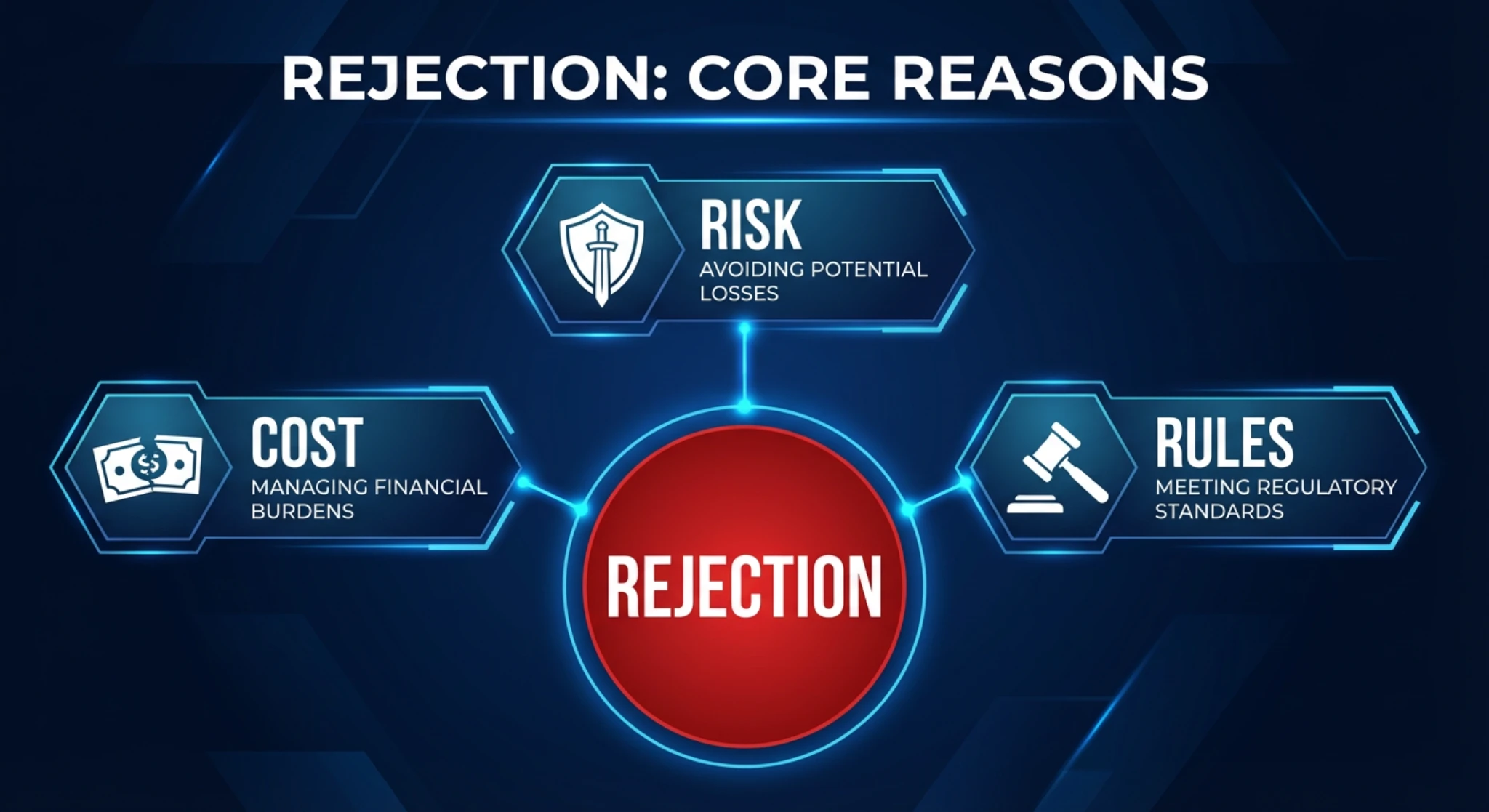
The infographic presents three basic rejection factors which include risk and cost and rules.
How risk exposure, compliance costs, and regulatory rules drive foreign account rejections
Organizations follow a standard business process for application rejection because they need to manage their numerous regulatory obligations and prevent financial damage.
Red Flags That Trigger Immediate Rejection
Banks conduct loan application assessments which involve procedures that go past the standard verification of loan documents. The application process requires them to verify your information through multiple international databases which will immediately reject your application when they find a match.
The following list includes the main factors which result in an immediate “no” response from people.
Sanctions Lists: The implementation of sanctions becomes immediate when your name or that of your business partner appears on any sanctions list which includes the U.S. Office of Foreign Assets Control (OFAC) list.
High-Risk Jurisdictions: The process of account opening becomes challenging when someone resides in or maintains strong business connections with nations which appear on corruption and terrorism financing watchlists.
Politically Exposed Persons (PEPs): Do you hold a government position or do you have a political role or maintain a close relationship with someone who does?The banking industry recognizes this situation as a bribery and corruption risk factor which will require a thorough due diligence evaluation.
Documentary Inconsistencies: Even tiny mistakes can sink your chances. For instance, if your passport says “Jonathan Smith” but your utility bill reads “Jon Smith,” the bank’s system might flag it as a discrepancy and reject the application.
Getting through these checkpoints is the whole game. It’s crucial to understand how banks identify fraudulent documents and ensure every piece of paper you submit is perfect. A single error can derail the entire process, proving that your application needs to be flawless from the get-go.
Perfecting Your Paperwork to Avoid Rejection
The truth is that numerous business rejections stem from factors which do not relate to your business operations. They’re about the paperwork. The process resembles attempting to construct flat-pack furniture while dealing with absent screws and instructions which appear to have endured water damage. The end result is bound to be a wobbly mess. The bank application process shares identical requirements with all other applications because one incorrect entry or absent supporting document will cause the entire process to fail.
The application process stands as the critical stage which most candidates find difficult to manage successfully. Banks require such precise information which most people fail to understand their specific requirements. The process requires more than passport presentation because you need to build an organized sequence of documents which solves bank inquiries before they become necessary.
Banks operate under a policy which demands complete verification of all individuals before they will establish trust with them. The organization operates through its own unapproved rules which establish which documents require more attention. A bank statement issued by a formal institution along with a utility bill from a state-controlled company provides better proof of address than a mobile phone bill which users can easily modify.
That’s why putting your document package together is a strategic exercise. You’re not just gathering papers; you’re building a professional and bulletproof case for yourself. A huge part of this is knowing how to organize your digital files so that everything is clean, correctly labelled, and ready to go.
The following list contains vital information which enables users to prevent the most common errors that occur during their process.
Proof of Identity: A valid government-issued passport serves as the most acceptable form of identification. Double-check that it’s not nearing its expiry date.
Proof of Address: The document requires your complete name and present address and a date which should be from the past three months of the current time. The most dependable evidence which proves something exists comes from utility bills together with official bank statements.
Tax Identification Number (TIN): You must obtain your home country TIN number and you will also need to get a Turkish Potential Tax ID number.
Residency Permit: If you live in Türkiye, your valid residency permit is absolutely non-negotiable.
Your Document Checklist for a Successful Application
The following guide provides you with basic instructions to create a portfolio which will not get rejected. The process functions as your application submission readiness assessment which you must complete before sending in your application.
Document Type
Why It’s Essential
Common Pitfalls to Avoid
Passport/ID Card
This is the primary identity verification. It confirms who you are.
Submitting a copy that is blurry, expired, or too close to its expiry date.
Proof of Address
Confirms your physical residency, a key factor for tax and legal jurisdiction.
Using an old document (over 3 months), a mobile phone bill, or a document not in your name.
Tax Identification Number
Essential for tax reporting obligations under both local and international laws (like CRS).
Forgetting to get a Turkish Potential Tax ID or providing an incorrect number from your home country.
Source of Funds/Wealth
Crucial for AML compliance. The bank must know where the money is from.
Vague explanations, a mismatch between your story and your documents, or being unprepared for questions.
Company Documents (for business)
Proves your business is legitimate, registered, and authorised to operate.
Missing pages, outdated records (like an old list of shareholders), or failing to notarise/apostille them.
The bank will consider you an accountable candidate who follows proper protocols when you get these documents at the beginning of the application process. The correct atmosphere serves as the starting point which creates the entire structure of their relationship.
Simplify your business setup with Workon’s all-in-one company registration service in Turkey.
When Your Documents Need an Upgrade
Bringing documents from another country?A basic photocopy will not work for this situation. The Turkish bank requires absolute confirmation about document authenticity which official verification procedures will provide.
You will almost certainly be asked for:
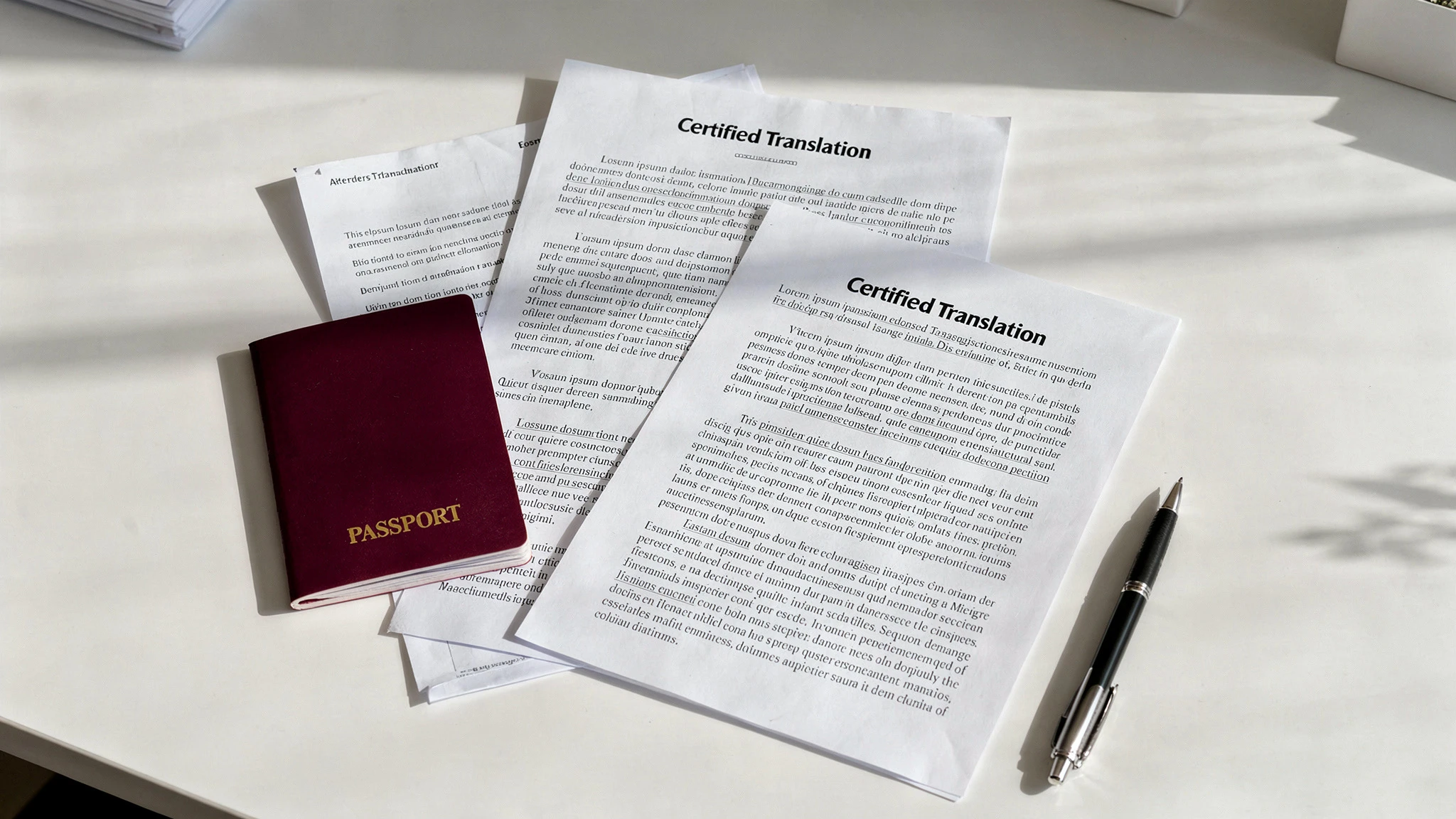
Official Translations: Any document not in Turkish or English will need to be translated by a sworn (certified) translator in Türkiye.
Notarisation: A notary public’s stamp verifies that your document or your signature on it is authentic.
Apostille: The Hague Apostille Convention allows countries to create apostille certificates which authenticate documents for worldwide use when these documents stem from member states. This is a must for things like birth certificates or corporate registration papers.
Understanding these steps is critical. The application process will result in immediate rejection when candidates submit documents which require either translation or verification. The bank’s compliance officer will not pursue you for obtaining correct versions because they will proceed to process the following application in their workload.
Explaining Your Money: Source of Wealth vs. Source of Funds
Every bank will request to know the origin of your financial resources. The main responsibility of AML compliance for these organizations requires them to assess two customer origin factors which they refer to as Source of Wealth and Source of Funds.
Source of Wealth (SoW): This is the big picture. It’s about how you accumulated your entire net worth over your lifetime. People view wealth as a combination of business earnings and family inheritance and their professional achievements and their ability to make intelligent financial choices. Your message needs to show believable evidence which supports its statements through evidence.
Source of Funds (SoF): This is much more specific. It refers to where the exact money you plan to deposit is coming from. Did you just sell a property?Is it a dividend payment from your company?You will need to provide evidence which includes either a sales agreement or a dividend declaration.
Being ready to explain both with clear, supporting documents is non-negotiable. For a deeper dive into the specifics of a business application, our guide on how to open a business bank account in Turkey offers more practical tips. Getting your paperwork in perfect order is your single best strategy for success.
How Banks Calculate Your Risk Profile
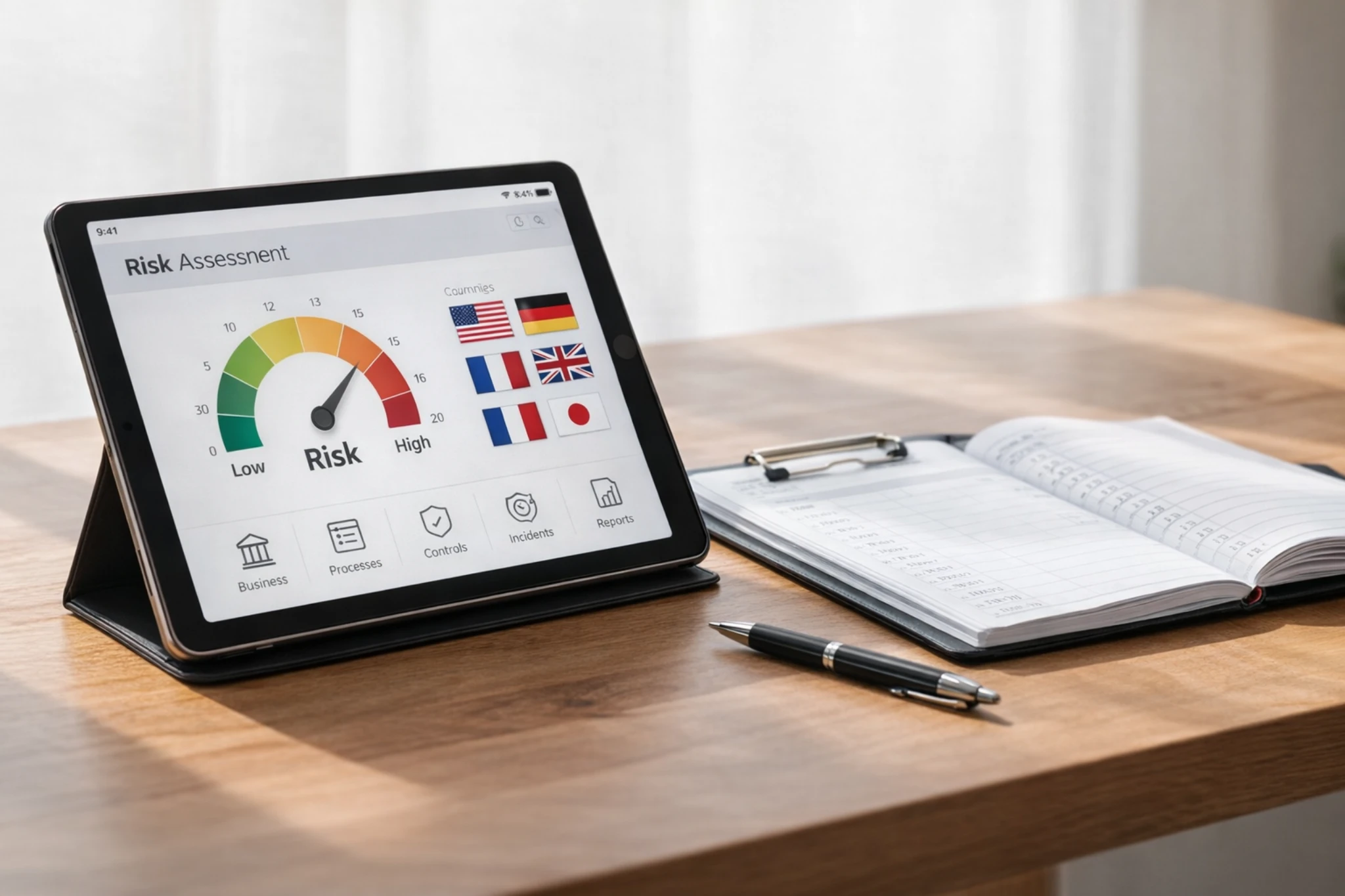
Every application depends on a fundamental mathematical operation which operates in the background. Banks evaluate both people and businesses through multiple data points which they use to generate complex risk assessment scores. The score functions as a credit rating system which determines if businesses consider you an dependable business associate or a financial risk. It’s often the single biggest reason why banks reject foreign accounts.
The evaluation process follows the same steps which an insurance company uses to assess candidates for new policy coverage. The company bases your payment eligibility on your age and your health status and your lifestyle information. The bank evaluates your potential value as a customer against the potential costs of financial crimes and major regulatory penalties and excessive administrative work. The internal risk evaluation process functions as a significant barrier which prevents numerous international applications from advancing through the review process. The standard view of non-resident applicants shows them as high-risk customers who generate less profit than local residents do. The banking system conducts a thorough assessment of applicants which extends past their submitted paperwork.
Banks assess foreign applicants using country risk, compliance scoring, and financial behaviour indicators
The Key Factors in Your Risk Score
The risk model at a bank functions as an open system because it lacks any concealed mathematical formulas or unexplained operational processes. The system operates through a defined method which depends on particular quantifiable elements. The evaluation process for your application uses multiple assessment methods which affect your total score. You can create an application that shows your low-risk profile when you understand what they need from their clients.
Your risk profile consists of three core elements which combine to create your complete risk situation.
Nationality and Residency: Organizations start their verification process through two steps which involve checking your citizenship documents and your current address information. The risk score will increase when either jurisdiction appears on lists which identify countries with political instability and weak AML regulations and international trade restrictions.
Nature of Business: What your company does is a huge consideration. The system identifies particular business sectors which it considers to be at elevated risk levels. The following business types face higher risks of money laundering because they handle large amounts of cash: restaurants and retail stores and crypto exchanges and online gaming platforms.
Intended Account Activity: The bank needs you to explain your intended use of the account. Your organization needs to handle numerous big international wire transfers which will arrive from worldwide locations. Or will it be mostly simple, local transactions?The traditional risk indicator consists of unpredictable or high-volume cross-border activity.
Source of Wealth and Funds: The previous discussion about this topic remains important because you need to establish a valid and traceable origin for your financial resources. Any ambiguity or missing piece in this puzzle is a major red flag.
The Bigger Economic Picture
Your personal profile isn’t judged in a vacuum. Banks monitor the entire economic environment because this situation leads them to implement extra caution in their lending practices. The financial sector of Türkiye needs to prioritize economic pressure management as its main objective.
The Turkish banking sector faces three major challenges which require it to handle profitability management and foreign currency rate changes and credit risk exposure. The process of foreign account approval faces immediate consequences from this situation. Despite some recent profit growth, a trend of rising non-performing loans (NPLs) has increased the overall cost of risk for banks. The lenders need to create strict credit assessment methods and improved risk control systems which will defend them against future threats. The company needs to reject foreign business partners who create both currency exchange problems and additional regulatory issues. You can dive deeper into these economic pressures in this detailed analysis from Paturkey.com.
A bank reduces its risk exposure to the lowest extent when economic conditions remain unclear. An institution needs to protect its capital during times of high inflation and currency instability. That makes them far less willing to take a chance on a complex foreign applicant.
Why You Might Be Seen as a Gamble
The bank needs to determine if the client provides enough value to take on their associated risks when making their last decision.
A business owner who uses cash for most transactions needs to move large amounts of unorganized financial resources between different countries. The bank faces an ideal combination of warning signs which create a dangerous situation. The different factors in this situation create a cumulative effect which drives their risk rating into the rejection area.
The application process shows different results when comparing an applicant from a stable low-risk nation who operates a service-based business with established local transaction plans to an applicant from a different nation. That person presents a much more attractive, low-risk profile. Your main goal should be to show your application through the second example because this method shows your ability to work as a reliable direct client.
Your Action Plan After a Rejection
The process of obtaining a foreign bank account rejection creates a complete barrier to progress. The situation creates frustration but it does not lead to permanent failure. The best approach requires us to view this situation as useful feedback which will help us identify our errors to develop an enhanced application for future submission.
Your first step?A polite follow-up. You need to contact the bank to determine their basis for choosing this option. The staff members will not provide detailed information because of security measures but they will always respond to your inquiries. Any piece of information you can get is gold.
Conduct a Thorough Self-Audit
You must review your personal loan application regardless of whether the bank gives any reason for their loan denial. Review all your submitted documents by examining them through the eyes of the bank.
Think of yourself as a detective scrutinising the evidence. Ask the hard questions:
Is everything consistent? The system will detect discrepancies when addresses or names or dates appear differently between different forms.
Are all my documents fresh? The banking system operates under strict rules which govern this entire process. Proof of address documents usually need to be less than three months old, and your passport shouldn’t be close to expiring.
Did I miss anything? Go back to the checklist. Was a page left unsigned?You seem to have missed the notarised translation document along with the essential Turkish Potential Tax ID number.
The solution to many problems stems from identifying tiny mistakes which people tend to miss. Your main duty at this point needs to focus on fixing these fundamental mistakes.
Build a Stronger Case for Your Next Application
You can begin creating a stronger application after completing your audit process. The submission process requires documents which go beyond the standard requirements for document duplication. The process involves taking steps to prevent any concerns the bank might have about risk from becoming actual problems.
A fantastic way to do this is with a professional cover letter. You now have the chance to speak directly with the compliance officer. You have given all required details about your identity and account access authorization and you have handled any security-related issues which might affect the account. Your organization can build trust through direct disclosure of funding sources and complete explanations about your business activities.
A cover letter which is properly written will create a major difference in the application process. Your method shows you exceed basic job applicant standards because you show yourself as an organized professional who understands the value of your assessment process.
Your case needs more documents to help you build an improved defense strategy. Your employment contract together with your employer reference letter and your current tax return documents will make the evidence more powerful. The documents function as physical records which demonstrate your financial stability.
Rethink Your Banking Strategy
Your application contains every requirement yet you receive denial from the review process. The problem exists independently from your individual world. The bank might have its own risk tolerance which determines its lending decisions. Every financial institution has its own internal policies, and a large, conservative bank might just be warier of foreign clients than a smaller, more modern one.
You should expand your research at this point. You should not limit your job applications to only the most well-known companies in your network. Explore the full range of options:
Large national banks
Smaller, regional institutions
Digital-first or “neobanks”
A smaller or digital-native bank would provide more flexibility to work with international applicants thus making them an ideal choice for your requirements.
It’s also worth understanding the wider economic picture in Türkiye. Cheque payments still make up a massive 60% of all transactions here, and the volume of bounced cheques jumped by an incredible 210% between 2023 and 2024. This signals rising credit risk across the board, forcing banks to be more cautious than ever. They’re tightening their AML and fraud controls, which naturally makes them more hesitant about taking on foreign accounts. You can get a deeper dive into this in this insightful report on Türkiye’s economic risk outlook. In this climate, a perfectly prepared application isn’t just an advantage—it’s a necessity.
When to Use Professional Help for Your Application
The process of handling foreign banking operations without assistance becomes an extremely difficult task. You spend weeks, sometimes months, gathering every last document and meticulously filling out form after form, only to receive a rejection letter. The situation becomes extremely difficult at this stage because people then understand how much they need expert assistance.
A consultant who delivers excellent results functions similarly to an experienced local tour guide. The main path is visible to you but the terrain experts possess deep knowledge about all possible routes and they understand where to find hidden paths and what to expect from each bank inspection. The compliance team at the bank depends on them to connect your situation to their understanding while building trust between you and their team.
Turning Complexity Into Clarity
The process of hiring a professional expert provides advantages which extend past the simple advantage of being convenient. The company uses this method to get their first approval because it lets them avoid going through the entire process of being rejected. These experts have accumulated extensive practical experience about the local banking environment together with its unspoken industry protocols.
The support system provides help through three different methods.
Strategic Bank Selection: The financial goals which banks established during their creation determine how much risk their institutions will accept. The expert will choose banks which fit your personal profile through your national origin and business type and past financial activities to identify appropriate lending institutions.
Flawless Application Preparation: The team completes all application forms by filling them perfectly and adding all required documents which meet bank specifications. This covers everything from properly notarised translations to the right apostille certifications.
Securing Essential Documents: The service provides direct assistance to clients who need to obtain their Turkish Potential Tax Identification Number which represents a common challenge for international applicants.
The process of hiring a professional represents a strategic decision which helps you prevent wasting time and experiencing stress while avoiding multiple rejections. Your first task should be to show the organization that you represent a risk-free valuable customer who will deliver value to the company starting from your first day of work.
A Partnership for Success
The expert will handle your documents before he leaves the office. The program teaches students about all aspects which will occur during their entire educational experience. The team will teach you methods to answer bank manager inquiries while they will explain your funding origins and present your business operations for maximum benefit. Their guidance proved to be extremely beneficial to us. The system transforms complex bureaucratic procedures into easy-to-handle operations.
This support is even more critical if you’re planning to set up a business in Türkiye, where understanding the financial system is just one piece of a much larger puzzle. To get a better sense of the bigger picture, take a look at our guide on what to know before seeking consulting services to start a business in Turkey. By partnering with the right people, you’re setting yourself up for a much smoother entry into the Turkish market.
Frequently Asked Questions
Foreign bank account applicants need to answer multiple questions because they encounter problems when trying to open their bank accounts. I will answer the common client questions which I regularly hear to help clients understand better.
Can I Reapply at the Same Bank After a Rejection?
Technically, yes, you can reapply. The application process requires more than submitting the same materials because it will not produce different results. The approach will definitely lead to another rejection from the person.
The smart move is to take a pause. Wait a few months, use that time to figure out exactly what went wrong, and then build a much stronger case. You need to attach a cover letter which explains your changes when you choose to reapply for this position. The bank will understand that you handled their problems by taking suitable actions.
Does a Large Initial Deposit Make Approval Easier?
The situation seems to be the opposite of what one would expect. A huge deposit can actually be a red flag for a bank. The system will activate anti-money laundering alerts when you do not provide evidence which shows the money origin through proper documentation.
A smaller deposit which has been documented in detail provides more value than a big unknown deposit. Banks exist to manage risks instead of focusing on maintaining big customer account balances.
Are Online-Only Banks a Better Option for Foreigners?
They can be, but they aren’t a magic bullet. The application systems of digital banks known as neobanks present a modern interface which makes international applicants feel more welcome. It’s part of their business model.
The institutions operate under identical rules which traditional banking institutions used to follow. They still have to follow every single AML and KYC regulation to the letter. A sloppy or incomplete application will get rejected just as fast there as it would at a traditional bank.
Will a Bank Tell Me Exactly Why I Was Rejected?
Almost certainly not. Banks operate their loan rejection process in complete secrecy because of existing legal requirements. The organization will send you a standard letter which avoids detailed information because they want to prevent disputes and protect their system from being exploited.
This is exactly why you have to become your own detective. Go back through your application with a fine-tooth comb, comparing it against all the common reasons for rejection we’ve talked about. You should be able to identify the weak point which will allow you to correct it before your next attempt.
The process of gathering all necessary information by yourself becomes extremely difficult to manage. The process requires proper advice to achieve successful results. The team at Workon lives and breathes this stuff; we help international entrepreneurs get their business bank accounts in Turkey set up right the first time. Learn more about how we can streamline your business setup at workon.com.tr.
Banks reject foreign accounts mainly due to AML and KYC compliance risks, unclear source of funds, incomplete documentation, or high-risk residency or business activity.
Yes. Non-resident applicants are often classified as higher risk because banks face higher compliance costs, limited credit history, and stricter international regulations.
Türkiye’s banking system has tightened controls due to currency volatility, AML rules, and regulatory pressure, making banks more cautious with foreign applicants.
No. Large unexplained deposits can trigger AML alerts. Banks prefer smaller, well-documented funds with a clear and verifiable source.
Complete documentation, consistent personal data, clear source of funds, a Turkish tax ID, notarised translations, and choosing the right bank significantly improve approval odds.
Subscribe to Newsletter
Be notified of the latest news in the business world quickly