Quick answer: Living in Istanbul as a foreign entrepreneur works best when you plan your personal immigration status, company setup, home, workspace, banking and daily commute as separate but connected workstreams. A business or e‑Visa visit does not give work rights; a residence permit is not the same as a work permit; and registering a Turkish company does not automatically give its foreign shareholder the right to live or work in Türkiye.
This guide explains the founder relocation and day-to-day operating layer: how to organise life in Istanbul while building or running a Turkish business. Detailed immigration, company-formation, work-permit, banking and workspace rules belong to their specialist guides linked below.
1. Decide Which “Istanbul Founder” Mode You Are Actually In
Before choosing an apartment or office, define how you will legally use Türkiye.
| Your situation |
What to solve first |
| Short business visit |
Check your nationality-specific visa/e‑Visa or visa-exemption rules. Business/trade entry is not work authorisation. |
| Living in Türkiye without working |
Identify the appropriate residence-permit basis and application requirements. |
| Actively working for a Turkish company |
Work-permit eligibility and application route must be assessed separately from ownership. |
| Running the Turkish company mainly from abroad |
Design remote governance, signing, banking, accounting and registered-address workflows instead of assuming relocation is required. |
| Moving with family |
Plan each person’s immigration, accommodation, insurance/school and documentation separately. |
The Ministry of Foreign Affairs states that e‑Visa is for tourism and trade purposes only. The current official investment guide separately explains residence permits and work permits. A work permit grants the foreigner work and residence rights within its scope; a residence permit on its own should not be treated as permission to work.
2. Keep Company Ownership, Residence and Work Rights Separate
Foreign investors generally have the same company-establishment rights and liabilities as local investors under Türkiye’s FDI framework. That means a foreigner can generally establish a Turkish company without first becoming a Turkish resident.
But three decisions remain distinct:
- Can I own the company? — corporate/investment question.
- Can I live in Türkiye? — immigration/residence question.
- Can I personally work for the company in Türkiye? — work-authorisation question.
Do not let a service provider sell company registration as an automatic residence or work-permit route.
For the company setup process, use Company Formation in Turkey: 2026 Guide. For active company owners, see Company Owner Work Permit in Turkey: 2026 Guide.

Relocation, residence, work authorisation and company setup are connected, but they are not the same legal step.
3. Use a Dependency-Based Arrival Sequence
There is no universal “visa → company → bank → apartment” sequence. The correct order depends on your nationality, whether you must work in Türkiye, whether you can travel, your shareholder structure and the business model.
A safer planning sequence is:
- Confirm entry/visa rules for your travel document.
- Decide whether relocation is temporary, long-term or not required.
- Define company ownership, management and signing structure.
- Check work-permit or residence-permit needs before relying on personal presence.
- Choose a registered business address suitable for the activity.
- Plan banking/KYC documents independently of the Trade Registry file.
- Choose housing based on real commuting and personal needs.
- Set up accounting, digital access, payroll/SGK and sector licences where relevant.
If you intend to run the company largely from outside Türkiye, Running a Turkish Company from Abroad may be more useful than a relocation plan.
4. Choose Where to Live by Commute, Not by Instagram
Istanbul is physically large, and crossing the city at the wrong time can dominate the working day. For a founder, the best district is usually the one that reduces friction between home, office, clients, airports and the meetings you actually attend.
| Work pattern |
Areas commonly evaluated |
Why founders consider them |
| Finance / Asian-side business |
Ataşehir, Ümraniye and nearby districts |
Access to the Istanbul Finance Center, Asian-side offices and metro connections. |
| Creative / startup / mixed lifestyle |
Kadıköy and nearby Asian-side neighbourhoods |
Dense food/café life, ferry/rail connections and broad professional community. |
| European-side corporate corridor |
Levent, Şişli, Maslak and surrounding districts |
Access to major corporate offices and business districts. |
| Frequent cross-city meetings |
Districts near metro, Marmaray or ferry nodes |
Transport access can matter more than postcode prestige. |
The Istanbul Finance Center is located on the Asian side and positions itself as a major international finance hub. If your client base or workspace is around Ataşehir/Ümraniye, living nearby can materially reduce daily travel time.
Do not choose housing from an old “average rent” table. Istanbul rents, deposits, aidat and utility costs can move quickly and vary by building, neighbourhood, furnishing, earthquake/building characteristics and contract terms. Compare live listings and inspect the exact property.
5. Check the Address Before You Sign the Lease
Your home address and your company’s registered address are different concepts. Before signing a residential lease, check whether the address and documentation will work for your personal immigration/address-registration needs where applicable. Requirements can change, so do not rely on an old online neighbourhood list.
Before paying a deposit:
- verify the landlord/authority to rent;
- read the lease and building charges (aidat);
- confirm utility setup and meter status;
- inspect internet availability;
- check commute at the hours you will actually travel;
- confirm whether you need notarisation or other supporting documents for your personal application route;
- seek legal advice if the contract or deposit terms are unclear.
6. Plan Your Commute With the Live Rail Network
Metro İstanbul publishes current network maps, timetables and service information. Use the live map rather than an old blog screenshot when choosing home or workspace.
A practical founder commute plan should consider:
- walking distance to metro/Marmaray/ferry;
- how many transfers are required;
- bridge/tunnel dependence if driving;
- airport access;
- late-evening return options;
- where your customers and advisers are actually located.
Transport fares change, so this guide intentionally does not freeze a TRY monthly-pass figure. Check the current official fare information when budgeting.
7. Separate “Where I Live” From “Where My Company Is Registered”
A founder does not necessarily need to register the company at the apartment they live in. Depending on the activity, a compliant virtual office or other registered-business-address arrangement can separate the legal business address from the founder’s home and can scale into coworking, meeting-room or serviced-office use when needed.
Activity suitability matters. Some businesses require premises or licences that make a simple virtual-address model inappropriate.
For the address decision, use Legal vs Registered vs Mailing Address in Turkey and Virtual Office in Istanbul: 2026 Guide.

Company registration is one workstream; housing, banking, workspace and personal immigration status should be planned separately.
8. Banking: Prepare for KYC, Not a Guaranteed Opening Date
A Turkish company can apply for a corporate bank account, but account approval is a separate bank decision. The bank may assess shareholders/UBOs, activity, expected transactions, source of funds, counterparties and supporting documents. Personal and corporate accounts should also be treated as separate onboarding processes.
For founders relocating to Istanbul, prepare a clean digital folder with the company file, shareholder identification, ownership chart, business description, contracts/invoices where available and transaction expectations. Do not assume that simply holding a Trade Registry certificate makes the bank account automatic.
See How to Open a Business Bank Account in Turkey.
9. Build a Personal Digital-Access Checklist
Day-to-day life becomes easier once the founder has reliable local communication and secure access to the systems they actually use. Plan:
- a stable mobile number where needed;
- secure email controlled by the founder/company;
- multi-factor authentication;
- banking app access;
- company e-signature/KEP/e-invoicing where applicable;
- cloud storage for signed corporate documents;
- backup access when travelling.
Do not hand permanent control of bank credentials, e-signature credentials or personal authentication tools to a consultant merely because they coordinated setup.
10. Health Insurance and Social-Security Planning Belong in the Relocation Budget
Current residence-permit guidance requires valid health insurance for relevant applications, subject to the applicable category and exemptions. If you work under a Turkish work permit or hire employees, social-security/payroll obligations may also apply.
Treat insurance and SGK as compliance items, not as optional lifestyle spending. The correct arrangement depends on your status, family and employment structure.
11. Budget With Categories and Buffers, Not Old TRY Numbers
In a high-inflation / FX-sensitive environment, a static article with exact rent, grocery and transport prices becomes misleading quickly. Build a monthly founder budget around live quotes instead.
| Budget category |
What to include |
| Housing |
Rent, deposit, agent/legal costs where applicable, aidat, utilities, internet. |
| Mobility |
Public transport, taxi/ride-hailing, parking, car costs and airport trips. |
| Immigration |
Application/card fees, insurance, translation/notary, document procurement. |
| Company |
Registered address/workspace, CPA/tax compliance, banking, digital systems, licences. |
| Personal |
Food, healthcare, education/childcare, fitness, entertainment. |
| Buffer |
FX movement, rent increase, unexpected travel or document rework. |
Keep personal runway separate from company cash runway. A founder who has enough capital to register a company can still be under-budgeted for six months of personal life and compliance.
12. Use Istanbul’s Business Ecosystem Deliberately
Networking is more useful when it is tied to a business objective. Instead of attending every event, map the communities that can change your next decision:
- customers and sector associations;
- chambers and foreign business councils;
- investor/startup communities;
- export/import networks;
- professional advisers;
- coworking and local founder communities.
For cultural and communication expectations, use Turkish Business Culture: 2026 Guide.

A useful Istanbul network connects founders to customers, advisers, sector peers and operating resources—not just events.
13. A Practical First-30-Days Checklist
- Confirm visa/entry status and passport validity.
- Decide whether you need residence permission, work authorisation, both, or neither for the current stage.
- Lock the company management/signing model.
- Set up a secure company document folder.
- Choose the registered business address.
- Choose housing by commute and address suitability.
- Open/prepare personal and corporate banking workstreams separately.
- Complete CPA/tax and post-registration onboarding.
- Set up mobile, digital authentication and company communication.
- Map your five most important Istanbul business contacts.
- Review the live Metro İstanbul network around home and office.
- Create a monthly personal + company cash-flow budget.
14. Common Relocation Mistakes
- Assuming company ownership gives residence or work rights.
- Signing a long residential lease before checking the personal documentation route.
- Choosing a home based only on neighbourhood reputation instead of commute.
- Using old TRY rent/transport budgets from blogs.
- Registering the company at home without checking activity/address suitability.
- Treating bank account approval as automatic.
- Letting advisers keep permanent control of credentials.
- Mixing personal runway with company capital.
- Relying on stereotypes instead of learning how the actual Turkish counterpart works.
How Workon Supports Foreign Founders in Istanbul
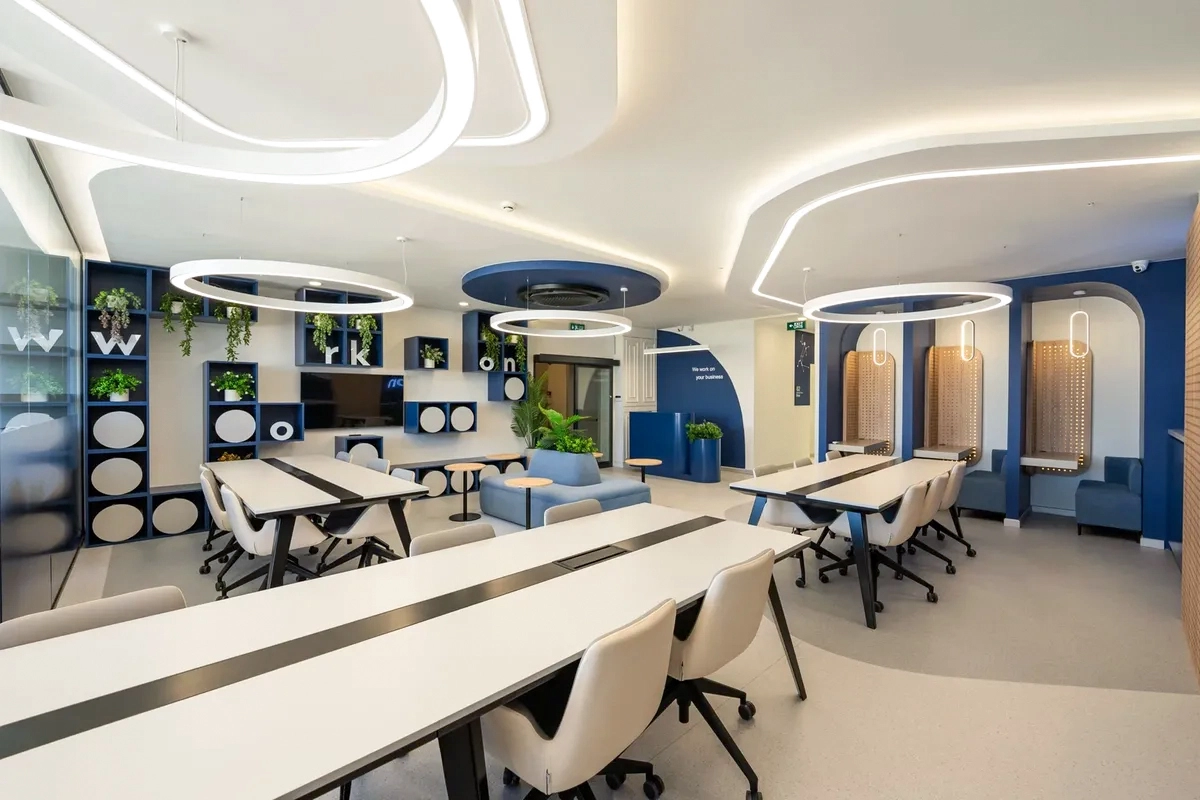
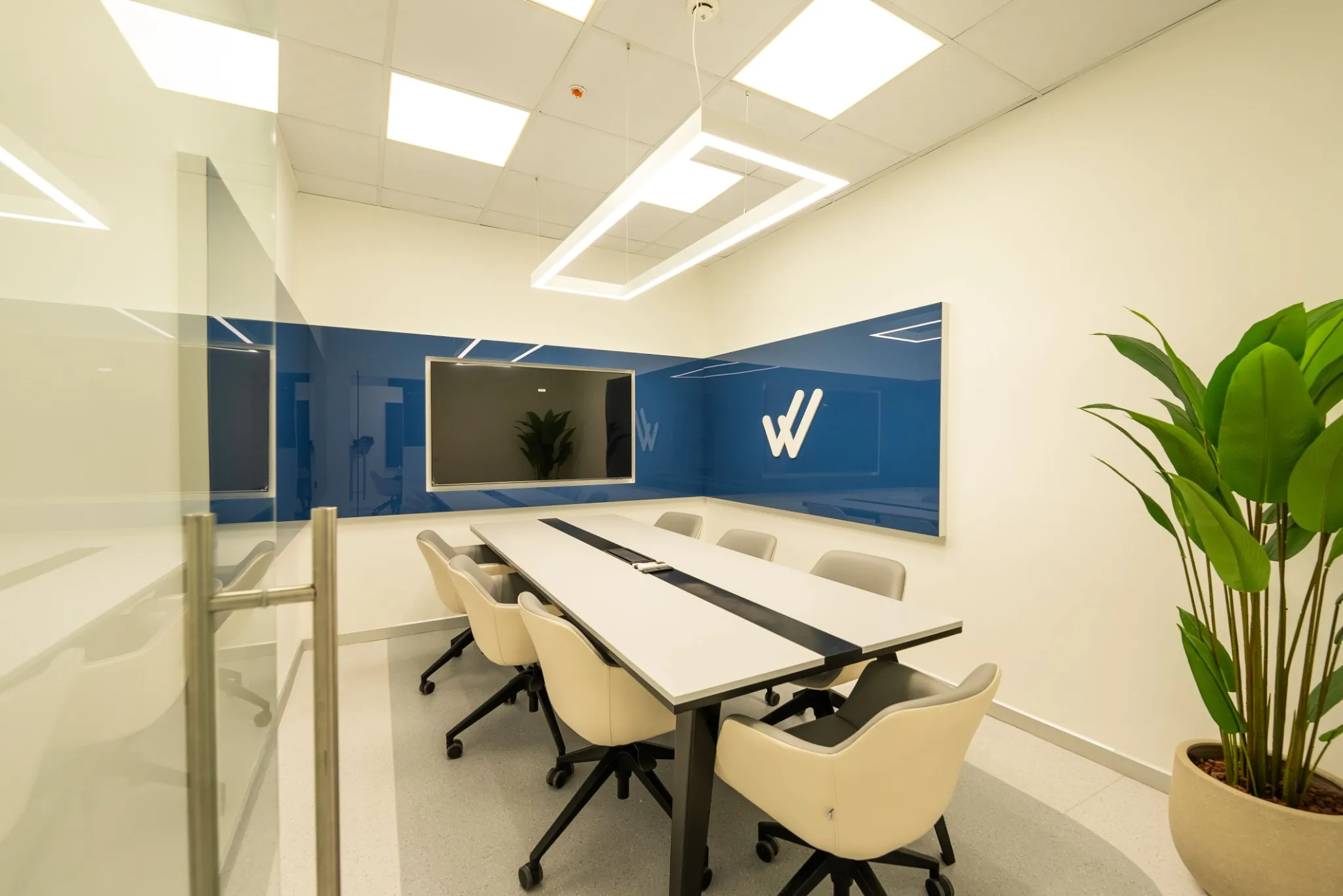
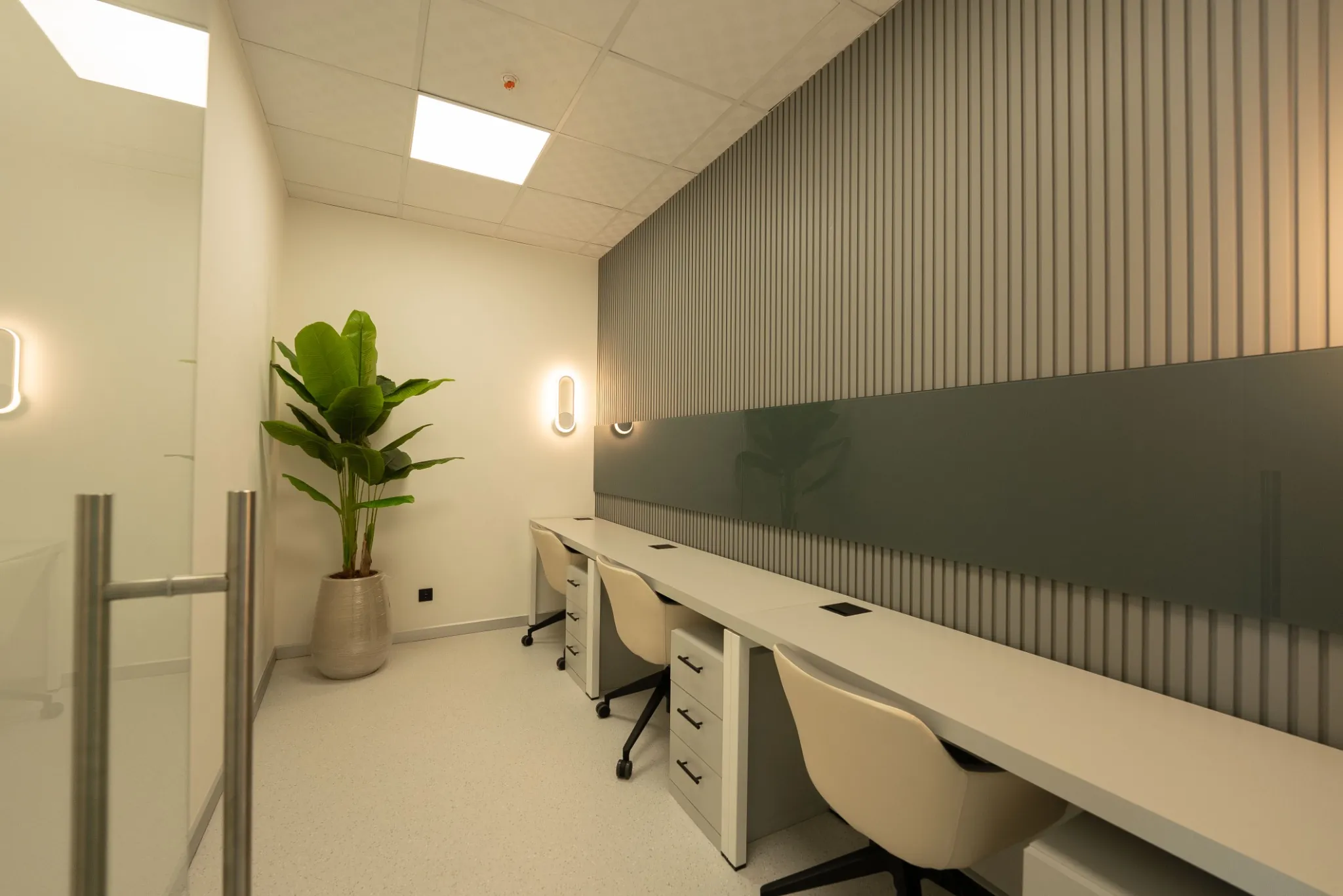
Workon supports foreign founders with company formation, registered business address, virtual office, coworking, meeting rooms, serviced/private offices, bank-account application coordination and connected operational-readiness workstreams. Workon can also coordinate immigration, legal, accounting and other regulated needs with the appropriately licensed professionals according to the agreed scope.
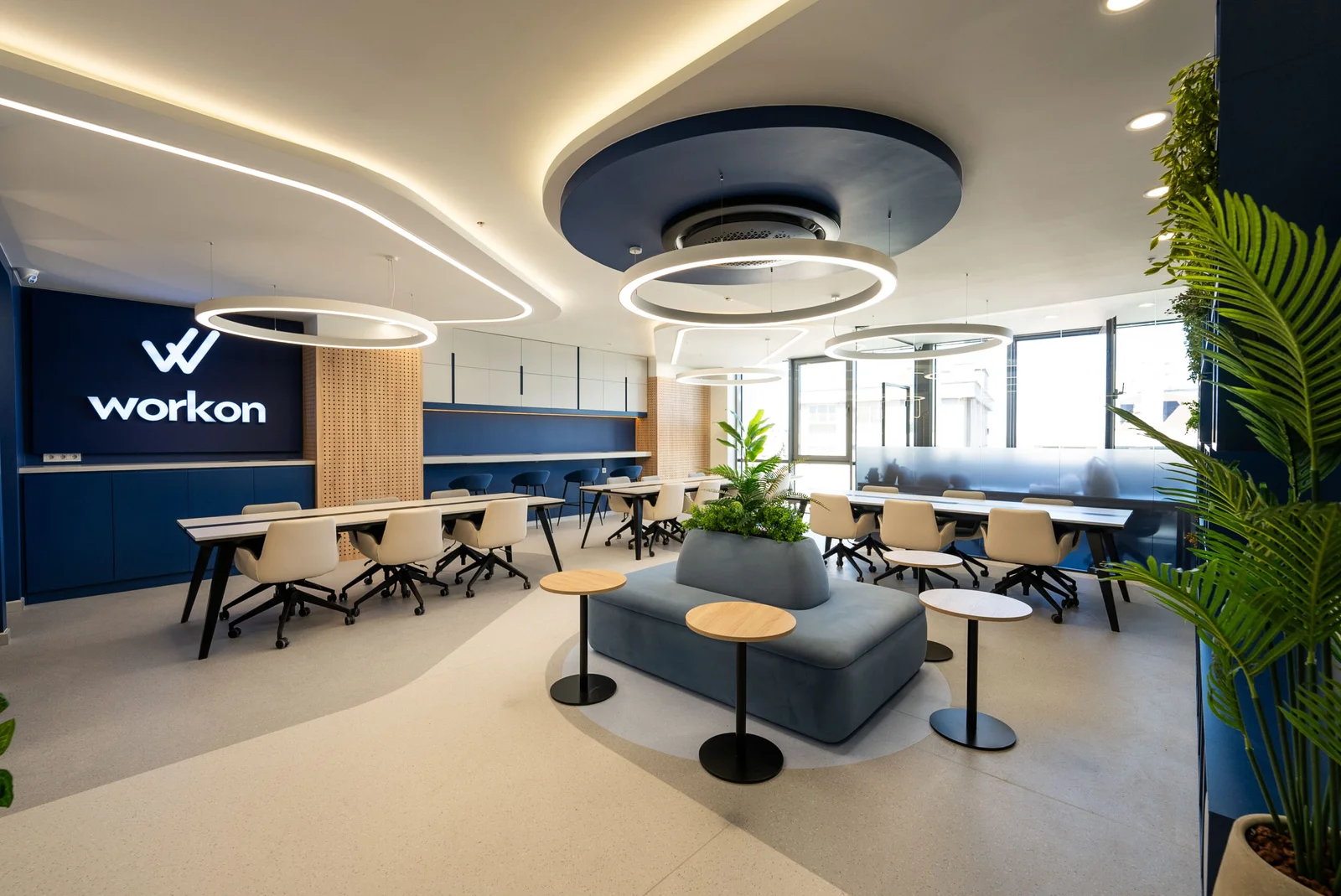
For founders working around the Asian-side business corridor, Workon’s Ataşehir and Ümraniye locations provide workspace options close to major commercial areas, including the Istanbul Finance Center.
Review Workon’s company registration and market-entry support.

Workon coordinates business setup and operating infrastructure; immigration and other regulated professional work remains with the relevant authorities and licensed professionals.
Official 2026 Reference Points
Last reviewed: 15 October 2026.
No. Company ownership, residence permission and work authorisation are separate. A foreigner can generally own a Turkish company without first becoming resident, while living in Turkey and actively working for the business require their own immigration and work-authorisation analysis.
Treat entry or visa status, residence or work authorisation, company ownership and signing structure, registered business address, corporate banking, housing, personal banking and daily transport as separate but connected workstreams. The right order depends on the founder's nationality, travel plan and operating model.
Choose from the actual commute to the office, customers, advisers, airports and the transport network rather than from neighbourhood prestige alone. Check the live rail map, housing documentation, building costs and the exact property before signing a lease.
No. Rent, deposits, aidat, utilities, transport and personal expenses can change quickly and vary materially by district and property. Build the budget from current housing and service quotations and keep personal runway separate from company capital.
No. Banks apply their own KYC, AML and risk review to the company, shareholders, UBOs, business model, source of funds and expected transactions. Prepare the banking file separately from the Trade Registry process.
Potentially yes. Where the business model and institutional requirements allow it, governance, signing, registered address, accounting and banking workflows can be structured for remote management. Travel or physical presence can still be required for bank, permit, licence or other institution-controlled steps.
Important: This article is general relocation and business-planning information, not immigration, legal, tax, employment or investment advice. Visa, residence, work-permit, insurance, tenancy and company requirements depend on nationality, status, activity and current authority practice. Check the relevant official authority and use appropriately licensed professionals where regulated advice is required.