Turkey free zone company setup is not simply an ordinary company incorporation with automatic tax exemptions. To operate inside a Turkish free zone, the business needs the correct Faaliyet Ruhsatı (Activity Licence) from the Ministry of Trade’s General Directorate of Free Zones, an approved location/lease or purchase arrangement in the selected zone, and a corporate/branch structure that matches the applicant’s legal status.
The tax and customs advantages also depend on what the business actually does. Manufacturing, trading, warehousing, services and R&D do not all receive the same income/corporate-tax treatment. In 2026, a major amendment expanded the manufacturing income-tax/corporate-tax exemption for qualifying free-zone manufacturers to include sales made abroad, within the same free zone and to other free zones, effective from 1 January 2026. Sales into the Turkish domestic market require separate analysis.
Quick Answer: What Do You Need to Operate in a Turkish Free Zone?
| Layer |
Main question |
Why it matters |
| Activity Licence |
Has the General Directorate approved the planned free-zone activity? |
No free-zone operation without the relevant Faaliyet Ruhsatı. |
| Corporate / branch structure |
Will the applicant operate as a foreign entity, Turkish company or Turkish-headquartered branch structure? |
The Ministry procedure differs by applicant status. |
| Zone location |
Is there suitable leased/purchased space in the selected zone? |
Licence approval is linked to the approved zone/activity/location process. |
| Tax incentive scope |
Is the activity manufacturing, service, trading or another category? |
Income/corporate-tax and wage-tax incentives are activity- and condition-specific. |
| Customs / VAT treatment |
Where do the goods/services move from and to? |
Free-zone treatment does not mean every transaction is universally free of VAT or customs liabilities. |
| Operating compliance |
Are customs, accounting, workforce, reporting and zone rules ready? |
The licence is the start of ongoing compliance, not the end. |
Free-zone entry is built around an approved activity licence, corporate structure and zone location.
1. Turkey Has 19 Operating Free Zones in 2026
The Ministry of Trade’s current 2026 list shows 19 operating free zones across the Mediterranean, Aegean, Marmara, Black Sea, Southeastern and Central Anatolian regions.
The right zone should be selected by operational fit rather than marketing reputation. Compare:
- supplier and customer geography;
- port, airport and road access;
- available industrial/warehouse/office space;
- utilities and infrastructure;
- sector ecosystem and qualified labour;
- lease/purchase model and zone-operator charges;
- customs flow into/out of the Turkish customs territory;
- whether the activity is manufacturing, trading, warehousing, service, R&D or another licence category.
See the Ministry of Trade free-zone overview for the current official list.
2. The Core Permit Is the Faaliyet Ruhsatı
The Ministry of Trade states that businesses must obtain an Activity Licence from the General Directorate of Free Zones to operate in a free zone. The application is not merely a company-registration form: the Ministry evaluates the applicant and the proposed free-zone activity.
The current official procedure calls for a file that can include:
- the Activity Licence Application Form;
- information about the applicant and planned free-zone activity;
- authorisation/signature evidence;
- Trade Registry/chamber documents for Turkish companies or corresponding foreign-company establishment evidence for foreign firms;
- recent financial statements where applicable;
- proof of the Activity Licence application fee;
- other activity- or applicant-specific supporting information.
Use the official Activity Licence procedure rather than a generic internet checklist.
3. Suitability Comes Before the Final Premises and Registry Steps
Under the published Ministry procedure, when an Activity Licence application is found suitable, the applicant is generally given 30 days to conclude the relevant lease arrangement for open/closed space. In privately owned free zones, an approved applicant can instead conclude a sale or lease for land/workplace where applicable.
At this post-suitability stage, the applicant also completes the required establishment of the company or the company’s free-zone branch through the relevant Trade Registry Directorate. The approved lease/sale contract, Turkish Trade Registry Gazette or registration certificate and the other required documents are then delivered through the free-zone process; the Activity Licence is issued after those required post-suitability documents are completed and submitted. If an investor user will construct its own superstructure, construction and occupancy approvals become additional project stages.
This 30-day period is a post-approval contracting window. It is not a guaranteed 30-day total company-launch time.
4. Turkish-Headquartered Businesses May Need a Free-Zone Branch
A particularly important structure rule is often missed in English guides: the Ministry’s current published procedure states that natural or legal persons whose headquarters are in Turkey must conduct their free-zone activities through a branch they establish for that purpose.
Therefore, the right question is not always “Should I form a brand-new free-zone company?” It may instead be:
- Should a foreign parent apply / establish the required Turkish structure?
- Should an existing Turkish company establish a free-zone branch?
- How should the branch/activity objects align with the Activity Licence?
For general foreign-company structure choices, see Foreign Company Entry into Turkey: Subsidiary, Branch or Liaison Office.
5. 2026 Manufacturing Tax Exemption: What Changed?
On 17 April 2026, Law No. 7577 amended the temporary Article 3 manufacturing exemption in Free Zones Law No. 3218. The Ministry announced that, effective from 1 January 2026, qualifying manufacturing users’ income/corporate-tax exemption covers income from sales of products they manufacture:
- to buyers abroad;
- within the same free zone;
- to other Turkish free zones.
This corrected the narrower rule introduced in 2024 that had limited the manufacturing exemption to export income. The official 2026 change can be reviewed in the Ministry of Trade announcement.
Do not translate this into “every free-zone company pays 0% corporate tax.” The exemption is tied to the legally defined manufacturing activity and covered income. Trading, services and sales into Turkey’s domestic market need their own tax analysis.
6. The 85% Export Rule Applies to the Employee Wage Incentive, Not Every Tax Benefit
Another common error is to use “85% export” as a universal free-zone eligibility threshold. Under the official free-zone incentive framework, the 85% FOB export condition is relevant to the income-tax exemption on wages paid to personnel of qualifying manufacturers.
In other words:
- it should not be used as a generic condition for receiving an Activity Licence;
- it should not be used as the universal corporate-tax test;
- it should not be used to claim every free-zone activity becomes tax-free after reaching 85% exports.
Have the company’s licensed tax professional apply the current legal conditions to the specific revenue and workforce structure.
7. Customs and VAT: “Outside Customs Territory” Does Not Mean Tax-Free Everywhere
Free zones have a special customs status, but each goods movement must be analysed by direction and customs status.
| Movement |
Practical question |
| Foreign country → free zone |
What customs status applies when goods enter the zone, and what zone/customs documentation is required? |
| Turkey → free zone |
Does the transaction qualify as an export / VAT-exempt supply under the applicable tax rules? |
| Free zone → foreign country |
What export/customs records are needed for the outbound movement? |
| Free zone → Turkish domestic market |
What import duties, VAT and other import measures apply when goods enter the Turkish customs territory? |
| Services |
Does the particular service fall within a specific VAT/tax exemption, or is it a taxable service? |
Do not say “everything entering or leaving a free zone has no customs duty or VAT.” A free-zone user can still face customs and tax liabilities when goods enter the Turkish domestic market or when a transaction falls outside an exemption.
For the wider customs workflow, see Customs Clearance in Turkey: 2026 Import & Export Guide.
8. Other Free-Zone Incentives Are Also Condition-Specific
Depending on the activity and transaction, the Free Zones Law and related tax legislation can provide advantages involving stamp tax/fees, services supplied to the free zone, real estate used by the operator, profit transfers and specialist free-zone support programmes.
Do not bundle these into one blanket “zero tax package.” The correct compliance file should map each proposed incentive to:
- the relevant statutory provision;
- the licence activity;
- the transaction type;
- the buyer/seller location;
- the required export or service condition;
- the applicable tax period.
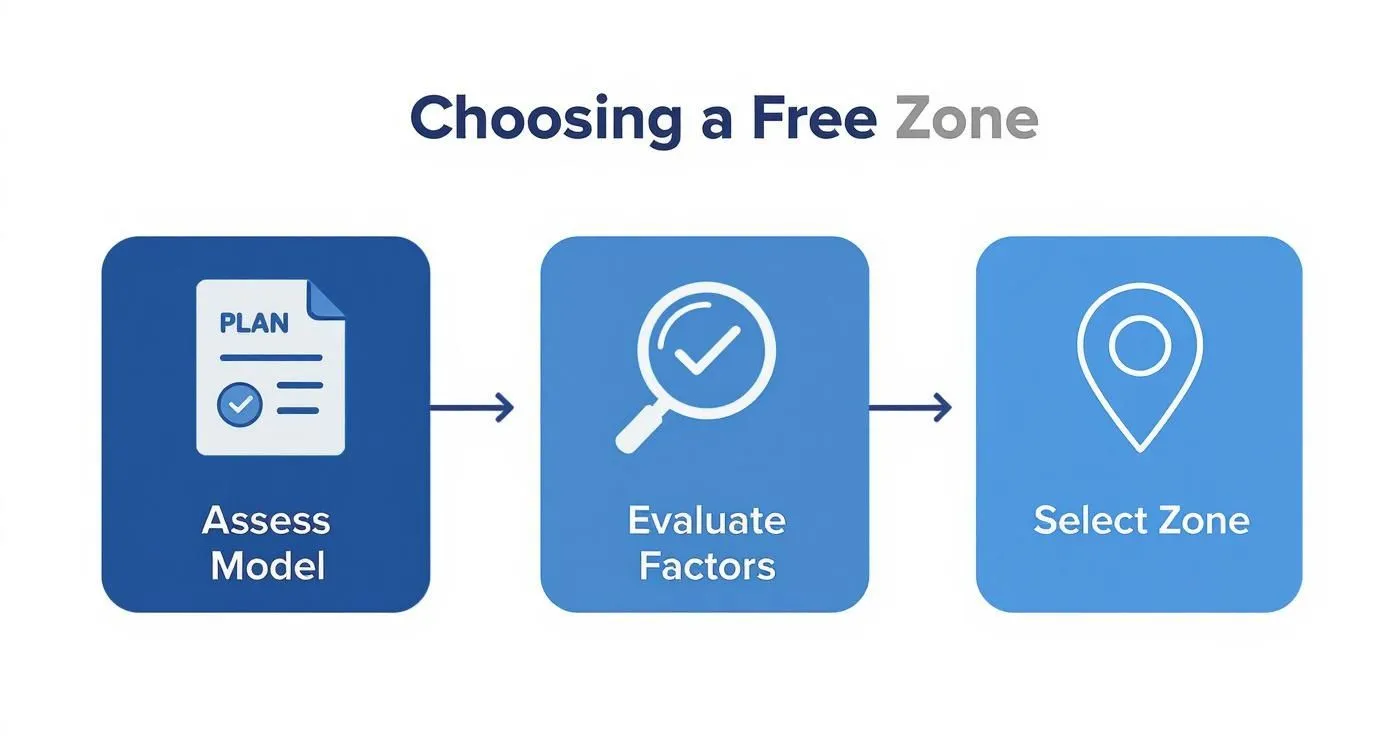
Select the zone by the operating model and supply chain, then test each incentive against the actual licensed activity.
9. Company Capital Rules: Do Not Mix LLC and JSC Payment Mechanics
Current Turkish minimum capital rules are separate from the free-zone Activity Licence. For a standard Turkish limited company, the statutory minimum capital is TRY 50,000; for a standard joint-stock company, TRY 250,000. However, the payment mechanics are not identical.
Do not state that every LLC must deposit 25% before registration. The 25% pre-registration payment rule is associated with the joint-stock-company capital regime; limited-company capital follows its own post-registration payment timetable under the Turkish Commercial Code.
For structure details, use LLC vs Joint Stock Company in Turkey: 2026 Decision Guide.
10. Foreign Ownership and Foreign Personnel
Foreign investment is common in Turkish free zones. Ministry data for the first seven months of 2026 reported 1,934 user companies, including 474 foreign users, across 19 zones. This demonstrates foreign participation but does not remove the Activity Licence or corporate-structure requirements.
Foreign employees also have a separate work-authorisation layer. The General Directorate publishes specific free-zone foreign-personnel work-permit procedures; do not assume that the ordinary mainland work-permit workflow or an automatic exemption applies in every case.
For general work-permit planning, see Work Permit in Turkey: 2026 Requirements & Process, while confirming the free-zone-specific route with the relevant Directorate.
11. Free-Zone Company Setup: Practical Sequence
- Define the exact activity. Manufacturing, trading, warehousing, R&D, software/service and logistics models have different licence/tax consequences.
- Shortlist zones. Confirm space, infrastructure, operator pricing and logistical fit.
- Choose the legal structure. Decide whether a foreign-entity route, Turkish company or Turkish-headquartered free-zone branch is the correct structure for the applicant.
- Prepare the Activity Licence application. Use the current Ministry form and applicant/activity evidence.
- Obtain the Ministry’s suitability decision. Do not assume the licence is approved before this stage.
- Complete the approved lease/purchase arrangement. Observe the Ministry’s post-suitability contracting period.
- Complete the required company/branch Trade Registry establishment. Keep the registered structure and licensed activity aligned.
- Submit the post-suitability documents and obtain the Activity Licence. The Ministry procedure calls for the premises contract, Trade Registry evidence and other required documents before licence issuance.
- Set up customs, SBBUP, accounting, banking and workforce workflows.
- Document the tax-incentive position. Have the licensed SMMM/CPA map each exemption to the actual activity and revenue stream.
- Maintain licence/reporting compliance. Material changes in activity, location or operations should be checked before implementation.

Free-zone operations require corporate setup to be aligned with the Ministry Activity Licence and zone location.
12. Ongoing Compliance After the Licence
The Activity Licence is not a one-time tax certificate. Free-zone users continue to manage:
- zone transaction/document procedures;
- customs records and goods movements;
- accounting and tax filings;
- lease/operator obligations;
- employment and foreign-personnel permissions;
- activity changes and licence scope;
- construction/occupancy rules where the user builds facilities;
- periodic data/reporting requested by the Directorate or other authorities.

Tax incentives depend on continuous alignment between the licensed activity and the actual transactions.
How Workon Can Support the Setup
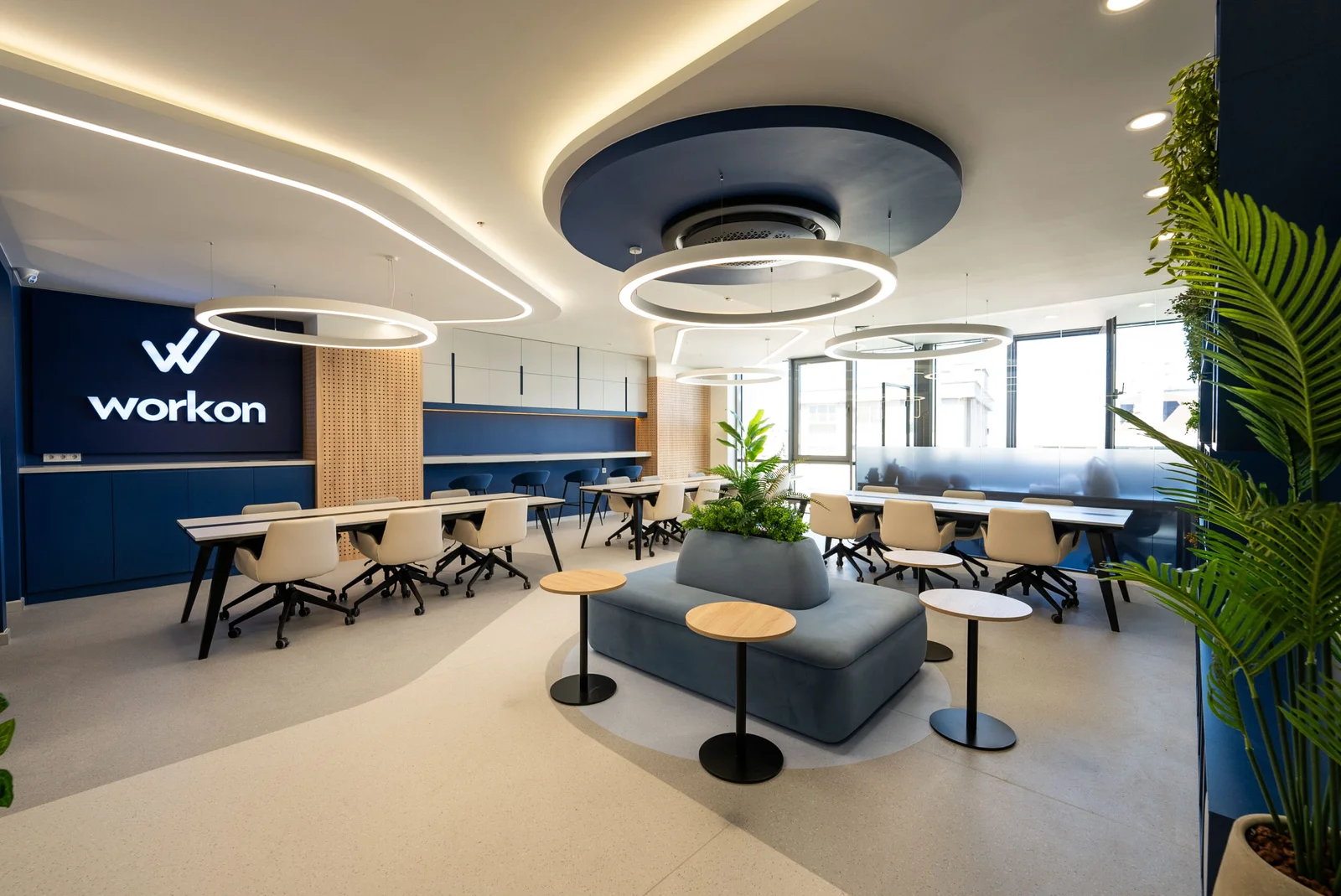
Workon can coordinate company/branch setup, document readiness, registered corporate steps, bank-account application support and the handoff between the investor, zone stakeholders, customs specialists and the company’s licensed SMMM/CPA. Workon can keep the Activity Licence, customs, tax and corporate workstreams aligned, while the Ministry/free-zone authorities and appropriately licensed customs and tax professionals retain responsibility for their regulated decisions and filings.
Last reviewed: 17 September 2026. The 19-zone count, January–July 2026 user-company figures and Law No. 7577 manufacturing-exemption expansion were rechecked against current Ministry of Trade sources.
Key Takeaways
- Operating in a Turkish free zone requires a Ministry of Trade Activity Licence.
- Turkey has 19 operating free zones in 2026.
- Turkey-headquartered natural/legal persons currently conduct free-zone activities through a branch created for that purpose under the published Ministry procedure.
- After a licence application is found suitable, the published procedure generally gives 30 days to conclude the relevant lease/purchase arrangement.
- From 1 January 2026, qualifying manufacturers’ income/corporate-tax exemption covers sales abroad, within the same free zone and to other free zones under the 2026 amendment.
- The 85% FOB export rule is relevant to the qualifying employee wage income-tax exemption, not every free-zone incentive.
- Free-zone customs status does not make every domestic-market or service transaction tax-free.
- LLC and JSC capital-payment mechanics are different; do not apply the JSC 25% pre-registration rule to every LLC.
- Foreign participation is common, but foreign ownership does not eliminate licence, customs, tax or work-authorisation requirements.
The business needs the correct Ministry of Trade Activity Licence, an approved free-zone premises arrangement and a company or branch structure that fits the applicant and the licensed activity. Free-zone operation is not created automatically by ordinary Trade Registry incorporation.
Foreign investors can participate in Turkish free zones, but ownership alone does not eliminate the Activity Licence, corporate-structure, premises, customs, tax or work-authorisation requirements. The correct route depends on the applicant and licensed activity.
No. Tax treatment is activity- and transaction-specific. The 2026 manufacturing exemption applies to qualifying manufacturing income under the current rules, while trading, services and sales into the Turkish domestic market require separate tax analysis. Do not treat free-zone status as a blanket zero-tax regime.
The 2026 amendment expanded the qualifying manufacturing income-tax or corporate-tax exemption to cover sales of products manufactured in the zone to buyers abroad, within the same free zone and to other Turkish free zones, subject to the statutory conditions. Domestic-market sales require separate analysis.
No. The 85% FOB export condition is relevant to the employee wage income-tax exemption for qualifying manufacturers, not to every Activity Licence or every corporate-tax, VAT or customs benefit.
There is no safe universal four-to-eight-week promise. The Activity Licence application, suitability decision, premises contract, company or branch registration, post-suitability documents, customs and operating setup are separate stages. The published 30-day period concerns the post-suitability premises-contract step, not the entire launch timeline.
Important: This guide provides general information on Turkish free-zone setup and is not tax, customs, legal, investment-incentive or activity-licensing advice. Tax exemptions, customs treatment, Activity Licence conditions, wage incentives and corporate-structure requirements depend on the licensed activity, transaction flow and current law. Confirm the proposed structure with the Ministry of Trade/Free Zone Directorate and the company’s licensed SMMM/CPA, customs broker and other appropriate professionals before investing, contracting or claiming an exemption. Workon coordinates setup and operational readiness but does not issue Activity Licences or replace competent authorities or licensed professionals.