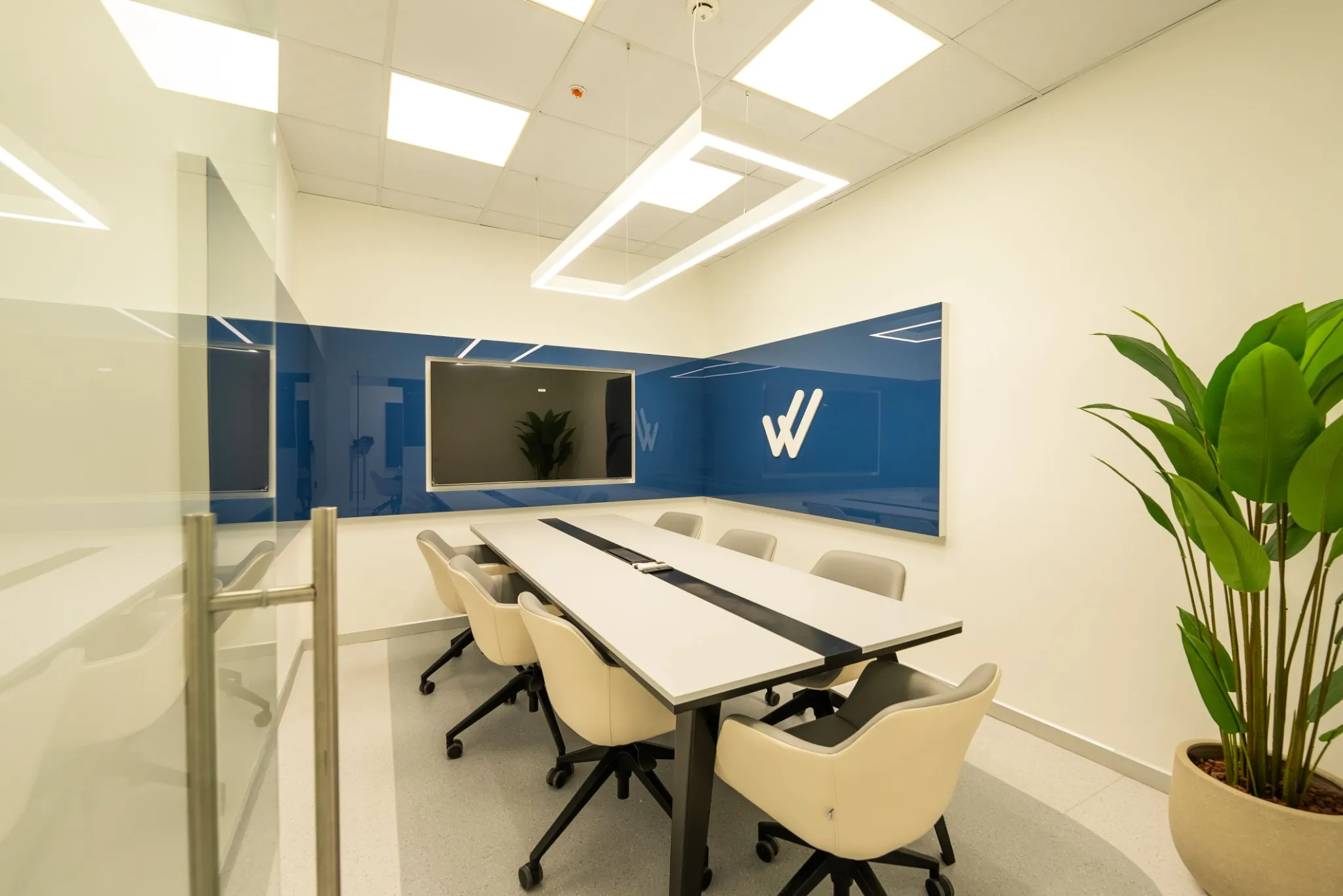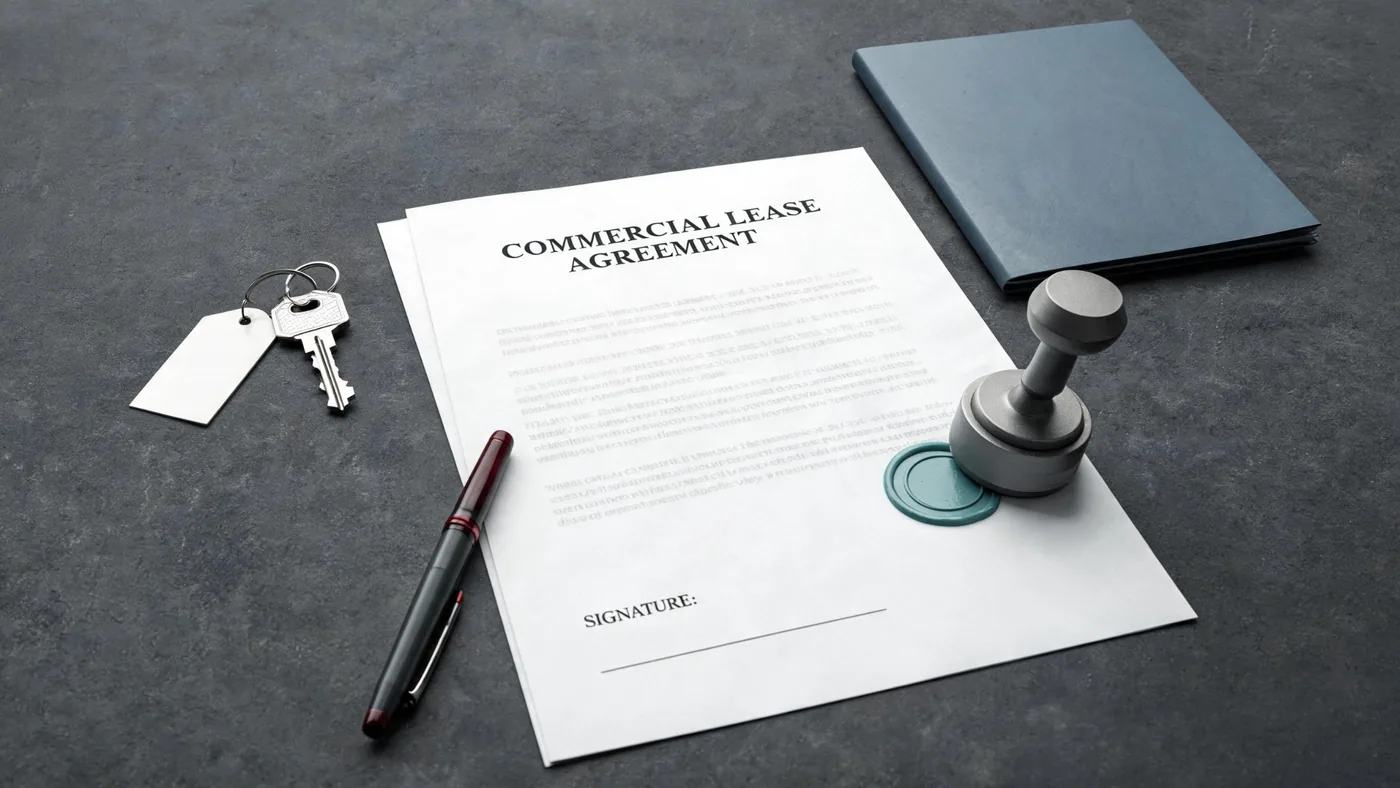
Commercial lease agreement Turkey rules matter because the lease can affect much more than rent. For a foreign-owned business, the premises may also affect the company address, workplace-opening licence, permitted activity, fire/building compliance, tax treatment, banking/KYC evidence and future relocation costs.
Quick answer: a traditional commercial lease is not universally required to form every Turkish company. A company needs a valid registered-address solution, but that can be a traditional lease, serviced/private office or another compliant address model depending on the activity. If the business will actually operate from leased premises, the lease should be reviewed together with the activity and premises-licensing requirements before signing.
Commercial Lease vs Registered Address: Do Not Confuse the Two
| Question |
What to check |
| Company registered address |
Can this address legally be used for the company’s Trade Registry and tax records? |
| Operating premises |
Will employees, customers, inventory, machinery or regulated activity actually be located there? |
| Workplace licence |
Does the activity/premises require an İşyeri Açma ve Çalışma Ruhsatı or another authority approval? |
| Sector licence |
Does healthcare, tourism, food, real estate, telecom, manufacturing or another regulated activity add separate premises conditions? |
This guide focuses on the proposed lease: permitted use, the parties’ commitments, payments, handover and exit terms. If you are still comparing candidate properties, start with the business location validation checklist. For the premises approval process, use Workplace Opening License in Turkey; the business licence and permit guide explains the wider approval categories.

Review the legal right to lease, permitted use, financial terms and premises suitability before committing to a Turkish commercial property.
1. Verify the Landlord and the Property Before Negotiating Price
Before paying a deposit or signing a long-term lease, confirm that the person signing as landlord is the owner or is properly authorised to lease the property. Review the title-deed information and make sure the premises described in the lease can be identified correctly.
For business use, also verify the facts that can affect operational readiness:
- approved use and building/occupancy status;
- zoning and activity compatibility;
- condominium or building-management restrictions where relevant;
- fire and access requirements;
- loading, ventilation, extraction, signage or technical requirements for the activity;
- whether renovations require landlord, building or authority consent;
- whether the planned workplace licence can realistically be obtained.
A lease does not convert unsuitable premises into licensable premises. For regulated or customer-facing activities, complete the premises check before expensive fit-out.
2. Purpose of Use: Match the Real Activity, Not Just the Company Name
The lease should describe the permitted use clearly enough to support the actual operation. It does not need to mechanically reproduce every line in the company’s articles of association, but it should not contradict the intended use of the premises.
For example, a quiet management-consulting office and a food-production kitchen have very different building, fire, hygiene and licensing implications even if both companies are legally incorporated. The correct test is therefore actual activity + premises suitability + authority requirements, not word-for-word matching.
3. A Commercial Lease Is Generally Valid Without Notarisation
Do not tell a founder that every Turkish commercial lease must be signed before a notary to be valid. As a general rule, an ordinary lease can be concluded between the parties without notarisation unless a specific transaction, authority procedure or additional undertaking creates a different form requirement.
Notarisation can still be useful in particular cases for signature/date evidence, powers of attorney or specific administrative procedures. The correct approach is to ask which authority or transaction actually requires it before adding notary cost and delay.
4. Security Deposit: The Three-Month Rule
For residential and roofed-workplace leases, Turkish Code of Obligations Article 342 limits the agreed security to three months’ rent. If the security is money or negotiable instruments, the Code also contains special bank-deposit/custody mechanics designed to prevent unilateral withdrawal.
In practice, the lease should state:
- deposit amount and currency;
- where/how it will be held;
- what deductions can be made;
- handover-condition evidence;
- return procedure and timing;
- treatment of unpaid utilities/common charges or documented damage.
A detailed handover report with dated photos is often more valuable in a later deposit dispute than a vague clause saying the property was received in good condition.
5. Rent Increases: There Is No Fixed 8% or 12% Cap
For residential and roofed-workplace leases, Turkish Code of Obligations Article 344 links valid annual increase agreements to the 12-month average change in the Consumer Price Index (TÜFE/CPI). The applicable figure therefore changes over time; a blog article should not hard-code a permanent 8%, 12%, 25%, 45% or similar cap.
For leases continuing beyond five years, the Code provides a broader rent-determination framework in which a court can consider the CPI movement, condition of the premises, comparable rents and fairness. Foreign-currency leases also require separate review under Turkish foreign-exchange rules and Article 344.
Operational rule: check the current 12-month CPI average for the actual renewal month and have the lease reviewed before applying an increase formula, especially where there are long-term, foreign-currency or five-year-plus issues.
6. Rent Currency: Check Foreign-Exchange Restrictions Before Signing
Turkey’s foreign-exchange rules can restrict when lease payments between Türkiye-resident parties may be agreed in or indexed to foreign currency, subject to statutory exceptions. Do not assume every foreign-owned company can automatically sign an office lease in EUR or USD because one shareholder is foreign.
Confirm the parties’ residence/status and any applicable exception before fixing the rent currency.
7. Rent Withholding Tax (Stopaj): 20% Is Not Universal to Every Landlord
Under the Turkish income-tax withholding framework, entities and other persons listed in Income Tax Law Article 94 can be required to withhold 20% from the gross rent for covered workplace rents that constitute real-estate income for the recipient.
However, the result depends on the landlord’s tax status and the nature of the rental income. For example, current GİB guidance distinguishes rents paid to individuals/other recipients within the withholding regime from cases such as property rented from a corporate-tax taxpayer, where the treatment can be different.
| Before signing |
Why it matters |
| Is the landlord an individual, company, association/foundation, public body or another entity? |
Changes withholding/VAT analysis. |
| Is the quoted rent gross or net? |
A net-rent promise can increase the tenant’s real cost after gross-up. |
| Is VAT charged? |
Depends on who is leasing and whether the letting is within a taxable business/economic activity. |
| Who declares/pays the withholding? |
The tenant may have reporting/payment duties when Article 94 applies. |
Have the company’s licensed SMMM/CPA review the landlord type and gross/net wording before signature. For the withholding-tax analysis, use Withholding Tax in Turkey: 2026 Stopaj Guide.
8. VAT on Rent Is Also Landlord- and Activity-Specific
Do not use the shortcut “individual landlord = stopaj, company landlord = VAT” as if it covered every case. Turkish VAT law includes exemptions for certain real-estate rentals outside an economic enterprise, while rentals carried out within a taxable commercial/economic activity can be subject to VAT.
The lease and invoice/payment workflow should therefore be checked together with the landlord’s tax status.
9. Stamp Tax: Verify the Instrument Before Quoting a Fixed Percentage
A lease agreement can create stamp-tax consequences depending on the document, monetary amount, duration, guarantees/sureties and current exemptions/rates. Avoid publishing one permanent percentage as if every commercial lease produces the same tax.
Before execution, ask the SMMM/CPA or lawyer to confirm whether stamp tax applies to the actual agreement and what base/rate applies on the signing date.
10. Bank-Traceable Rent Payments and Evidence
Current GİB guidance requires landlords and tenants of residences and workplaces to evidence rental collections and payments through documents issued by a bank or PTT, regardless of the rent amount. Bank transfer, EFT and comparable bank-channel records can satisfy the documentation requirement when the transaction is properly identified. Current guidance separately excludes specified cases such as rent collected or paid through court/enforcement channels or in kind.
For a company tenant, build this traceable payment route into the lease workflow from the first rent payment rather than treating bank use as optional bookkeeping hygiene. Keep deposit/security transfers separately traceable as contract evidence, but do not confuse that evidentiary practice with the rent-payment rule itself.
Keep:
- signed lease and amendments;
- bank payment records;
- deposit evidence;
- withholding/VAT records where applicable;
- invoices or receipts;
- handover report;
- landlord approvals for alterations;
- common-charge and utility reconciliations.
11. Transfer, Sublease and Change of Control
If the business might move, sublease, share space, restructure or transfer operations, negotiate those rights before signing. Turkish law contains specific rules for transfer of use and lease relationships; the contract can materially affect flexibility.
Check whether landlord consent is needed for:
- subletting all or part of the premises;
- assignment of the lease;
- use by an affiliate/group company;
- material change of activity;
- signage or structural alterations;
- sharing space with another legal entity.
12. Early Termination and Renewal Risk
A fixed-term commercial lease is not simply “cancel anytime with one month’s notice.” Early return, non-payment, breach, renewal and landlord termination rights are governed by the lease and the Turkish Code of Obligations.
Before signing, model the downside case:
- What if the licence cannot be obtained?
- What if bank or immigration timing delays launch?
- What if the company needs larger premises?
- What if the property is sold?
- What if the landlord wants to renovate/redevelop?
- What if the business closes or relocates?
A break clause or licence-condition precedent can be commercially valuable where fit-out or regulatory approval is uncertain.
13. Foreign Founder Pre-Lease Checklist
- Define the actual activity.
- Verify owner/authorised landlord.
- Confirm address and premises identity.
- Check zoning/building/occupancy and licence suitability.
- Confirm permitted use in the lease.
- Review deposit against the Article 342 limit.
- Use the Article 344 CPI framework for renewal language.
- Check foreign-currency restrictions before choosing EUR/USD.
- Identify landlord tax status and gross/net rent.
- Confirm withholding, VAT and stamp-tax treatment with the SMMM/CPA.
- Negotiate sublease/assignment/alteration rights.
- Add exit protection if licence or fit-out risk is material.
- Document handover condition and all payments.
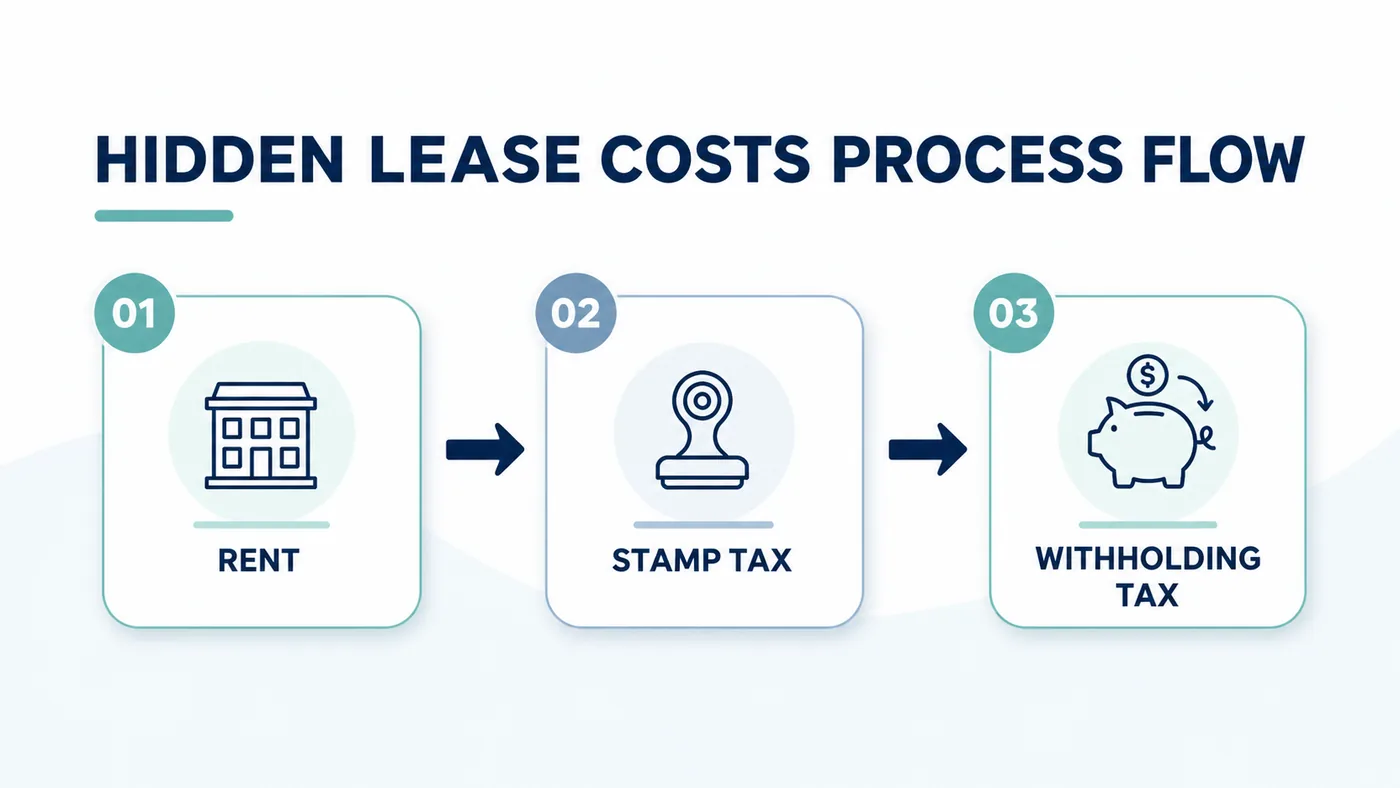
Lease cost is more than headline rent: model deposit, taxes, fit-out, common charges and exit risk before signing.
14. When a Virtual or Serviced Office May Be Better
If the company is desk-based and does not require activity-specific physical premises, a compliant registered-address/workspace solution may reduce long-term lease risk. Foreign founders should compare a traditional lease against virtual office, coworking and serviced/private office based on how often the team is in Turkey, confidentiality, client meetings and licence requirements.
See Virtual Office in Turkey for Foreigners and Virtual vs Traditional Office in Turkey.

Workon can coordinate company setup and workspace/address readiness while legal lease review remains with an appropriately licensed lawyer.
How Workon Can Support the Premises Setup
Workon can coordinate company formation, registered-address/workspace options, document readiness and the operational handoff between the founder, landlord, licensed SMMM/CPA and legal/regulatory professionals. Lease-specific legal review is coordinated with an appropriately licensed Turkish lawyer, while tax treatment is confirmed by the licensed SMMM/CPA and premises/licence decisions remain with the competent authorities.
Last reviewed: 17 September 2026.
Key Takeaways
- A traditional commercial lease is not universally required for every Turkish company; a valid registered-address solution is required.
- The lease must be reviewed together with the actual activity and premises-licensing requirements.
- Notarisation is not a universal validity requirement for ordinary commercial leases.
- Article 342 caps security at three months’ rent for covered residential/roofed-workplace leases.
- Article 344 uses the 12-month average CPI framework; there is no permanent 8% or 12% annual cap.
- Withholding tax and VAT depend on the landlord/tenant status and nature of the rental; 20% stopaj is not universal to every landlord.
- Stamp tax should be calculated from the actual instrument and current law rather than an old fixed internet percentage.
- Check foreign-currency restrictions before agreeing EUR/USD rent.
- Verify landlord authority, premises suitability, transfer/sublease rights and exit risk before committing.
Frequently Asked Questions
A traditional commercial lease is not required for every company setup. The company needs an appropriate right to use its registered headquarters, which may be supported by a lease, ownership or a suitable serviced\/address-use arrangement. Check the actual activity and premises requirements before choosing the contract.
For roofed workplace leases, rent increases are generally limited by the 12-month average Consumer Price Index announced by TÜİK. The exact cap changes monthly, so founders should check the official TÜİK rate in their lease renewal month.
Stamp tax, withholding tax and VAT may be relevant, but treatment depends on the agreement, its amount and term, the parties and applicable exemptions. Have the actual lease and gross\/net rent reviewed by the company's licensed tax professional before quoting a tax rate or total cost.
The answer depends on the tenant's withholding obligations, the landlord's tax status and the nature of the rental income. Do not treat 'individual landlord means withholding, company landlord means VAT' as a complete rule for every case. Confirm the gross\/net rent wording and reporting duties with the licensed SMMM\/CPA.
It depends on the company type, activity, property status and local requirements, but using a residential-style contract for a commercial business can cause registration or compliance problems. Always confirm that the property can legally be used for your intended business activity before signing.
Current GİB guidance requires landlords and tenants of residences and workplaces to evidence rent collections and payments through bank- or PTT-issued records regardless of the rent amount, subject to specified exceptions such as certain court\/enforcement or in-kind cases. Keep the payment description and recipient information clear so the rent trail is auditable.
Important: This guide provides general information and is not Turkish legal, tax, accounting, zoning or property advice. Lease validity, rent increases, deposit mechanics, withholding tax, VAT, stamp tax, foreign-currency rules, termination rights and premises licensing depend on the parties, property, activity, contract and current law. Have the proposed lease reviewed by an appropriately licensed Turkish lawyer and the tax treatment confirmed by the company’s licensed SMMM/CPA before signing or paying a deposit. Workon coordinates business setup and workspace/address readiness but does not replace licensed professionals or competent authorities.