Workplace opening license Turkey rules do not work as a single checklist for every company. The correct route depends on what activity will be carried out, where the premises are located, how the workplace is classified, and which authority is competent. Company registration and a registered address are separate from the permission to operate a particular activity from a particular premises.
For many ordinary sıhhî workplaces, the framework is declaration-based and can be relatively straightforward when the premises and activity already meet the Regulation. Industrial, public-facing, food, tourism, healthcare and other regulated activities may follow different or additional licensing routes. The practical approach is to classify the activity and premises first, then build the application file around that classification.
Quick Answer: When Is a Workplace Opening License Relevant?
If a Turkish company will operate from a physical office, shop, showroom, workshop, restaurant, warehouse, production site or other workplace, the first question is whether that premises and activity fall within the İşyeri Açma ve Çalışma Ruhsatlarına İlişkin Yönetmelik and any sector-specific legislation. The competent authority is commonly a municipality, but the correct authority can differ by location and activity.
A workplace opening licence should not be confused with company incorporation. Registration at the Trade Registry creates the legal entity; the workplace licence concerns whether the intended activity may be operated from the selected premises. For a wider licence-and-permit decision tree, see Business License in Turkey: Which Licence or Permit Applies?
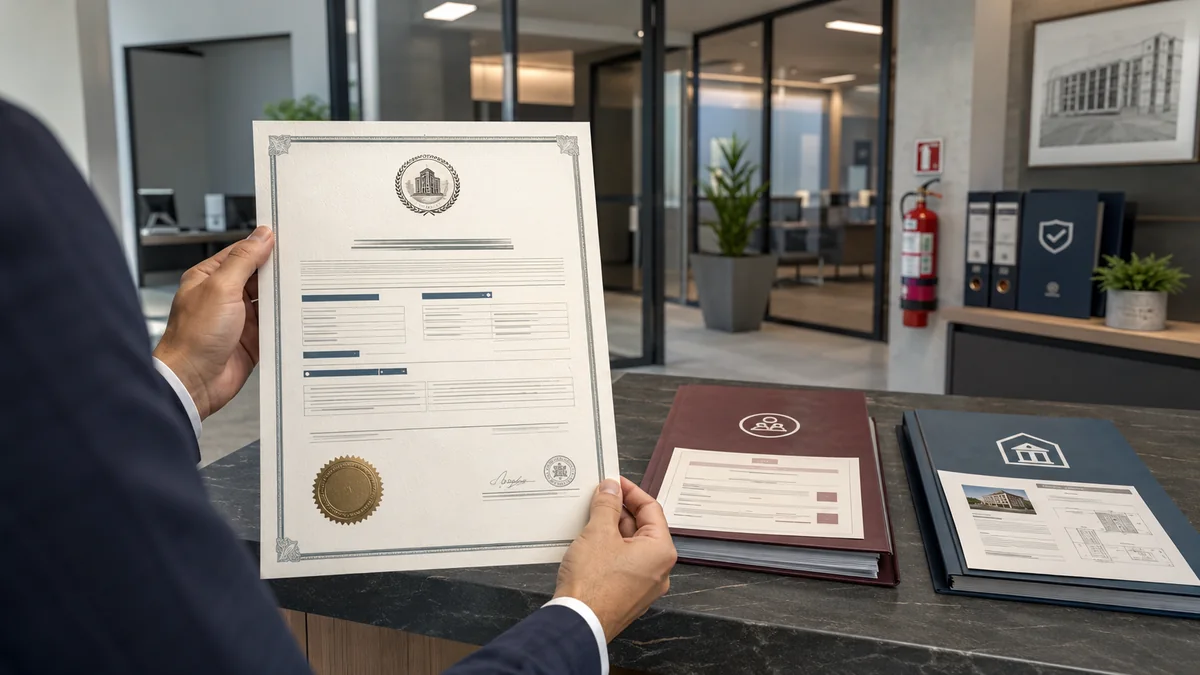
A workplace opening licence is tied to the activity, premises and competent authority—not simply to the existence of a Turkish company.
1. Start With the Workplace Category, Not a Generic Document List
The Regulation separates workplace types into different categories, including sıhhî workplaces, gayrisıhhî establishments and public rest and entertainment places. Different chapters and annexes apply to different classes. A low-impact office activity should therefore not be presented as if it follows the same technical route as a factory, restaurant, hotel or entertainment venue.
| Decision |
Why it matters |
What to verify |
| Activity |
Determines the workplace class and whether sector rules apply. |
NACE/activity description, regulated activity, public-facing or industrial characteristics. |
| Premises |
The location must be legally and technically suitable for the intended use. |
Title/lease rights, approved use, zoning/building status, activity-specific premises conditions. |
| Competent authority |
The filing authority is not identical in every location or sector. |
Municipality or other authority with licensing power for the specific site/activity. |
| Additional permit layer |
A workplace licence may exist alongside a sector authorisation. |
Food, tourism, healthcare, industrial, environmental or other specialist approvals where applicable. |
2. Company Registration and Operational Licensing Are Separate Steps
Trade Registry registration, tax registration and the registered address establish the company layer. The next step is to match the intended activity and premises with the applicable workplace-licensing route before a long lease or fit-out commitment is made.
This is especially important for foreign founders because the company-formation workstream can be completed before all premises or sector permissions are final. Treat the project as two connected workstreams:
- Legal-entity readiness: company registration, tax and signature/representation setup.
- Operational-site readiness: premises suitability, workplace licence and any sector-specific approvals.
If premises selection is still open, review the commercial-use requirements before committing to a site. Our Commercial Lease Agreement Turkey guide explains the lease-side checks that should be completed before operational commitments are made.
3. What the Authority Is Actually Checking
The exact checks depend on the workplace class, but the central question is whether the declared activity and premises comply with the applicable framework. That can include:
- Permitted use and location: whether the planned activity is compatible with the premises and applicable planning/building rules.
- Building and occupancy status: whether the property has the approvals and use status required for that activity. Do not treat an iskan or any single building document as a universal one-document test for every case.
- Fire, health, hygiene and safety conditions: where the relevant workplace class or sector rules require them.
- Activity-specific technical conditions: equipment, ventilation, access, storage, capacity or other requirements where the Regulation or sector legislation applies them.
- Consistency with the application: the activity actually carried out should match what was declared and licensed.
4. The Document File: Build It Around the Case
There is no reliable universal document pack for every workplace in Turkey. The correct file should be built from the Regulation, the relevant application/declaration form, the workplace category and any sector-specific legislation. As a practical pre-check, founders usually need to be ready to evidence the following categories:
| File layer |
Typical evidence to prepare |
Important qualification |
| Company / applicant |
Company identity, authorised representative and tax/registry information. |
Exact documents and whether data are verified electronically depend on the route. |
| Right to use premises |
Ownership or lease evidence. |
The premises must also be suitable for the intended activity; a lease alone is not a licence. |
| Building / use status |
Relevant building, occupancy or approved-use evidence. |
Requirements vary by property, workplace class and local file. |
| Technical / safety |
Fire, hygiene, technical or capacity evidence where applicable. |
Do not assume every ordinary office needs the same reports as a restaurant, hotel or industrial facility. |
| Sector permission |
Special registration, licence or authorisation where the underlying activity is regulated. |
Sector approval may be additional to—not a substitute for—the workplace-opening layer. |
The practical objective is not to collect the largest possible file. It is to establish the correct workplace category and submit the information and evidence that the applicable rules require.
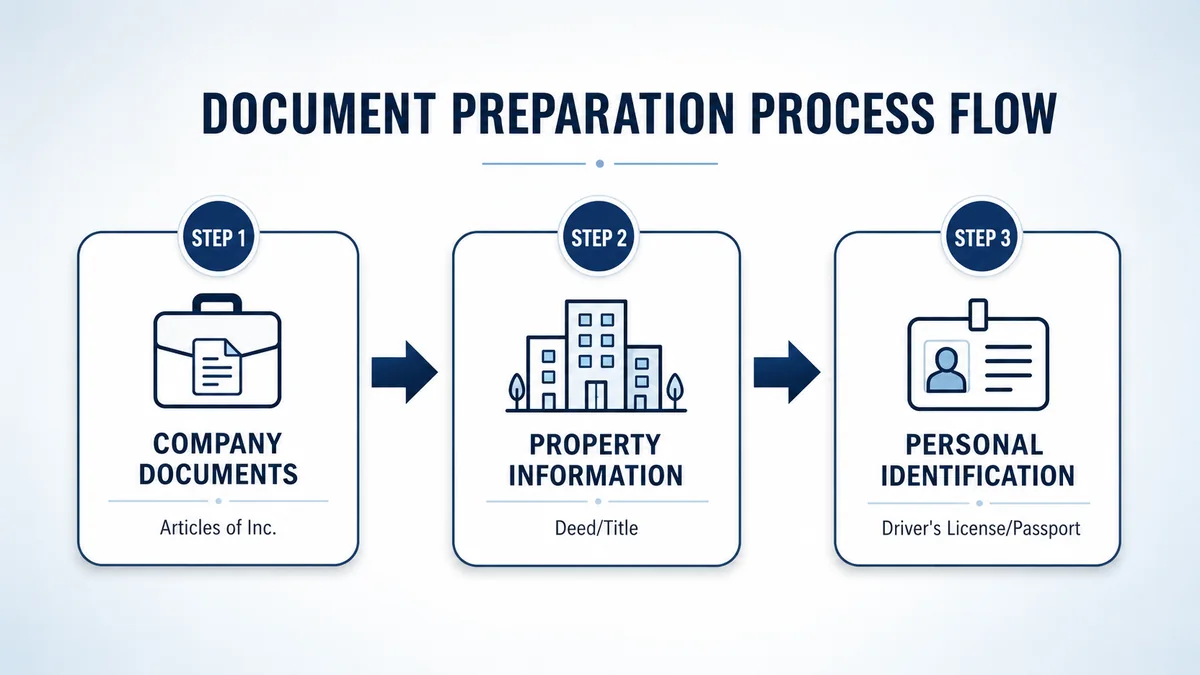
The safest sequence is activity classification → premises check → competent authority → case-specific application file → post-licence compliance.
5. Sıhhî Workplaces: How the Same-Day Issuance Rule Works
Article 12 of the Regulation provides a streamlined rule for sıhhî workplaces: after the workplace has been arranged in accordance with the Regulation, the applicant files the prescribed application/declaration form with the competent authority. If the application meets the Regulation criteria, the licence is issued on the same day. This is a specific rule for that category; it should not be presented as a universal same-day timetable for every workplace in Turkey.
Article 13 then provides for post-licence control. A licensed workplace is checked by the competent authority within one month, and where the authority identifies a correctable deficiency under this provision, a one-time fifteen-day period is provided to complete the required correction.
Operational lesson: the streamlined issuance route works best when the declaration, the actual activity and the physical workplace are aligned before filing.
6. The 2025/2026 Two-Month Ministry Route: What Article 45/A Really Does
A significant amendment published on 11 December 2025 added Article 45/A to the Regulation. If an operator has made an application that complies with the Regulation and the competent authority has not issued the workplace opening and operating licence within two months from the application date, the Ministry of Environment, Urbanisation and Climate Change is authorised, subject to the applicable revolving-fund fee, to issue the licence ex officio through its provincial directorate.
Article 45/A creates an additional review route after the two-month point. The provincial directorate requests the competent authority’s reasons and opinion; the competent authority has up to fifteen days to respond, and if no opinion is provided in time it is deemed positive for this procedure. After that stage, the provincial directorate examines the file and can issue the licence where the request complies with the Regulation.
For the official amendment, see the 11 December 2025 Resmî Gazete amendment (Decision No. 10681). The underlying Regulation is available in the official Resmî Gazete text.
7. How a Virtual Office Fits the Workplace-Licence Analysis
A registered business address and a workplace-opening licence cover different parts of the setup. A company using a virtual office as its registered address may have a different premises profile from a company operating a restaurant, clinic, warehouse, showroom or workshop. Where a physical operating premises is used, the licence and permit analysis follows the actual activity and location.
For the registered-address side of the decision, see Virtual Office in Turkey for Foreigners. If an operating location later changes, review the licensing impact together with the corporate-address steps in Change Company Address in Turkey.
8. Sector-Specific Layers: The Workplace Licence May Be Only One Part

Sector-specific businesses can require additional permissions beyond the general workplace-opening framework.
Before treating a workplace licence as the final approval, check whether the business model triggers another authority or specialist regime. Common examples include:
- Food and hospitality: food-business registration/approval, hygiene, fire and premises requirements can apply depending on the activity.
- Tourism and accommodation: tourism/accommodation authorisations and fire-safety requirements can sit alongside workplace licensing.
- Healthcare: company formation is separate from Ministry planning, facility licensing and activity-permit requirements.
- Industrial / manufacturing activities: workplace class, environmental, technical, zoning and organised-industrial-zone rules can materially change the route.
The correct question is therefore not “Which one licence does my company need?” but “Which approval layers attach to this activity, premises and operating model?”
9. A Practical Pre-Lease and Pre-Application Checklist
- Define the exact activity. Avoid a broad company-purpose description; identify what will physically happen at the premises.
- Confirm the workplace classification. Determine whether the activity is sıhhî, gayrisıhhî, public entertainment/rest or subject to a specialist route.
- Identify the competent authority. Confirm who is legally responsible for licensing that premises and activity.
- Check premises suitability before committing. Review approved use, building status, access, fire/technical requirements and any sector conditions.
- Map additional permits. Separate the workplace-opening layer from food, tourism, healthcare, environmental or other specialist approvals.
- Prepare the case-specific file. Use the official form and applicable rules rather than a generic internet checklist.
- Keep declarations and reality aligned. The actual workplace activity should match the application and licence.
- Plan post-licence compliance. Keep the workplace aligned with the licence conditions and any ongoing requirements that apply to the activity.

Workon coordinates company setup and operational-readiness workstreams for international founders in Turkey.
10. How Workon Can Support the Process
Workon can help founders coordinate the company setup, registered-address/workspace decision, document readiness and operational launch sequence, and can coordinate with the appropriate licensed or specialist professionals where regulated expertise is required. Public-authority licensing steps are managed within the applicable official procedure.
For foreign founders, the highest-value step is usually early scoping: identify the activity, premises model, workplace category and permit dependencies before signing a lease or committing to fit-out costs. This helps keep the company setup, premises decision and licensing sequence aligned from the beginning.
Key Takeaways
- Company registration and a workplace opening licence are separate legal/operational layers.
- There is no universal document list or timeline for every workplace category.
- For qualifying sıhhî workplaces, Article 12 provides a same-day issuance mechanism when the Regulation criteria are met; this should not be generalized to all businesses.
- Article 13 provides a one-month post-licence control framework and a one-time fifteen-day cure period for identified deficiencies under that provision.
- Article 45/A creates a Ministry route after two months for a Regulation-compliant application that has not been licensed by the competent authority; it is not automatic approval.
- A virtual office can be part of the registered-address model where it suits the activity; workplace-licensing requirements are assessed separately according to the real activity and premises.
- Sector-specific permissions can remain necessary even when the workplace-opening layer is complete.
Frequently Asked Questions
An İşyeri Açma ve Çalışma Ruhsatı concerns operation of a particular activity at particular premises. The competent authority is commonly a municipality, but can differ with the location and workplace category. Company registration and sector permissions are separate layers.
No single rule should be applied to every registered company. Whether a workplace-opening licence applies depends on the real activity, the premises from which it is carried out, the workplace category and the competent authority. A company that operates a physical shop, office, restaurant, workshop or other premises should check the current licensing position for that specific site and activity.
There is no universal document pack for every workplace. The competent authority determines the file according to the activity and premises. Depending on the case it can include company and tax records, right-to-use evidence, building or occupancy information, fire or technical evidence, professional certificates and sector-specific approvals.
Foreign founders should confirm the applicant, representation and eligibility requirements with the authority responsible for the specific activity and premises. Personal work authorisation and company\/workplace licensing are separate questions; satisfying one does not automatically satisfy the other.
A virtual office is not a universal workplace-licence exemption. Assess the real activity and where it is carried out, including any separate operating premises. The company's registered address and its workplace or sector permissions must be considered separately.
Note: Last reviewed 17 September 2026. This guide provides general operational information on workplace licensing in Türkiye. Workon coordinates the setup and licensing-readiness process with the relevant authority and appropriately licensed professionals according to the activity and premises.