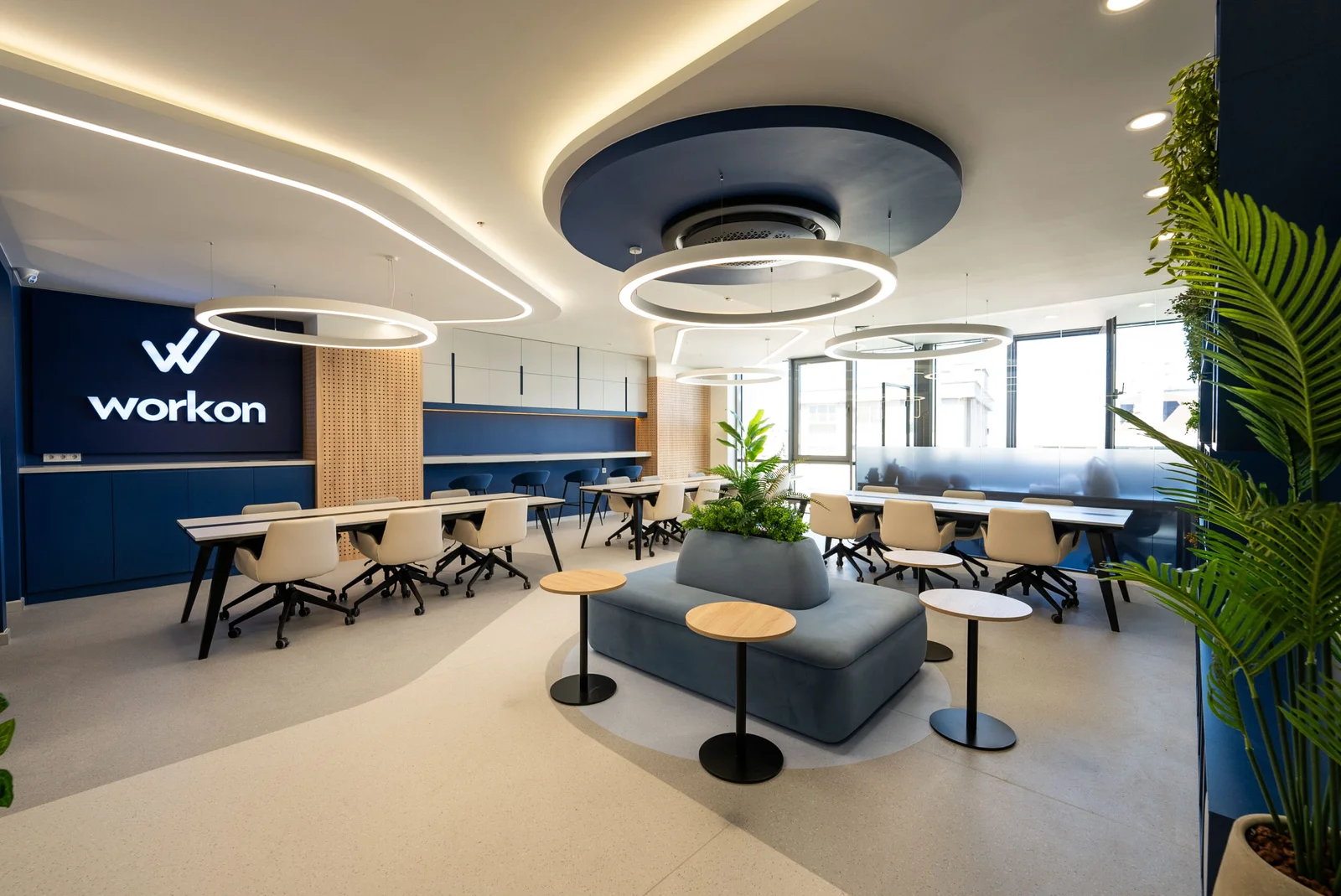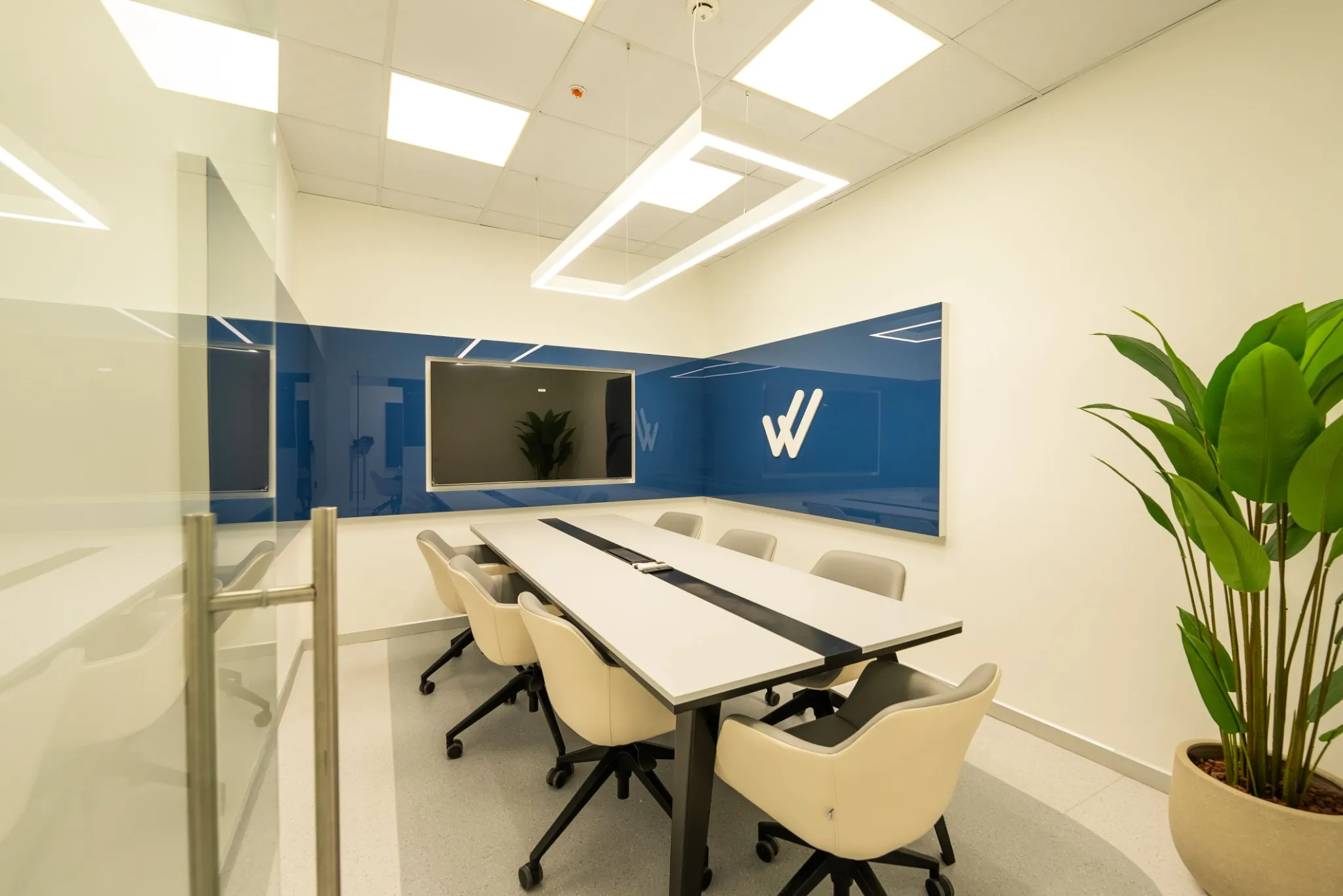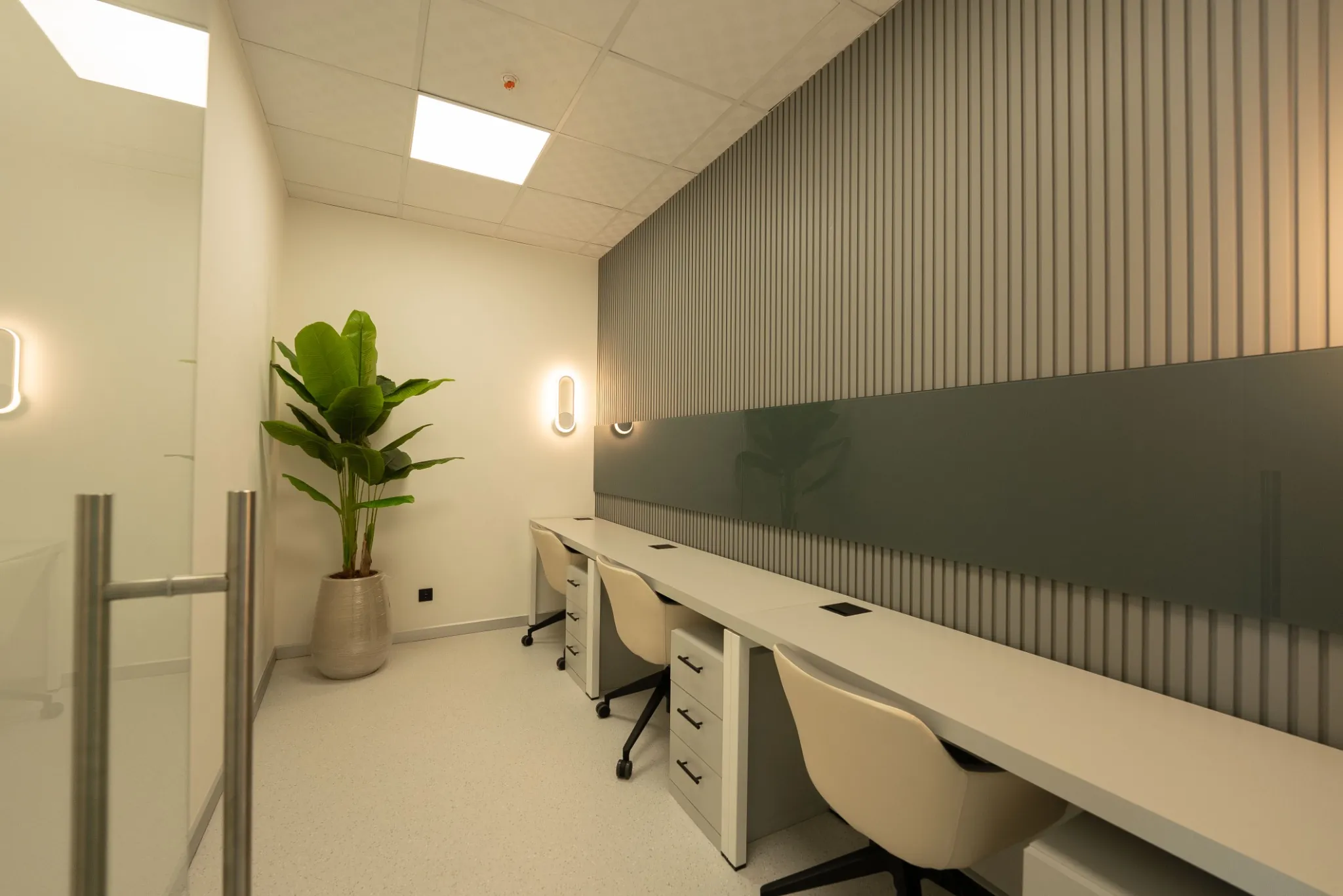
Coworking space prices in Istanbul vary by location, access hours, desk type and included services. Published prices are useful reference points, but they are not a reliable citywide average. Ask each provider for a current written quote showing VAT and any charges for meeting rooms, storage, guests and business-address services.
Some operators advertise day passes, others monthly hot desks or dedicated desks. These products are not directly comparable until you know how often you can enter, what facilities you can use and whether taxes are included. If you have not selected an area yet, first review Istanbul coworking locations and commute choices and Workon’s current Istanbul locations; this page concentrates on pricing and quote comparisons.
For founders and small teams, the practical decision is whether a membership supports everyday work, confidential calls, client meetings and—where needed—a separately agreed registered business address.
Your Guide to Coworking Costs in Istanbul
Three coworking providers may quote different prices because they offer different access hours, desk arrangements and services. Compare the total monthly cost for the same usage scenario, not just the headline membership fee. A freelancer who needs a desk twice a week may prioritize day passes, while a foreign founder may also need meeting facilities and a separately contracted business address.
Calculate the effective cost per day
Effective cost per working day = (monthly membership + expected paid extras + applicable VAT) ÷ actual days used. For example, a hypothetical TRY 6,000 monthly plan used on 10 days costs TRY 600 per day before extras and VAT. If you use it 20 days, the same membership costs TRY 300 per day before extras and VAT. These figures are an illustration, not a provider quote or market price.
For a fair comparison, ask each operator for the same scenario: 10 or 20 desk days, two hours of meeting-room use, one guest visit, and any required mail or registered-address service.
A realistic way to assess cost
Start with use, not branding.
A low desk fee can be offset by hourly meeting-room charges, storage, guest fees or travel between locations. Confirm separately whether registered-address use is included and suitable for your activity. Calculate those costs for your expected routine instead of assuming that a cheap membership will cover every operational need.
So, to help compare, this is a 5-point comparison of the best coworking spaces: desk access, space to work privately, meeting rooms, use of address and mail, and contract flexibility.
Practical rule: Compare the total cost over the same commitment period. Check the agreed rate, renewal or adjustment terms, paid extras and cancellation obligations; do not assume that today’s advertised price remains fixed indefinitely.
Where buyers usually get caught out
First, beware of spaces that seem to be compared to each other in listings as if they were on sale in a store. For example, it’s possible for two spaces to charge about the same monthly amount and still be very different in value to different people.
Here’s another important point that many people, especially entrepreneurs who have never worked out of a shared office space before, often get wrong – administrative fit. Is this workspace going to help you or your business in any way to form a company, to handle correspondence, to run your business on a day to day basis?
A basic hot-desk plan can be the right choice when it meets your needs. Compare each offer against your required access, privacy, meetings, address rights and contract flexibility; a higher price is not proof of better service or a better fit.
Hot Desks, Dedicated Desks, and Private Offices Explained
A low-cost hot desk can become less economical when frequent meetings, confidential calls and equipment storage require separate paid services.
These three options differ mainly in seating certainty, privacy, equipment storage and total cost. Choose based on your working pattern rather than assuming that the most expensive option is always the most professional.
Hot desk
A hot desk provides access to available shared seating rather than an exclusive workstation. It can suit occasional attendance, but a day pass, part-time plan or monthly membership may be cheaper depending on actual use. No single arrangement is the lowest-cost option for every founder.
Before choosing a hot-desk membership, confirm seat reservation rules, access days, lockers, call booths, meeting-room availability and fees for printing or other extras. For occasional visits, compare the full cost of day passes with a monthly membership instead of assuming one is always cheaper.
Dedicated desk
A dedicated desk gives you an assigned workstation and can suit regular attendance or equipment that stays onsite. It provides continuity, not an automatic cost saving. Compare its fee and inclusions with a hot-desk membership for the same number of days, users and paid extras.
An assigned desk can reduce setup time, but it does not create an enclosed workspace. Check equipment storage, access and meeting-room rights in the written plan. If frequent private calls or confidential work are essential, include the cost and availability of a bookable private space in the comparison.
Private office
A private office within a shared facility is an enclosed room with an agreed capacity and access arrangement. It can suit teams with frequent calls or confidential work, but check sound separation, lockability, guest access and secure storage before relying on it for sensitive information.
A private office may be quoted per room while coworking is quoted per person. For a team, compare the room price with the combined membership fees and paid extras for all users; a private room is not automatically the more expensive option. For a room-based quote checklist, see the serviced office pricing guide. Check sound privacy, guest capacity, storage and meeting-room entitlements separately, because an enclosed room does not guarantee every facility or level of confidentiality.
Headcount alone should not decide the model. A solo consultant with confidential calls may need an enclosed room, while a larger team working on separate schedules may use shared desks effectively. Compare room capacity, privacy and access needs against the total quote.
What each option really buys you
| Membership Type |
Typical Cost Position |
Best For |
What You Are Really Paying For |
| Hot desk |
Often a lower entry fee; compare access days and inclusions |
Freelancers, solo founders, hybrid workers |
Flexibility and low commitment |
| Dedicated desk |
Assigned-desk rate; compare total cost with equivalent access and extras |
Regular office users, operators with equipment, small teams on staggered schedules |
Stability, setup continuity, predictable daily use |
| Private office |
Usually quoted per room; compare with the total price for all users |
SMEs, client-facing teams, businesses needing privacy |
Control, confidentiality, team coordination, stronger presentation |
Practical decision filter: choose the lowest-cost arrangement that provides the access, privacy and support your work actually requires.
- Choose hot desk if you work in person only part of the week and can tolerate a shared environment.
- Choose dedicated desk if you want a fixed setup and expect to use the space most working days.
- Choose private office if privacy, calls, storage, or team coordination already affect your revenue or operations.
If you need official address use or company-mail handling, check these requirements separately from your physical desk membership. Coworking does not automatically include either service.
Why Do Coworking Prices in Istanbul Vary So Much?
Costs change with location, access hours, seating certainty, privacy, contract length and the specific services included in the written offer.
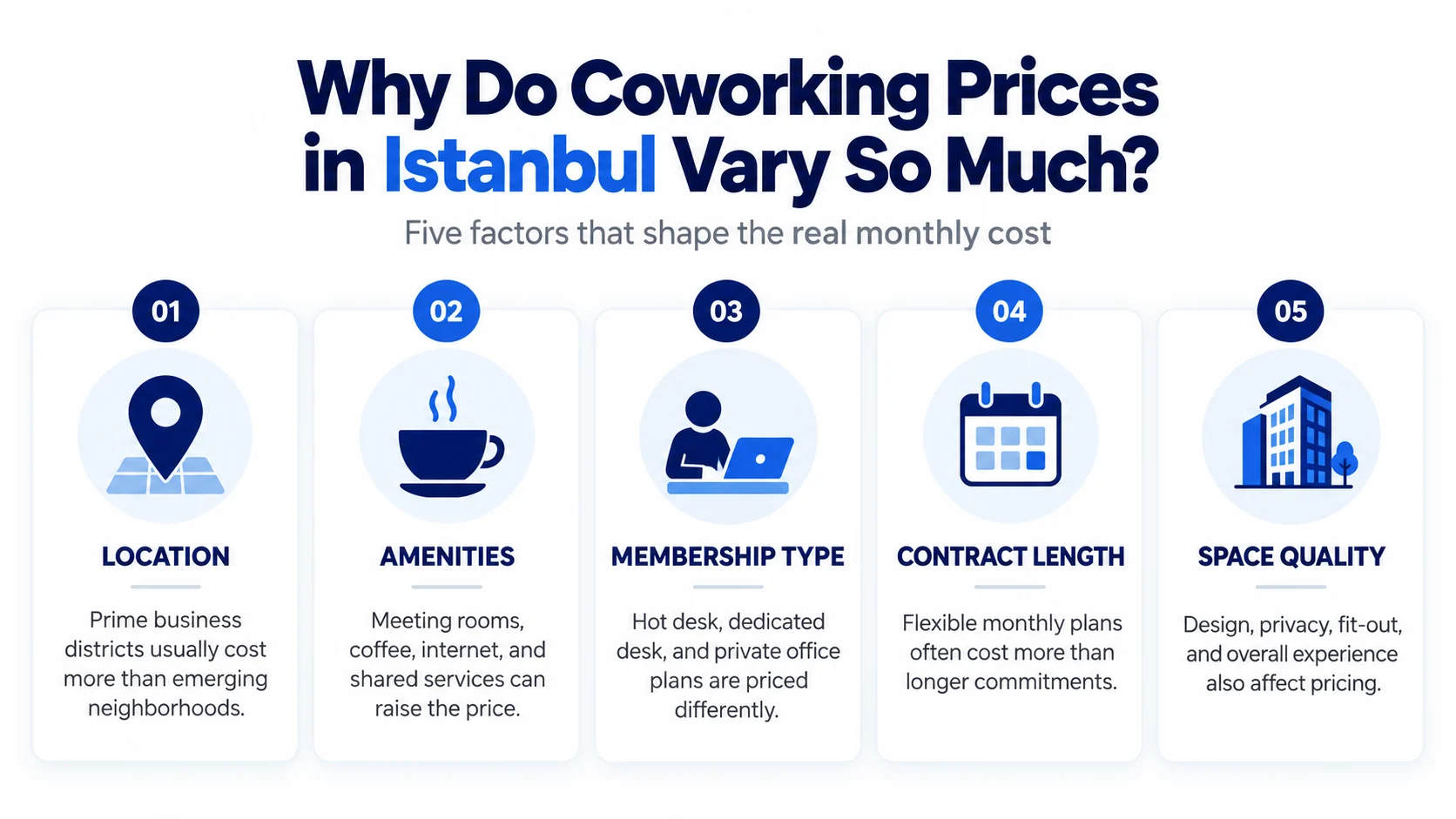
Check the full membership price, including extras and VAT, before comparing coworking offers.
Location changes the value of the same product
Location affects rent, accessibility and client convenience. Compare the actual commute and transit connections of each address, whether on Istanbul’s European or Asian side. A less expensive desk may cost more overall if frequent cross-city travel consumes working time.
Brand and fit-out raise the ladder
Some operators sell access. Others sell polish.
A provider’s price should be assessed against its location, access rules, facilities and contractual inclusions. A market-size forecast does not tell you whether an individual membership is good value, and quoted prices should always be checked against the provider’s current offer.
Premium reception areas, meeting rooms and design can justify a higher price when they materially improve your work or client experience.
The contract also changes the price
Short term stays are less preferred by coworking operators as they offer less predictable occupancy to the operator. This is why short term stays are generally priced at a premium to longer term stays.
For a short trial, compare flexibility and the total payable amount. A longer commitment may reduce the monthly rate, but it does not guarantee the lowest total cost and still creates contractual obligations. Confirm the term, deposit, renewal and exit rules before choosing either arrangement.
Just because you’re testing the market, it doesn’t mean you have to sacrifice flexibility for lower rates. Remember, short stays in temporary locations can quickly become costly if your business takes off sooner than you expect.
Beyond the Monthly Fee: What Are the Hidden Costs?
The advertised monthly fee is only the starting point for comparing coworking offers.
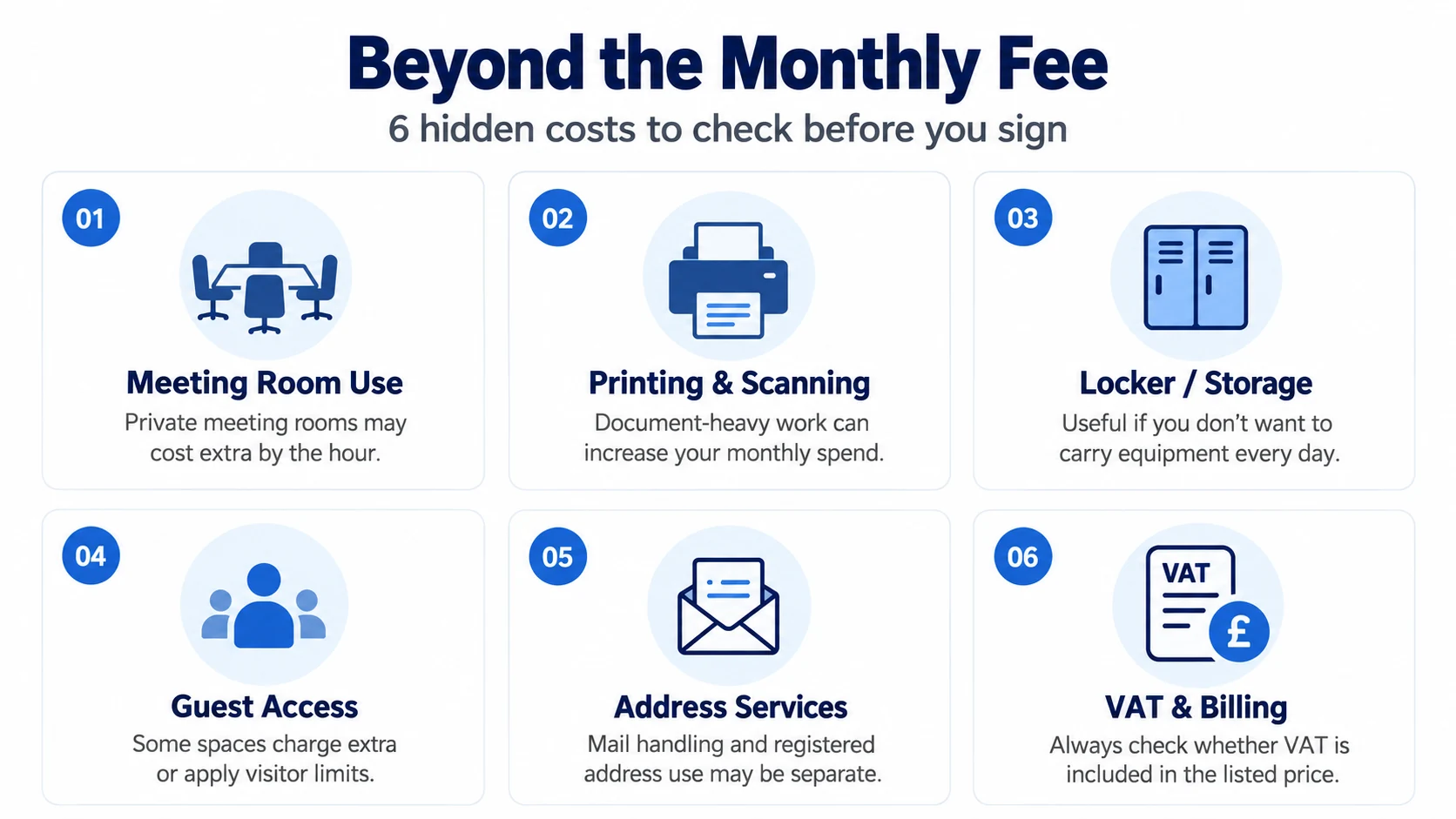
Check the full membership price, including extras and VAT, before comparing coworking offers.
What the listing often doesn’t tell you
Coworking space prices in Istanbul are not always presented in the same way. Some providers advertise monthly memberships, while others focus on day passes or starting prices. More importantly, the advertised rate may not clearly show whether meeting room access, printing, storage, guest access, business address services, or VAT are included. Before comparing two offers, check the full list of services and additional charges so you can understand the real monthly cost.
That means two offers with the same monthly fee can have very different real-world cost.
The common extras are familiar once you know where to look:
- Meeting room use: A membership may include access to the building but not meaningful meeting hours.
- Printing and scanning: Fine for occasional use, expensive if your workflow is document-heavy.
- Locker or storage: Important if you don’t want to carry equipment every day.
- Guest access: Some spaces are relaxed, others are strict.
- Address-related services: Mail handling and registered office use may be separate.
- VAT and billing structure: Essential for budgeting and bookkeeping.
Example: compare the full monthly bill
| Cost component |
Offer A |
Offer B |
| Desk membership |
TRY 5,000 |
TRY 6,500 |
| Meeting rooms |
TRY 1,500 |
Included |
| Storage |
TRY 500 |
Included |
| Total before VAT |
TRY 7,000 |
TRY 6,500 |
Illustrative amounts only, not current offers from any operator. Apply the relevant VAT treatment to each actual quote. This shows why a lower advertised desk fee does not always mean a lower total cost.
The key questions to ask before signing
Use this list during your viewing or contract review.
- Ask what is included in writing: Don’t rely on a verbal tour. Ask for the exact membership inclusions.
- Check the tax treatment: Confirm whether VAT is included or added on top.
- Clarify meeting room terms: “Discounted” does not mean “included”.
- Review cancellation rules: Flexible office doesn’t always mean flexible exit.
- Check address rights: Can you use the address for mail, company materials, or legal registration purposes?
- Read the contract type carefully: If the arrangement starts looking closer to a fixed premises commitment, it helps to understand the basics of a commercial lease agreement in Turkey.
A low monthly fee is only a good deal if it covers the functions you actually need every week.
Avoid comparing incomplete quotes
Most errors occur when comparing a provider’s “all-in”-price with a “basic”-price from a competitor plus optional services required by the business anyway.
Build a simple monthly usage scenario: desk days, meeting hours, guests, storage and mail needs. Ask for an itemized quote and confirm separately whether the location is suitable for the company’s activity and legal address requirements.
Compare Coworking Quotes Against One Realistic Usage Scenario
Choose a typical month before requesting quotes: how many team members will attend, how many days they will use a desk, how many client meetings need a private room, and whether the business needs an official address or mail-handling service. Request comparable written offers for that same usage pattern. A low advertised desk rate may be a poor fit when guest access, meeting rooms or storage are charged separately.

Choosing the right coworking space in Istanbul means comparing price with your actual work pattern, location and included services.
Match the membership to actual attendance
Occasional attendance: Compare day passes and part-time plans using the total cost for the expected number of days. Regular attendance: Compare hot-desk memberships with assigned desks, including reservation and storage rules. Small teams: Compare the combined cost of each user’s desk with a private room priced for the same team.
Use a simple comparison: monthly membership + expected meeting-room charges + recurring extras + applicable VAT. Divide by the number of days actually used only when the result is useful to your decision. Do not compare a VAT-inclusive offer with a VAT-exclusive offer or a desk-only plan with a room-and-address package.
Check contract length and exit costs
Short-term access can carry a higher monthly rate, while longer commitments may offer better prices. The relevant comparison is the total amount you are committed to paying, not the discount percentage. Ask providers the same questions:
- What is the price for the required number of users with no long-term commitment?
- How does the total change under a three-, six- or twelve-month term?
- Which meeting-room, printing, guest and storage allowances are included?
- What notice, renewal, deposit or termination terms apply?
- Does this exact offer grant company-address rights, or is another agreement needed?
Test the workspace when you intend to use it
Visit at your normal working hour rather than relying only on a staged tour. Ask to check the work area, call privacy, Wi-Fi, room-booking availability, reception arrangements and the actual walking route from public transport. If a service is operationally important, request its exact scope in writing.
- Calls and confidentiality: Check whether phone booths or private rooms can be booked when needed.
- Internet and power: Confirm practical availability rather than relying on advertised speeds alone.
- Meetings and guests: Check booking windows, additional charges and visitor arrangements.
- Mail and registered address: Ask who can receive company correspondence and whether the contract permits official address use.
- Location: Test the real commute and building access instead of relying only on the district name.
For a wider comparison between virtual office, coworking and conventional premises, see the Istanbul workspace model guide. For Workon’s actual coworking offer, use the coworking service page and request a dated quote. This article is a comparison method, not a promise of a particular price or availability.
Include Address Services Only When the Quote Grants Them
A coworking desk does not automatically include registered-address rights or company-mail handling. Where you need these services, ask whether the quoted membership includes them, whether a separate agreement is required and what additional fee applies. Do not add a second address-service charge if the equivalent service is already included.
Compare complete alternatives for the same actual use: a coworking membership with the required address service, versus a suitable address-only arrangement plus the desk or meeting days you would separately buy. Neither is always cheaper. For deciding the address model itself, use the registered-address options guide; for seating, access and guest arrangements, use the shared-office usage guide.
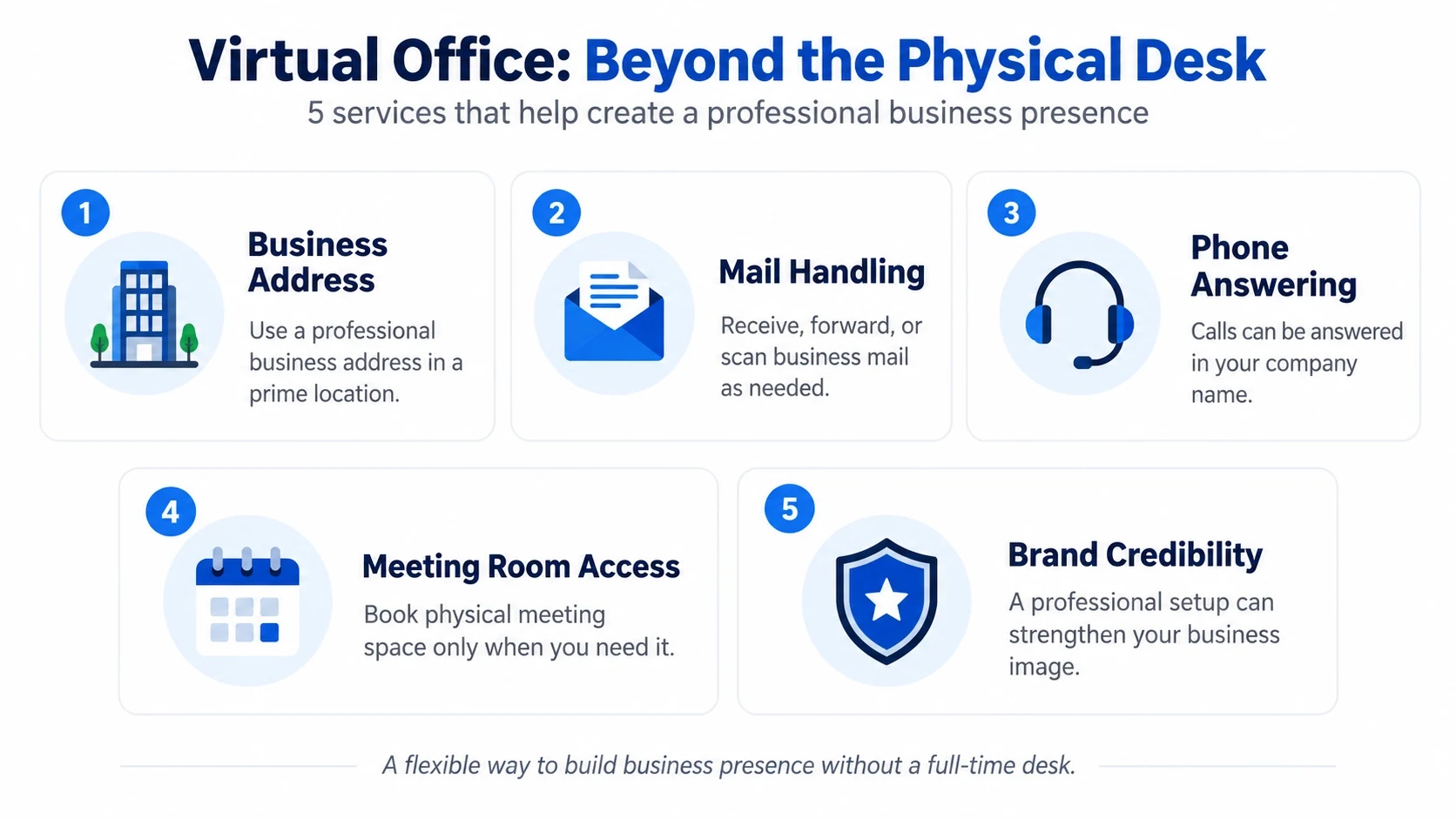
Check whether address and mail services are included in the coworking quote or priced separately.
Making Your Final Decision: A Summary for Entrepreneurs
The right workspace in Istanbul depends on how your business operates, not on whichever listing looks cheapest at first glance.
Keep these points in mind:
- Use a current, comparable benchmark. Request dated quotes for the same desk type, access hours and included services rather than treating one advertised starting price as the citywide minimum.
- Compare occupancy cost, not just membership fee. Meeting rooms, address use, printing, guest policy, and VAT can change the actual monthly bill.
- Match the product to your working pattern. Occasional users, daily operators, and privacy-sensitive teams should not buy the same membership.
- Use commitment length strategically. Longer terms can improve pricing, but only if your business is stable enough to use them.
- Separate desk needs from legal presence needs. For some companies, a virtual office is a smarter first step than a full-time physical seat.
Next actions that make the decision easier
- Define the core need first: Daily desk, meeting base, or legal address.
- Shortlist a few spaces: Don’t compare ten. Compare three seriously.
- Request written inclusions: Especially for VAT, meeting room terms, and address use.
- Visit at working hours: Not just for the tour.
- Check company setup implications before signing: This saves time later.
If you’re opening or structuring a business in Turkey, workspace choice is part of a wider compliance and cost decision. Treat it that way, and you’ll make a cleaner move.
If you need help matching your workspace choice to company formation, legal address requirements, and day-to-day setup in Turkey, Workon can help you assess the practical options before you commit. That’s often the fastest way to avoid paying for the wrong type of office too early.
Prices vary by location, desk type, access hours and included services. Compare current written quotes including VAT and any additional charges rather than relying on a citywide starting price.
Typically workspace access and shared facilities. Meeting rooms, printing, lockers, guest access, mail handling and business address services may be separate.
A hot desk generally has a lower entry cost, while a dedicated desk provides a fixed workstation. Compare the total cost against how frequently you use the space.
Not always. Ask the provider to specify whether VAT is included and confirm the total payable amount in writing.
Desk access does not automatically include registered-address rights. Confirm the separate address agreement and whether the premises suit your activity and any licensing requirements.