If an existing Turkish company adds a second location, do not begin with “branch or subsidiary?” First classify what the new place will actually do. It may be only additional workspace, a distinct branch of the same Turkish company, an activity-specific workplace that creates separate licensing/SGK/address requirements, or a genuinely separate new legal entity.
This classification should be made before signing the premises agreement. The same furnished office can create very different registry and operational consequences depending on whether it is only used by staff, registered as a branch, opened to customers, used for storage/production, or tied to a regulated activity.
This guide is for companies that already have a Turkish entity and want to add another office, team location or operating point in Turkey. If the existing head office is being replaced rather than retained, use the company address-change guide. If your foreign parent company has no Turkish entity yet, use the separate foreign-company market-entry structure guide.
Start With This Three-Way Test
| Your situation |
What it usually means |
Next step |
| No Turkish entity exists yet |
This is a foreign-company market-entry question, not a second-office question |
Compare subsidiary, foreign-parent branch and liaison office |
| An existing Turkish company only needs extra desks, rooms or occasional meeting space |
This may be a workspace decision rather than a new registered operating unit |
Confirm address, employee and activity implications before assuming a branch filing is needed |
| An existing Turkish company is opening a permanent operating point |
The location may need branch/workplace, SGK, tax, municipal or sector-specific treatment |
Classify the location before signing the premises agreement |
Do not let the real-estate label decide the legal classification. A place marketed as an “office” can still have different Trade Registry, tax, SGK or licensing consequences depending on what the company actually does there.

A second office should be planned as an operating-location decision, not confused with creating a new subsidiary.
Second Office, Additional Workplace or Registered Branch?
A company can use more than one physical workspace, but the legal treatment depends on how the new location functions. If the location operates as a branch of the company, it must be registered accordingly with the Trade Registry.
For an Istanbul limited liability company, the current Istanbul Chamber of Commerce branch-opening guidance starts with a MERSİS application/request number and then requires the branch-opening filing, including the petition, Chamber registration declaration and the company decision authorizing the branch. The petition must also identify the opening date and actual activity/NACE information. A joint-stock company follows its own corporate-decision/document route.
This is a branch of an existing Turkish company. It should not be confused with a foreign parent company registering its first Turkish branch; that foreign-parent process is covered separately in the foreign-company branch registration guide.
| Situation |
What to check |
| Occasional desk or meeting use |
May be only a workspace arrangement; confirm address and activity implications |
| Permanent staffed office |
Assess branch/workplace registration, SGK, tax and address consequences |
| Separate customer-facing location |
Branch registration and premises-specific requirements may apply |
| Warehouse, store, workshop or regulated premises |
Check sector, municipal, license and premises requirements before signing |
| New company with separate ownership |
This is not simply a second office; evaluate a separate subsidiary/company structure |
Four Possible Classifications for a Second Location
| New location model |
Main question |
Typical next check |
| Additional workspace only |
Is the team simply using desks/rooms without creating a distinct operating unit? |
Workspace contract, address use, employee/premises implications |
| Registered branch of the same Turkish company |
Will the location operate as a separately registered branch under the existing company? |
MERSİS, company decision, Trade Registry/Chamber file |
| Activity-specific workplace |
Does the location involve customer access, storage, production, workshop, retail or another premises-sensitive activity? |
Municipal/sector license, SGK workplace, NACE/activity and premises suitability |
| Separate new legal entity |
Do you need different shareholders, governance, assets or risk allocation? |
New-company/subsidiary analysis rather than a second-office filing |
A permanent staffed office is not automatically a registered branch merely because employees sit there, and a customer-facing or specialized premises should not be classified from a generic blog rule. Confirm the legal/operational use before signing, because Trade Registry, tax, SGK, municipal and sector-specific consequences depend on the facts.
How a Turkish Limited Company Opens a Branch
Current Istanbul Chamber of Commerce guidance for a limited liability company branch opening includes the following core workflow. The Ministry of Trade’s MERSİS system is the electronic starting point for the commercial-registry application:
- Create the MERSİS application. The branch-opening registration starts electronically and generates an application/request number.
- Prepare the corporate decision. The company must validly approve the branch opening through the required company decision process.
- Prepare the petition and chamber registration declaration. The filing identifies the company, opening date, actual activity and NACE information.
- Appoint the branch representative. The branch representative’s required signature declaration is included in the registry file.
- Submit the file to the relevant Trade Registry/Chamber unit. Registry review and registration follow the MERSİS application.
The document set differs by company type and factual situation, so do not rely on a generic checklist written for a foreign-parent branch.
Choosing the Location for a Second Office
The best second-office location depends on why the company is expanding. Compare:
- employee commute and metro access;
- customer and supplier geography;
- need for private rooms versus shared desks;
- meeting frequency and guest reception;
- activity-specific premises or license requirements;
- whether the location will become a registered branch address;
- future headcount and room-expansion needs.

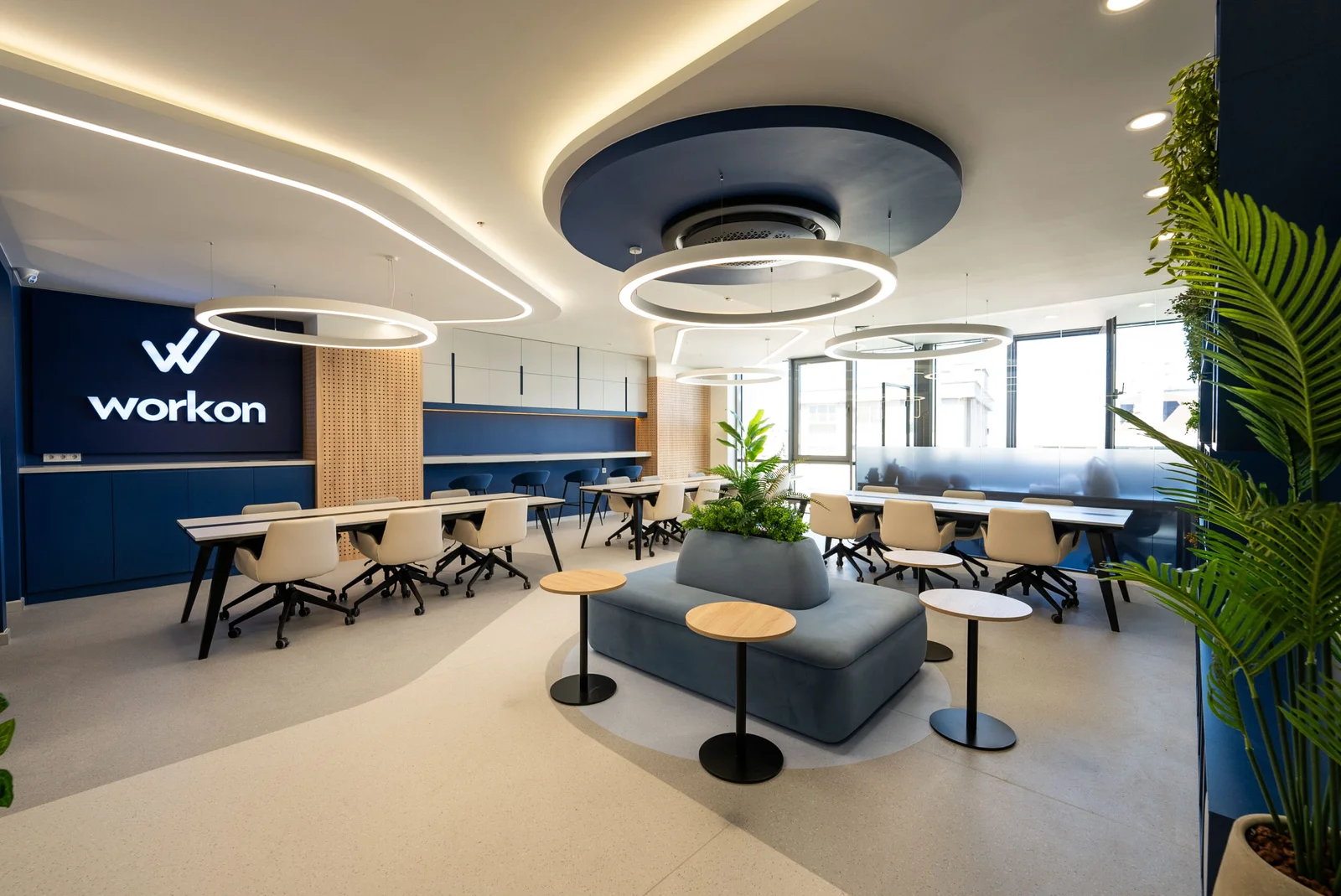
Workon coordinates company and office expansion workflows in Turkey.
Workspace Options for the Second Location
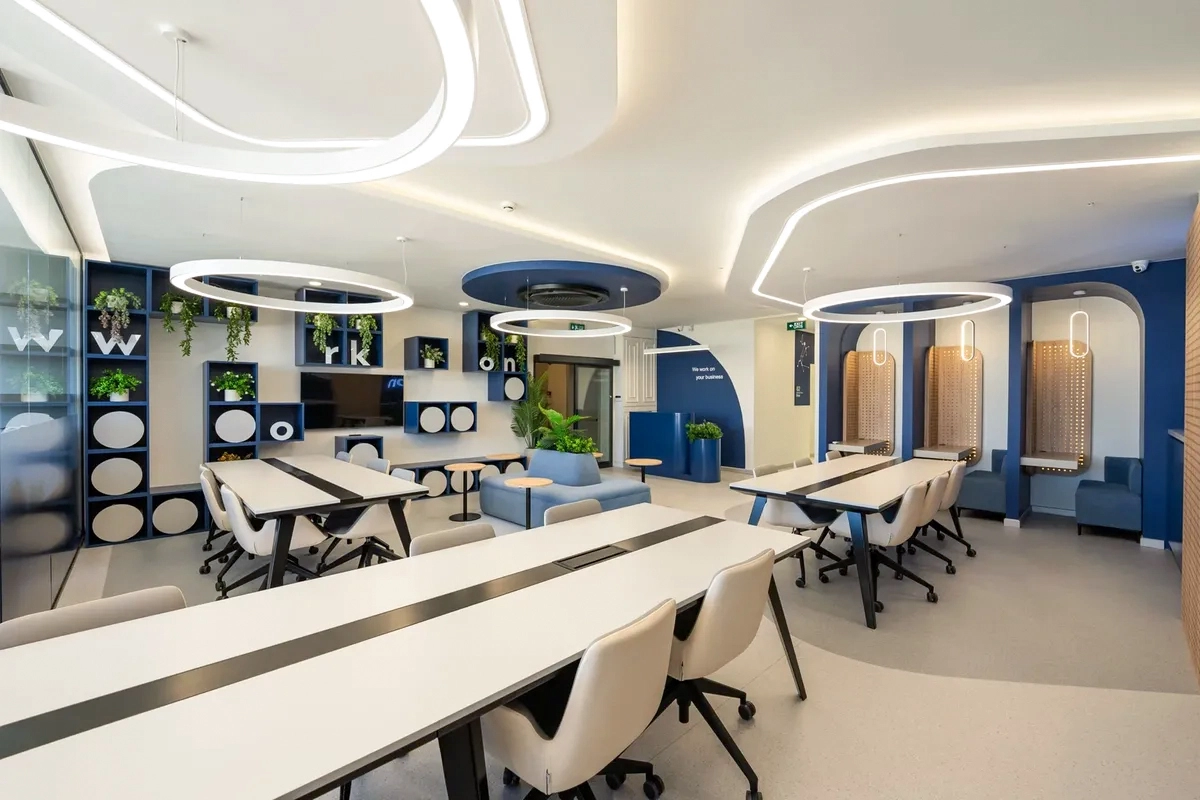
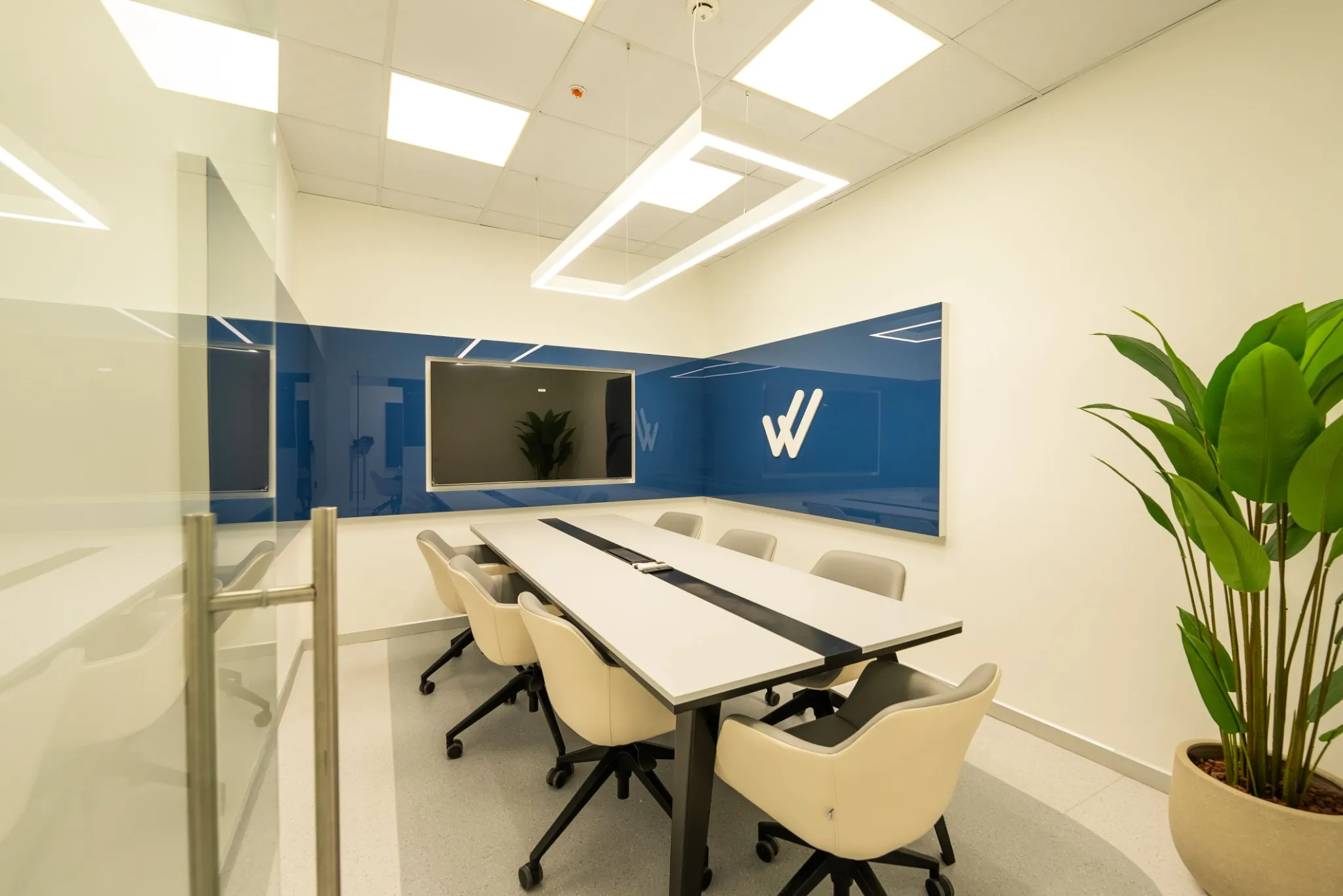
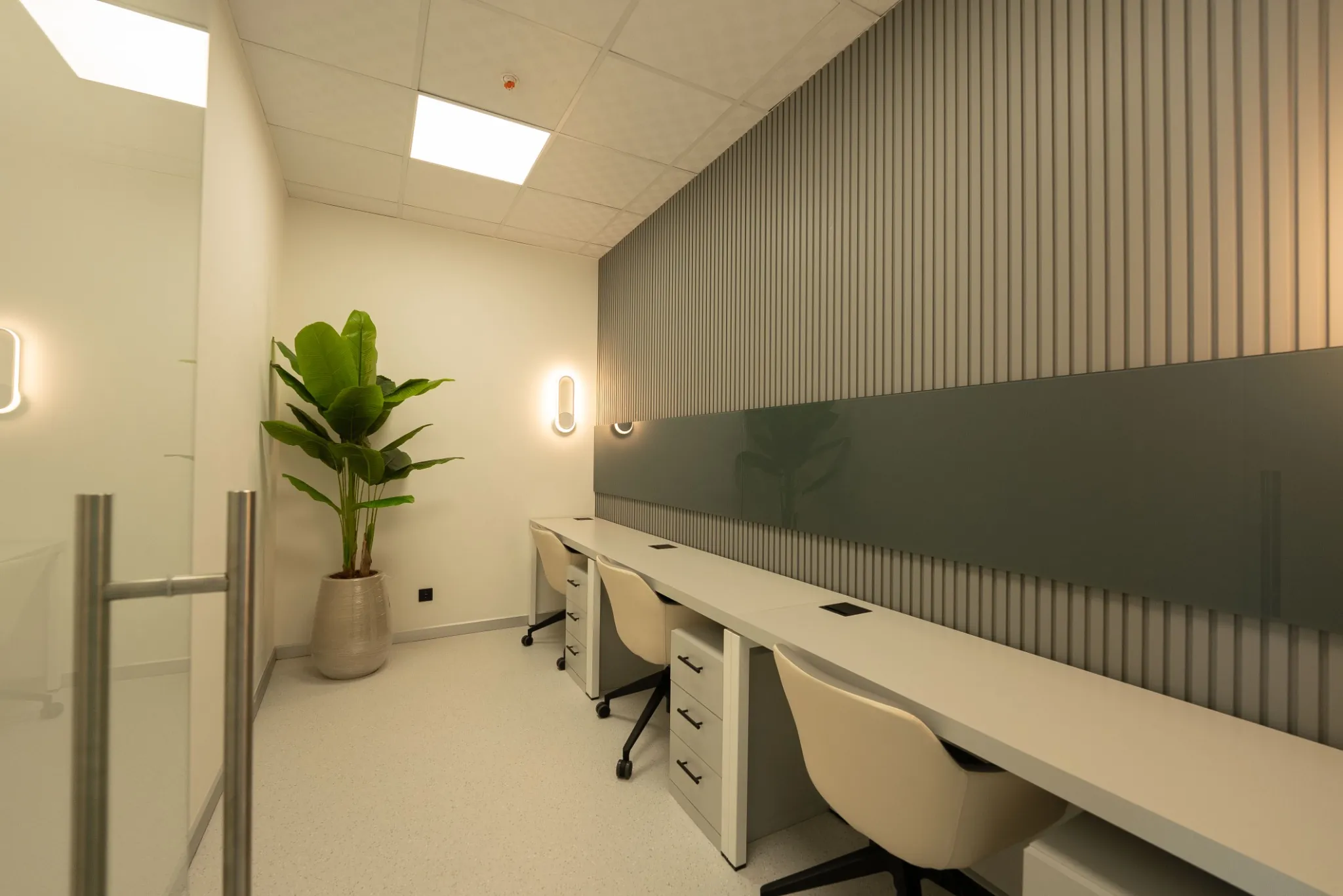
A second office does not always require a traditional long-term lease. Depending on team size and activity, an existing Turkish company can compare coworking, serviced/private office and conventional leased premises.
| Workspace model |
Useful when |
Current Workon starting price |
| Coworking / shared office |
One or a few staff need regular desks without a private room |
€150 + VAT per person/month |
| Serviced/private office |
A small team needs an enclosed ready-to-use office |
€450 + VAT/month for a 3-person room; larger rooms cost more |
| Meeting room |
The team only needs professional client or project meetings |
From €10 + VAT/hour |
| Traditional lease |
The company needs customized long-term premises |
Property- and contract-specific |
Last reviewed: 17 September 2026. Workon’s live workspace pricing was rechecked: coworking starts from €150 + VAT per person/month, a 3-person private office from €450 + VAT/month, and meeting rooms from €10 + VAT/hour.
For a three-person second office, Workon’s current pricing creates a useful comparison: three coworking memberships total €450 + VAT/month, while a 3-person private office also starts from €450 + VAT/month. That does not make the two products equivalent, but it means a three-person team should compare shared flexibility versus a dedicated private room instead of assuming coworking must be cheaper. Availability and exact package terms still need to be confirmed.
For a detailed workspace-model decision, see Virtual Office vs Coworking vs Serviced Office in Istanbul.
Post-Registration Operational Checks
If the new location is registered as a branch or permanent workplace, consider the following after the Trade Registry step. Tax and SGK use different triggers. Current GİB guidance reflects VUK General Communiqué No. 546: a change that is otherwise tax-reportable and is registered with the Trade Registry within the statutory period is treated as timely reported without a duplicate tax-office notification. By contrast, increases or decreases in the number of workplaces other than branches continue to be reportable to the tax administration, generally within the one-month change-notification framework.
For SGK, an operating point where 4/1-a insured employees are actually employed can create a separate workplace-registration question even if the location is not a Trade Registry branch. SGK’s current employer guidance states that a workplace declaration for a workplace beginning to employ insured persons is due no later than the date insured employment starts. Classify the actual employment/workplace facts before moving staff rather than assuming the Trade Registry label alone decides the SGK route.
- tax-office records and address consistency;
- CPA/accounting treatment of the branch;
- SGK workplace/employer requirements if staff work from the location;
- municipal or sector-specific license requirements;
- bank, contract, invoice and official-record address use;
- mail handling and official notifications;
- signage, building management and premises rules.
Do You Need a New Company for the Second Office?
Usually not merely because you are opening another location. If the same Turkish company will own and operate the second location, a branch or additional workplace structure may be sufficient depending on the facts.
A new subsidiary or separate company becomes a different strategic decision when you want separate shareholders, assets, risk allocation, investors, business lines or governance. For that question, use Branch Office vs Subsidiary in Turkey.
Before Signing the Second-Office Agreement: Checklist
- Define the operating purpose. Is this only workspace, a separately run branch, customer premises, storage/production or another specialized workplace?
- Confirm the legal classification. Do not let the real-estate label “office” decide whether Trade Registry or workplace filings are required.
- Check activity and NACE consistency. Make sure the activity planned at the location matches the company’s registered scope and any branch filing.
- Check premises suitability and licensing. Review municipal, sector, building-management and other location-specific requirements before commitment.
- Plan employee/SGK treatment. Confirm whether the location creates a separate workplace-registration or payroll administration requirement.
- Decide how the address will be used. Workspace use, branch address, invoice/contract address and registered-headquarters use are not automatically the same.
- Choose the workspace by real headcount. Compare coworking, private office and lease costs on the same team-size basis.
- Map the registry file if it is a branch. Prepare the company decision, MERSİS application and Chamber/Trade Registry documents before the planned opening date.
- Align tax/CPA and operational records. Plan how the new branch/workplace will appear in the company’s books, official records and internal processes.
- Update downstream systems. Review signage, mail, contracts, bank records, permits, insurance or customer communications where the new location must appear.
How Workon Supports Second-Office Expansion
Workon can coordinate the practical expansion workflow for an existing Turkish company, including workspace selection, branch/address preparation, meeting and private-office solutions, Trade Registry process coordination, banking-support touchpoints and tax/CPA onboarding coordination where the new location changes the company’s operational records.
For a ready-to-use team office, review private and serviced offices in Istanbul. For shared desks, see coworking offices in Istanbul.
Frequently Asked Questions
No. First classify what the new location will actually do. It may be additional workspace, a registered branch, an activity-specific workplace with separate SGK or licensing consequences, or a genuinely separate company. The real operating use should be determined before signing the premises agreement.
Where the existing Turkish company will operate a separately registered branch, the company must complete the applicable MERSİS, corporate decision and Trade Registry or Chamber process. A location used only for occasional desks or meetings should not automatically be treated as a branch.
Usually not merely because another location is being added. A separate company becomes a different strategic choice when different shareholders, assets, risk allocation, investors, business lines or governance are needed. Otherwise a branch or additional-workplace analysis may be more appropriate.
Potentially yes, depending on how the location will be used and whether the address, employee, branch and premises requirements are compatible with that workspace model. A customer-facing, warehouse, workshop, retail or regulated location can require different premises and licences.
No. Work-permit criteria are route- and case-specific and can include exemptions or alternative conditions. The employer should assess the applicable current Ministry criteria, lawful work start, workplace and SGK position separately rather than applying one generic five-Turkish-employees rule to every foreign hire.
Confirm the operating purpose, legal classification, NACE and activity fit, premises and licensing requirements, employee and SGK consequences, intended address use and any branch-registration file. For tax, current GİB guidance distinguishes Trade Registry-registered changes from increases or decreases in non-branch workplace count; for SGK, a location where 4\/1-a insured employees are employed can create its own workplace-registration trigger. Map these routes before moving staff or signing the premises agreement.