Choosing a business location in Turkey should be an evidence exercise, not a city-popularity contest. Before committing to a registered address, office, warehouse, shop, clinic, factory or other premises, test the location against customers, talent, suppliers, logistics, permits, site suitability and total operating cost.
This guide covers business-location validation methodology. It does not rank Turkish cities. For the city-by-city comparison, use Best Cities in Turkey to Start a Business: 2026 Guide.
| Validation gate |
Question |
Evidence to collect |
| Customers |
Where are buyers and decision-makers actually located? |
Customer meetings, delivery radius, travel time, sales data |
| Talent |
Can the business hire the roles it needs at sustainable cost? |
Live job-market tests, recruiter input, commute catchment |
| Supply chain |
How close are suppliers, ports, airports, warehouses and service partners? |
Freight quotes, lead times, carrier routes, supplier map |
| Premises |
Can the exact site lawfully support the activity? |
Right-to-use, zoning/use, licence and facility checks |
| Economics |
What is the total occupancy and operating cost? |
Rent, deposit, fit-out, utilities, transport, insurance, taxes/fees |
| Resilience |
What could interrupt operations? |
Supplier concentration, access, infrastructure, continuity plan |

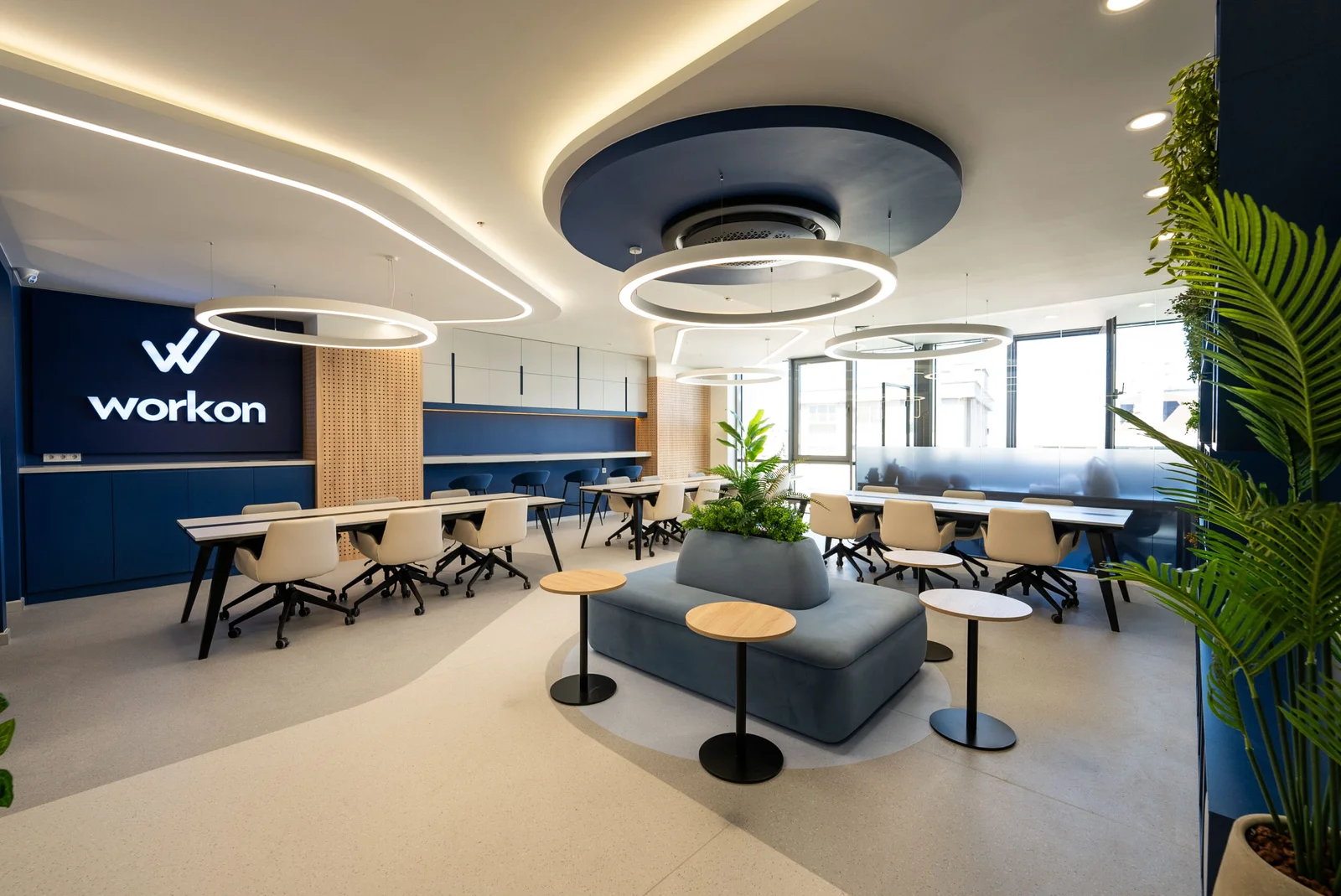
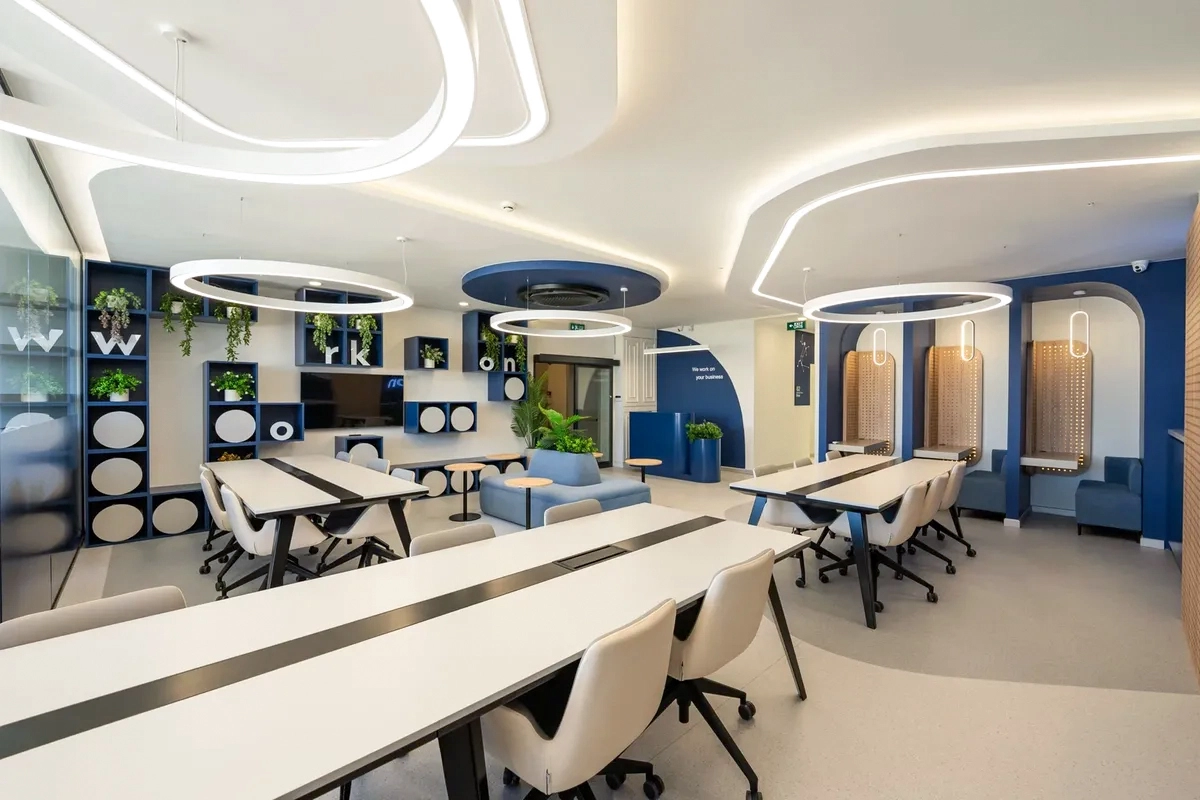
The registered address, workspace and operating site should follow the real business model.
1. Separate the Registered Address From the Operating Site
A Turkish company needs a registered address, but the registered address is not automatically the same thing as the place where staff work, customers visit, stock is stored or regulated activity occurs.
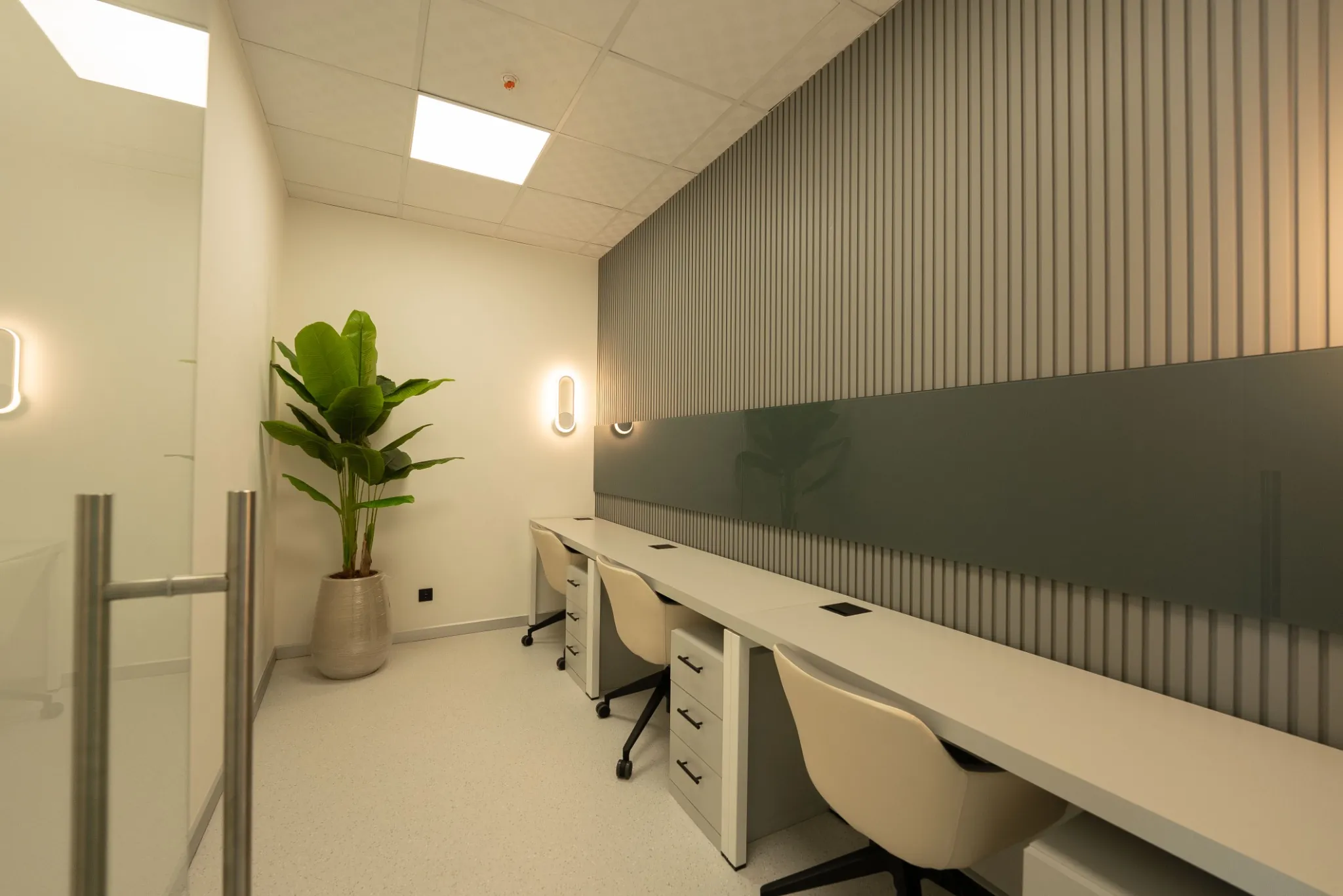
A desk-based business may be able to use a suitable virtual, shared or serviced-office model. A restaurant, clinic, workshop, warehouse, factory or other premises-dependent activity can require a site that meets different operational and licensing conditions.
Use the registered business address guide for address-model decisions. Treat operating-premises suitability as a separate check.
2. Measure Customer Access in Real Travel Time
Do not choose a city or district only from a map. Measure how often the team must reach customers, partners, airports, ports, public authorities or project sites and calculate door-to-door travel time.
- How many in-person meetings are realistically required each month?
- Where are the decision-makers rather than just the customer’s registered office?
- Does the business depend on same-day delivery or field service?
- Would a cheaper location create recurring travel cost and lost time?
3. Test Talent Before Signing a Lease
City-level population statistics do not prove that the exact roles you need are available. Run a small recruiting test using real job descriptions, language requirements, seniority and compensation ranges.
For office-based teams, commute catchment can matter as much as the city itself. A technically central location may still be difficult to recruit for if daily access is poor for the target workforce.
4. Validate Suppliers and Logistics by Transaction Flow
For trade, manufacturing, food, e-commerce or other goods-based models, map the actual product flow:
- Where do inputs originate?
- Which port, airport or border route is used?
- Where will customs, inspection or warehousing occur?
- Where are the main customers?
- What happens when the preferred route is delayed?
Port proximity alone does not guarantee lower landed cost. Include terminal, waiting, inland freight, storage, inventory and disruption costs.
5. Verify the Exact Premises Before Paying for Fit-Out
A city can be suitable while a specific building is not. Before making an irreversible property commitment, confirm the right-to-use documentation and the rules that apply to the activity and site.
Depending on the case, review zoning/use, building characteristics, fire/accessibility requirements, environmental or health conditions, municipal workplace-opening requirements and any sector-specific premises rules. A previous tenant’s use or old licence is useful evidence but does not by itself prove that the new operator, current activity and current premises configuration will be accepted. Before an unconditional lease or major fit-out, confirm the present activity classification and site-specific checklist with the competent authority and qualified technical/professional advisers where required.
For the general workplace-licence layer, use Workplace Opening License in Turkey.
6. Compare Total Cost, Not Headline Rent
| Cost layer |
Examples |
| Occupancy |
Rent, deposit, service charge, fit-out, furniture |
| People |
Payroll, recruitment friction, staff transport |
| Logistics |
Freight, courier, warehousing, customer travel |
| Compliance |
Premises upgrades, licences, inspections, specialist requirements |
| Operations |
Utilities, internet, security, insurance, maintenance |
| Time |
Founder/team travel and operational delay |
A lower rent can be a false saving if the site increases recruitment, freight, customer-access or compliance cost.
7. Check Whether a Special Investment Zone Actually Fits
Technology Development Zones, Organized Industrial Zones, Free Zones and Industry Zones serve different activities and have different admission, location and compliance frameworks. Do not select a zone only because an incentive headline looks attractive.
First confirm the planned activity, project, site and eligibility. For free-zone operating requirements, use the Turkey Free Zone Company Setup guide.
8. Run a Location Downside Case
Before choosing, test what happens if:
- the largest customer is lost;
- a key supplier changes;
- freight or commuting becomes more expensive;
- the team doubles in size;
- the activity needs a more specialised premises;
- the business must serve a second region;
- the lease cannot be exited on the expected schedule.
A resilient location should remain workable under more than one optimistic scenario.
9. Separate Site Requirements From Weighted Preferences
First identify the requirements that must be satisfied before the business can use a site: a supportable right of use, suitability for the intended activity and any necessary premises approvals. Treat an unresolved requirement as on hold, not as a low score that cheaper rent or a shorter commute can offset. This is a practical decision method, not an additional statutory approval process.
For sites that pass those checks, agree the relative importance of customer access, recruitment, logistics, cost and flexibility before scoring them. Compare the same headcount and planning period, retain the evidence behind each score and distinguish an untested assumption from a verified disadvantage. A high total should explain the choice, not hide a critical gap.
The factors below support that comparison. Once a site is shortlisted, use the commercial lease review guide for permitted use, financial commitments, handover and exit terms; a location scorecard does not replace review of the proposed contract.
| Factor |
Suggested evidence |
| Customer access |
Named accounts, meeting frequency, delivery/service radius |
| Talent |
Applicant pool, compensation, commute |
| Logistics |
Quotes and actual route times |
| Premises suitability |
Site/legal/technical checks |
| Total cost |
Comparable 12-month cost model |
| Scalability |
Expansion options and lease flexibility |
| Resilience |
Alternative suppliers/routes/work locations |
10. Choose the City Only After the Business Model Is Clear
Once the evidence criteria are defined, compare cities using the dedicated Best Cities in Turkey to Start a Business guide. That page covers Istanbul, Ankara, Izmir, Bursa, Kocaeli, Antalya, Mersin and Eskişehir by operating model.
If the investment thesis itself is still open, use Invest in Turkey: 2026 Foreign Investor Decision Guide first.
How Workon Supports Location and Setup Execution
Workon can coordinate company formation, registered-address and workspace options, bank-application preparation and operational handoffs after the business model and location needs are defined. Where the location decision requires real-estate, legal, tax, licensing or technical professional judgement, Workon can coordinate the appropriately qualified or licensed professional and keep that work aligned with the wider company-setup and operating plan.
Official Reference Points
Treat location as an evidence exercise. Compare customer access, talent, suppliers, logistics, premises suitability, licences, total operating cost and business-continuity risks using the actual operating model rather than city popularity or headline rent.
No. A Turkish company needs a registered address, but staff, customers, stock or regulated activity can operate at a different site. A desk-based business may suit a virtual or serviced-office model, while restaurants, clinics, warehouses, workshops or factories can require activity-specific premises.
No. Compare the full occupancy and operating cost, including deposits, fit-out, utilities, staff transport, recruitment friction, freight, customer travel, compliance upgrades, insurance and the time cost of a poor location.
Verify the right to use the premises and whether the exact site can lawfully support the intended activity. Depending on the business, review zoning or use, building characteristics, fire and accessibility requirements, municipal workplace licensing and sector-specific premises conditions. A previous tenant’s use or old licence does not by itself prove that the new operator, current activity and current premises configuration will be accepted.
No. Each investment zone has its own activity, admission, location and compliance rules. An incentive should not be built into the location decision until the company, project, site and expenditure are confirmed eligible under the current programme.
Run downside scenarios such as losing a major customer, changing suppliers, higher freight or commuting costs, team growth, a need for specialised premises, a second-region expansion or a slower lease exit. A strong location should remain workable under more than one optimistic scenario.
Current-rule note: Last reviewed 17 September 2026. Site suitability, zoning/use, licences, rents, infrastructure and activity requirements vary by project and location. Verify the exact premises and current rules before an unconditional lease, property purchase, major fit-out or launch; Workon can coordinate the relevant location, setup and licensed-professional workstreams around the operating model.